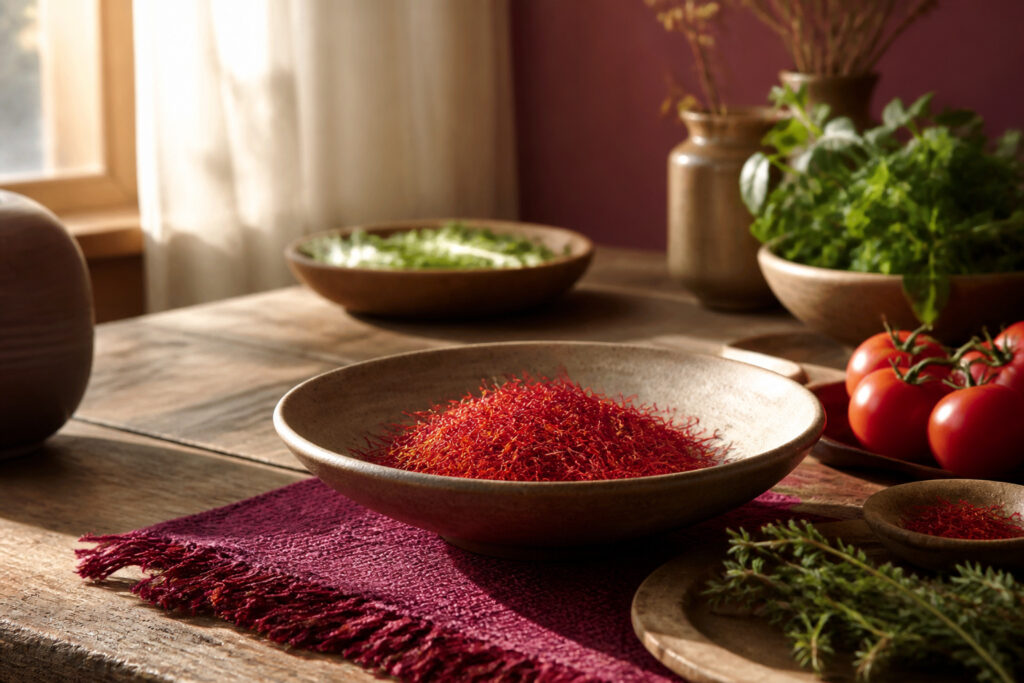
Saffron is the dried stigma of the Crocus sativus flower, a spice so labor-intensive to harvest that 75,000 flowers yield a single pound and retail prices run from $500 to $5,000 per pound.
That cost keeps most health claims confined to laboratories and small human trials rather than large clinical studies, though the research that does exist points to measurable effects on mood, memory, inflammation, and sleep at doses around 30 mg daily.
Antioxidant Properties
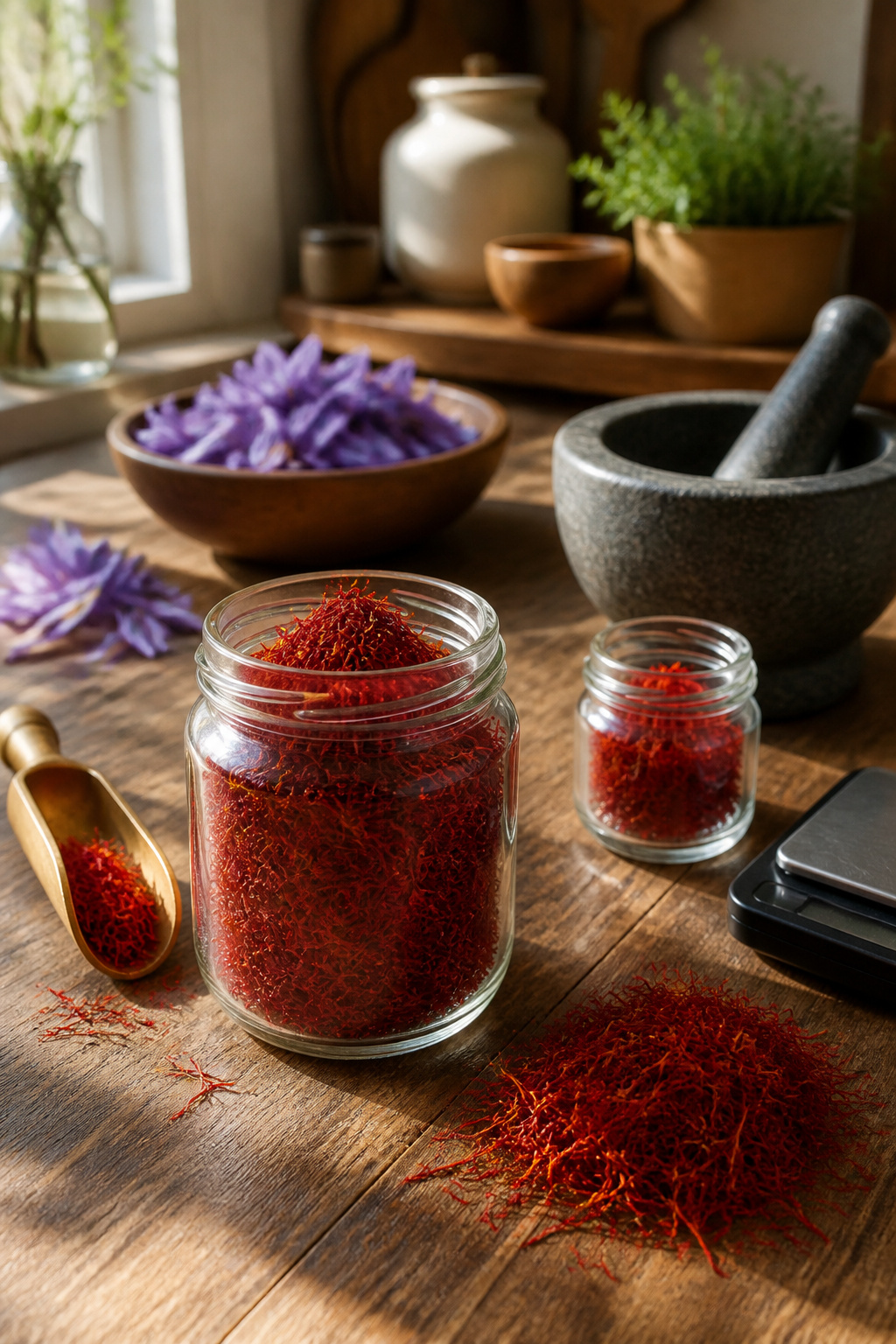
Saffron owes its deep red color and much of its value to crocin, the antioxidant compound that sits at the center of most lab research on this spice.
Crocetin and safranal round out the trio of bioactive molecules that give saffron its protective properties against oxidative stress, the cellular wear caused by free radicals.
That damage is what researchers link to chronic conditions including heart disease and cancer, so the antioxidant load here matters.
The catch is scale. About 75,000 crocus flowers go into a single pound of saffron, all hand-harvested from the thread-like stigmas, which explains why retail prices run anywhere from $500 to $5,000 per pound.
At that cost, most cooks use saffron in pinches, not spoonfuls, and the health studies are still largely confined to petri dishes and animal models rather than human trials.
Lab work has shown saffron compounds selectively targeting cancer cells while sparing healthy ones, and crocin in particular may increase cancer cells’ sensitivity to chemotherapy drugs.
Whether those effects hold at dietary doses is the question that keeps the research going.
Mood Enhancement and Depression Relief
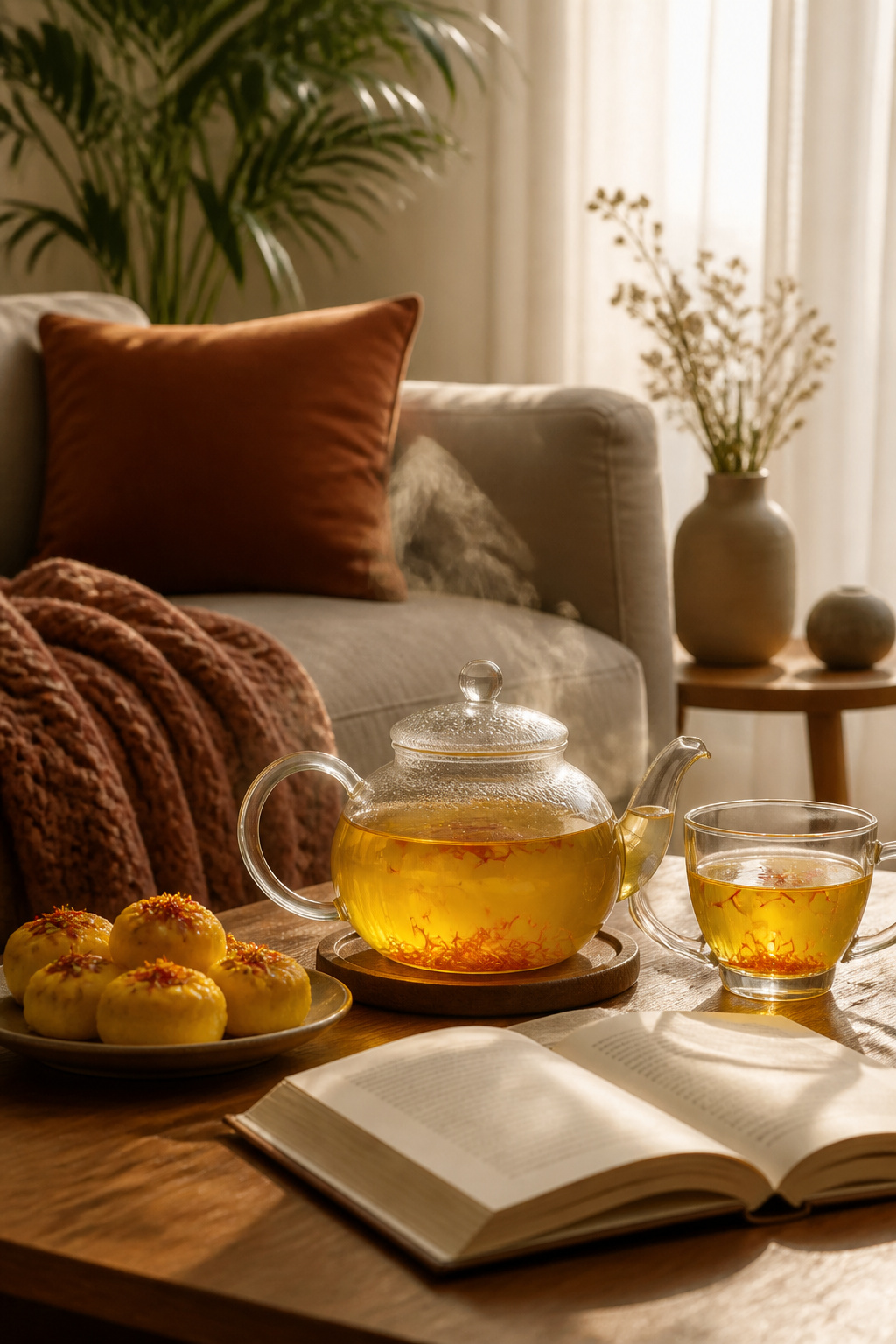
The sunshine spice nickname holds up better than most marketing claims.
A 2019 review found saffron significantly outperformed placebo for mild to moderate depression, and ten separate trials matched it against fluoxetine, sertraline, citalopram, and imipramine with no statistical difference in results.
The side effect profile favors saffron, with fewer people reporting the appetite changes, dry mouth, or drowsiness common to standard prescriptions. Most studies used 30 mg daily of stigma extract, typically for 4 to 12 weeks.
What convinced me, reading through the research, was the consistency across nearly two dozen human trials.
The active components, crocin and safranal, appear to modulate serotonin and dopamine through a different mechanism than pharmaceuticals, which may explain why users describe the lift as steadier rather than flattened.
Canadian guidelines still stop short of recommending saffron as first-line treatment, citing the small sample sizes and the fact that most trials originated in Iran and India.
For someone already managing depression with medication, whether saffron works as an add-on remains an open question.
Anti-Inflammatory Effects
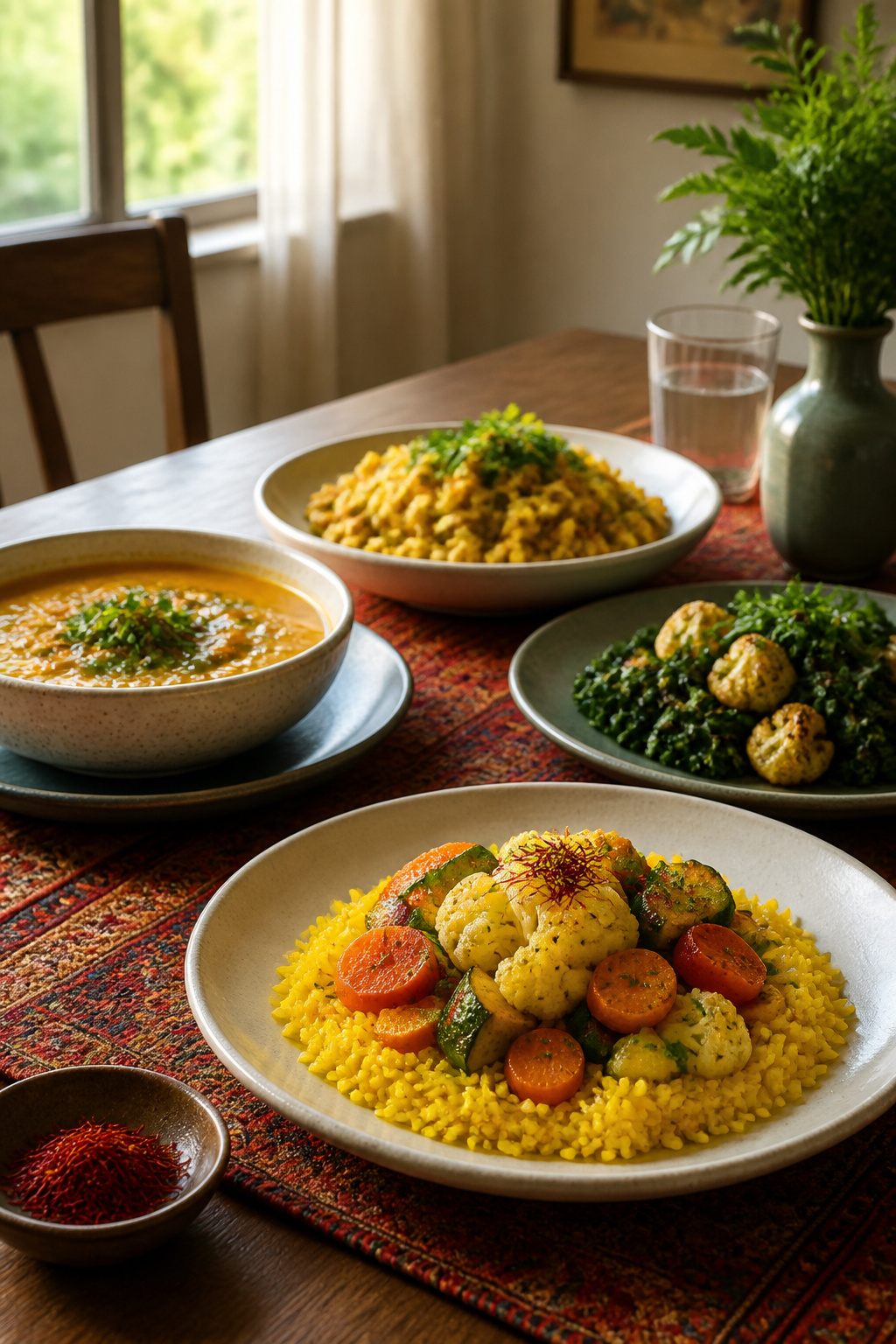
Crocin, the carotenoid that gives saffron its deep red color, actively lowers proinflammatory markers in the body. That mechanism is what makes the spice worth attention for anyone managing joint pain or stiffness from osteoarthritis or rheumatoid arthritis.
The same compound contributes to broader immune and antimicrobial effects, though the human research is still early.
Most of what we know about saffron’s anti-inflammatory impact comes from laboratory studies rather than large clinical trials, so the evidence is promising but not settled.
For now, the practical read is this: saffron may help calm systemic inflammation, but it sits alongside proven treatments rather than replacing them.
If you are already working with a doctor on an autoimmune condition or chronic joint issues, adding saffron to the conversation makes sense, especially given its long history of traditional use for pain and fever.
Cognitive Function and Memory

Saffron extract at 30 mg per day has shown measurable improvement in cognitive function for people with mild to moderate Alzheimer’s disease, with effects comparable to standard cognition-enhancing medications in some studies.
The active compounds, crocin and crocetin, appear to work through antioxidant and anti-inflammatory pathways while also inhibiting beta-amyloid accumulation, the protein fragment tied to Alzheimer’s progression.
Healthy adults may see benefits too. Short-term memory and concentration have both responded to saffron supplementation in trials on people without diagnosed impairment, though results for long-term memory have been less consistent.
According to studies on the effectiveness of saffron to treat depression, PMS, and Alzheimer’s disease, the dose of saffron is 20 milligrams (mg).
— WebMD
That 20 mg figure sits slightly below the 30 mg threshold where cognitive benefits have been most clearly documented, so anyone shopping for brain support should check the label carefully.
Stores typically package saffron in 30 mg amounts, which aligns well with the Alzheimer’s studies and makes dosing straightforward without extra measuring.
Heart Health Benefits
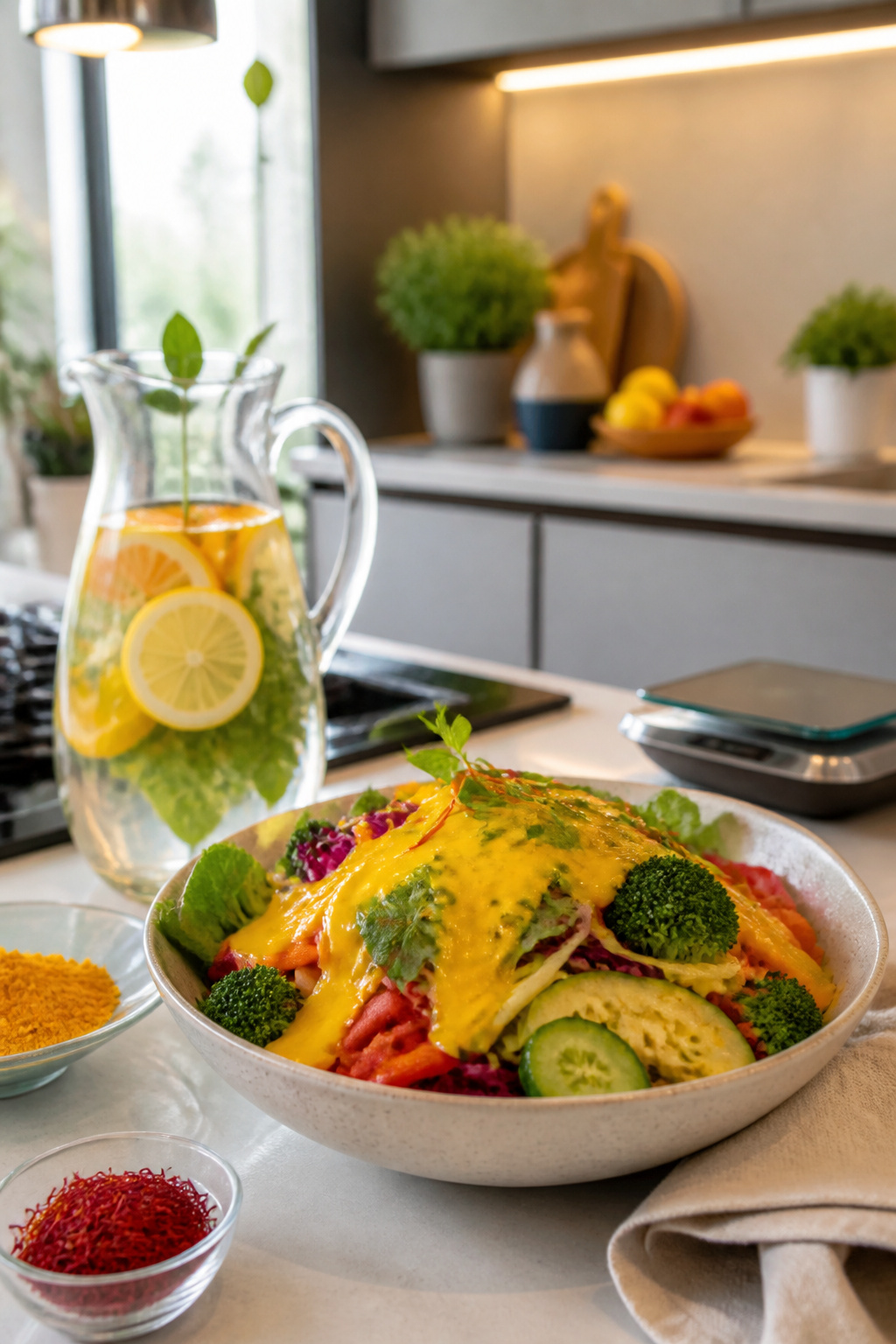
Saffron’s effect on cholesterol is what caught my attention first. Crocin, the pigment that gives the threads their deep red color, appears to lower LDL cholesterol, total cholesterol, and triglyceride levels.
That matters because clogged blood vessels remain the single largest cause of death in America, and anything that keeps arteries clear is worth a second look.
The circulation side is equally specific. Saffron contains potassium, which helps dilate blood vessels and improve blood flow, plus kaempferol, a flavonoid that may reduce coronary heart disease risk.
A 2022 clinical trial found that saffron improved quality of life for patients with already-clogged vessels, suggesting the benefits extend past prevention into management.
A 2.2 cm average reduction in waist circumference showed up in pooled analyses of people who took saffron regularly for 8 to 12 weeks, mostly those with metabolic issues or excess weight.
That waist measurement matters for heart health because abdominal fat and cardiovascular risk tend to travel together.
The catch is the same one that keeps me from stocking up by the pound. Research on saffron and heart health is still early stage; the findings are promising but not yet sufficient for clear medical claims.
For now, saffron sits in the category of sensible adjunct, not replacement for whatever your doctor has already prescribed.
Premenstrual Syndrome Relief
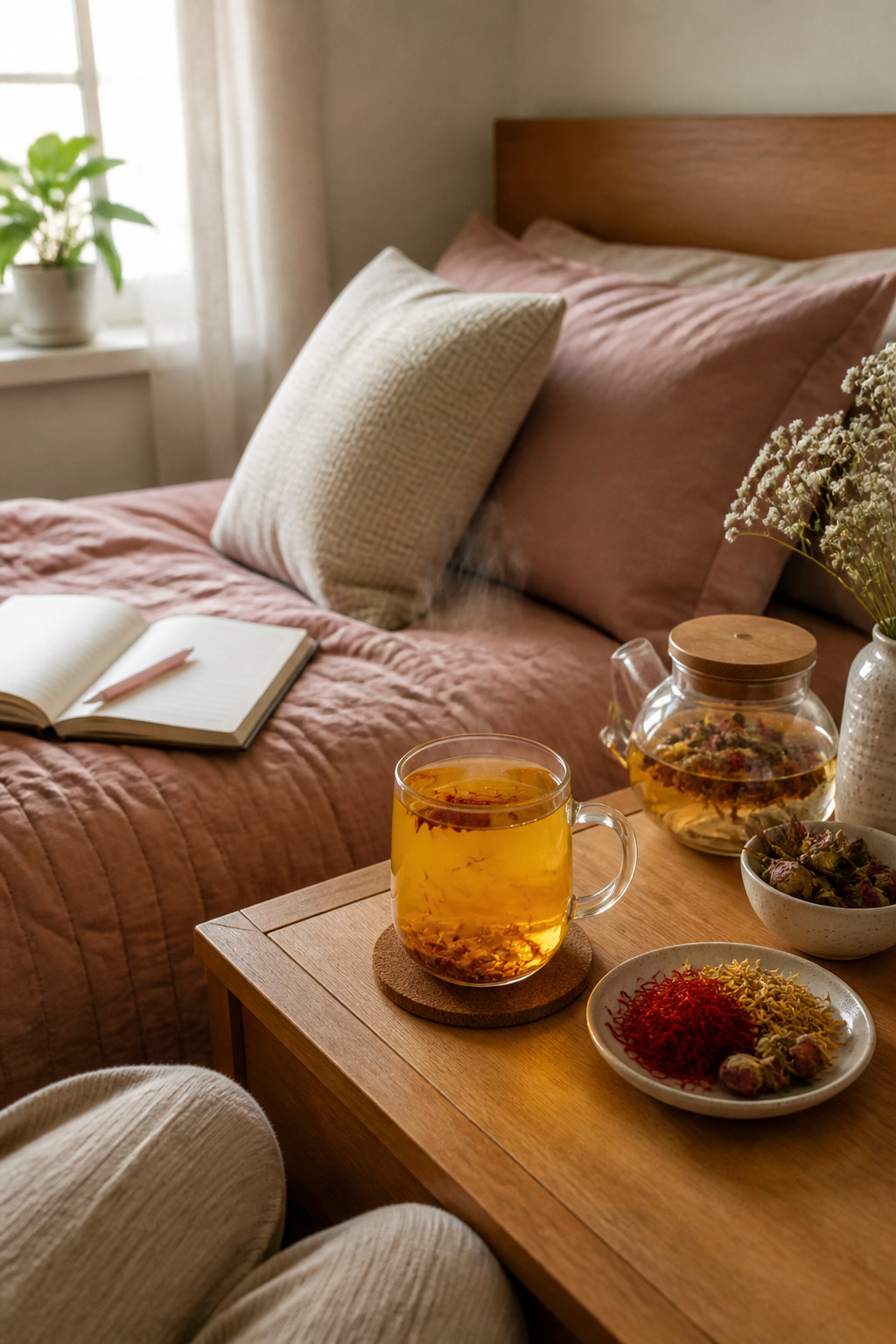
Saffron’s effect on premenstrual syndrome is one of the better-documented uses in recent literature.
60% of women taking saffron supplements reported a 50% or higher reduction across 17 PMS-related symptoms, covering both the mood swings and the physical discomfort that make the week before a period so difficult.
The symptoms that improved ran the usual range: pelvic pain, bloating, cramping, tender breasts, irritability, and the depressive dip that can feel like it arrives on schedule.
Saffron’s active constituents appear to act on the same neurological pathways targeted by standard antidepressants, which may explain why the emotional symptoms respond as well as the physical ones.
For women who prefer to avoid pharmaceutical treatments, this puts saffron in a useful position.
The Cleveland Clinic notes that PMS severe enough to interfere with daily activities warrants a conversation with a provider, but saffron could relieve some of the emotional symptoms alongside whatever approach you choose.
Potential Anticancer Properties
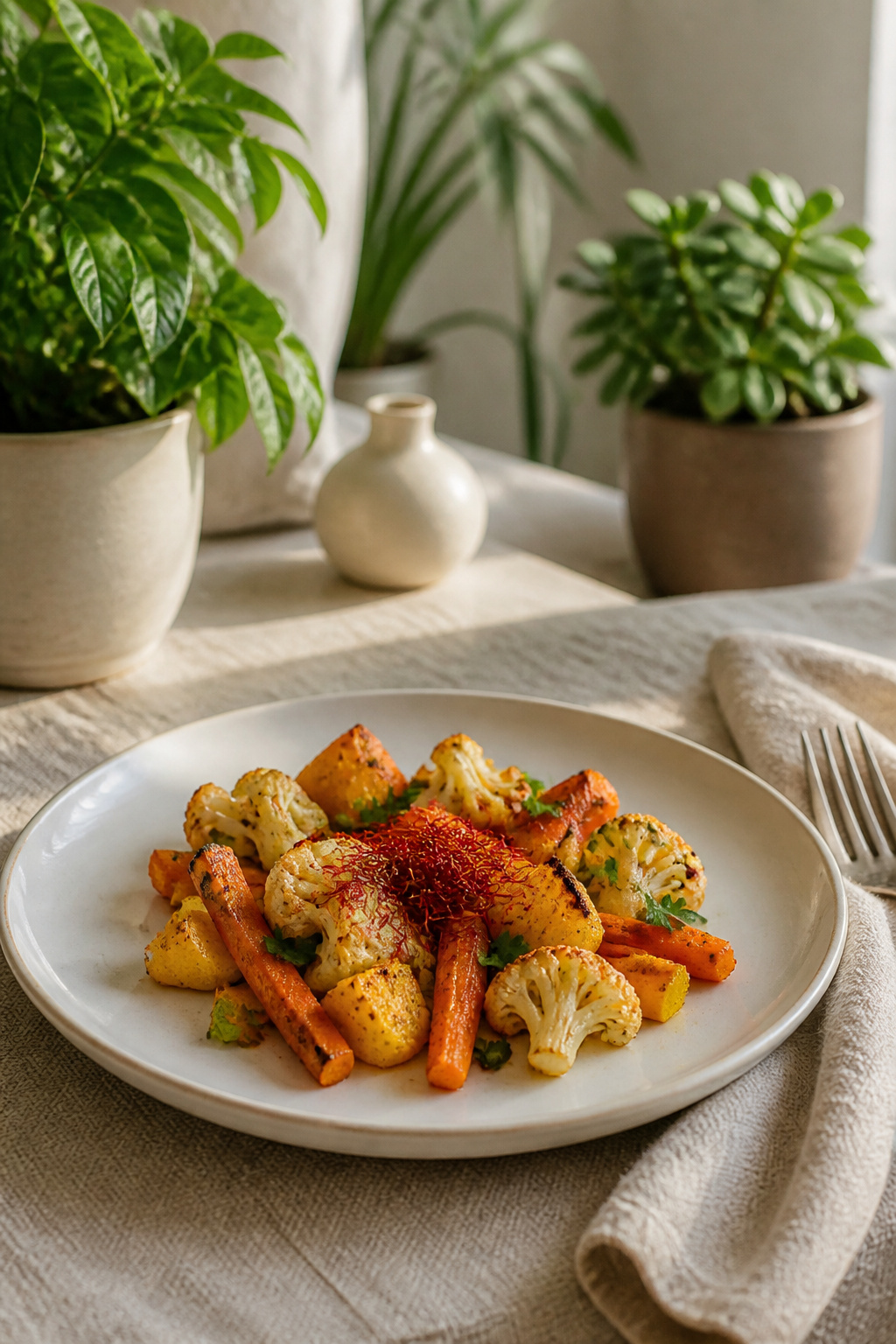
The anticancer angle on saffron is where the research gets most interesting and where I have to be the most careful not to oversell it.
Antioxidants in the threads, crocin especially, have shown in laboratory work that they can selectively kill cancer cells or suppress tumor growth while leaving healthy cells unharmed.
That selectivity matters; a lot of plant compounds destroy indiscriminately, and saffron’s apparent precision is what keeps researchers running tests.
A 2020 review tied this effect to several cancer types, and there’s an added wrinkle: crocin may make cancer cells more sensitive to chemotherapy drugs.
The catch, and it’s a significant one, is that no large-scale clinical trials have moved this from petri dishes to actual human patients. What works in a lab often collapses in a body, and saffron hasn’t cleared that hurdle yet.
For now, the practical read is that saffron’s antioxidant and anti-inflammatory properties may reduce cancer risk if you’re already vulnerable to oxidative stress or chronic inflammation.
That is not the same as treating cancer, and anyone selling it as such is running ahead of the evidence. The research is emerging, promising, and still mostly happening in laboratories rather than in people.
Weight Management and Appetite Suppression
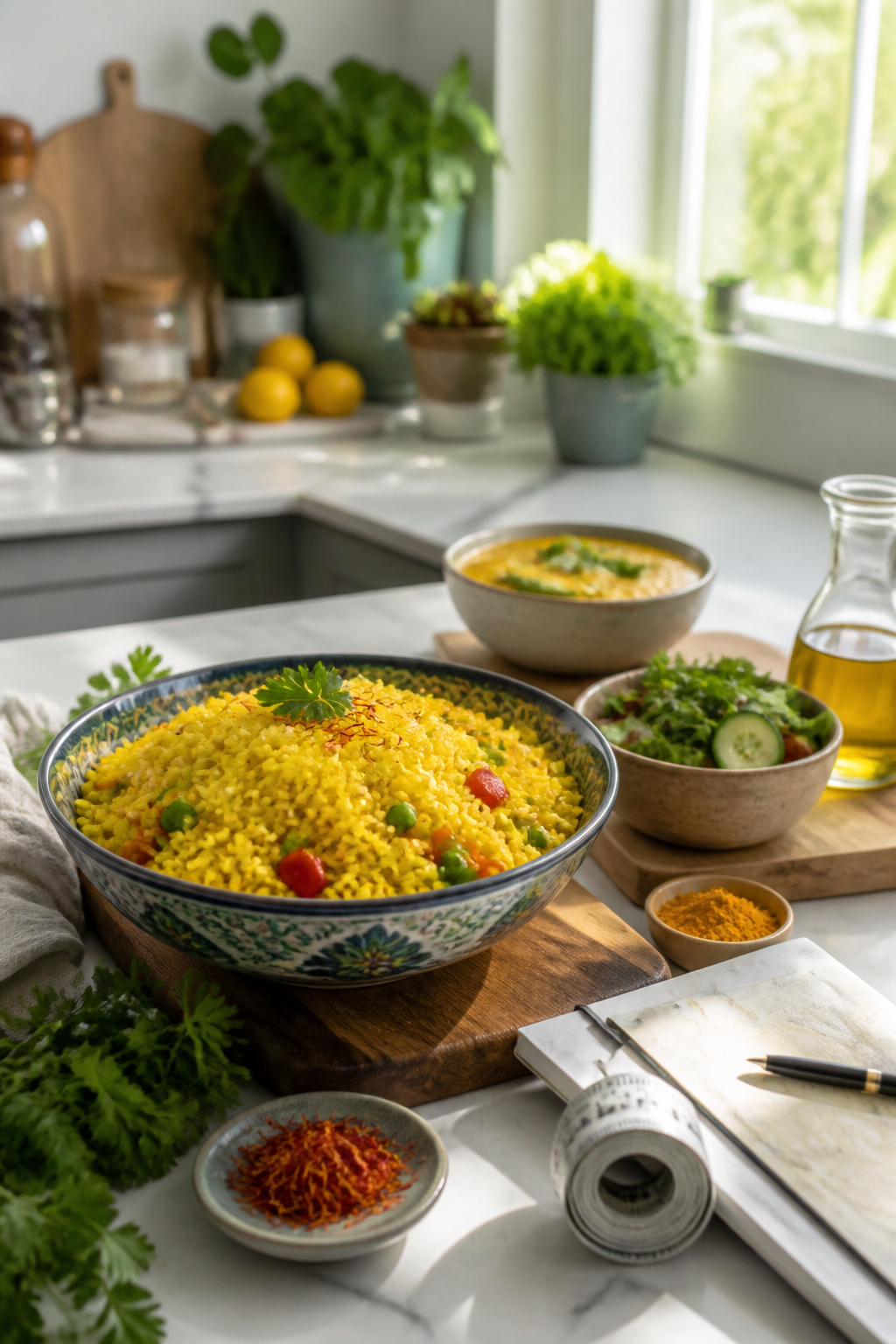
A 2023 study found that taking 60 mg of saffron per day for 12 weeks reduced BMI, waist circumference, and weight more than a placebo did. Researchers also saw improved HDL cholesterol and lower triglycerides.
An earlier 2017 study on saffron extract showed similar results over 8 weeks: less appetite, smaller waistlines, and lower total fat mass.
The mechanism seems to run through serotonin. Higher serotonin levels curb the emotional eating that trips up most diets, and saffron’s antioxidant activity may improve metabolism and fat oxidation.
Some research also points to better insulin and glucose handling, plus reduced cortisol, which means less stress-driven weight gain.
Saffron is not a standalone solution. The evidence is clearest when it supports, not replaces, a balanced diet.
For practical use, the 60 mg daily dose from the 2023 study is the figure to work with, whether from supplements or a strong saffron tea.
A pooled analysis of nine studies with 595 participants found an average waist reduction of 2.2 cm over 8–12 weeks, which is modest but real.
The honest limit: the studies are small, and the effect is gentle. Saffron helps most with the snacking and cravings that undermine otherwise solid eating habits, not with dramatic weight drops.
Eye Health Improvement
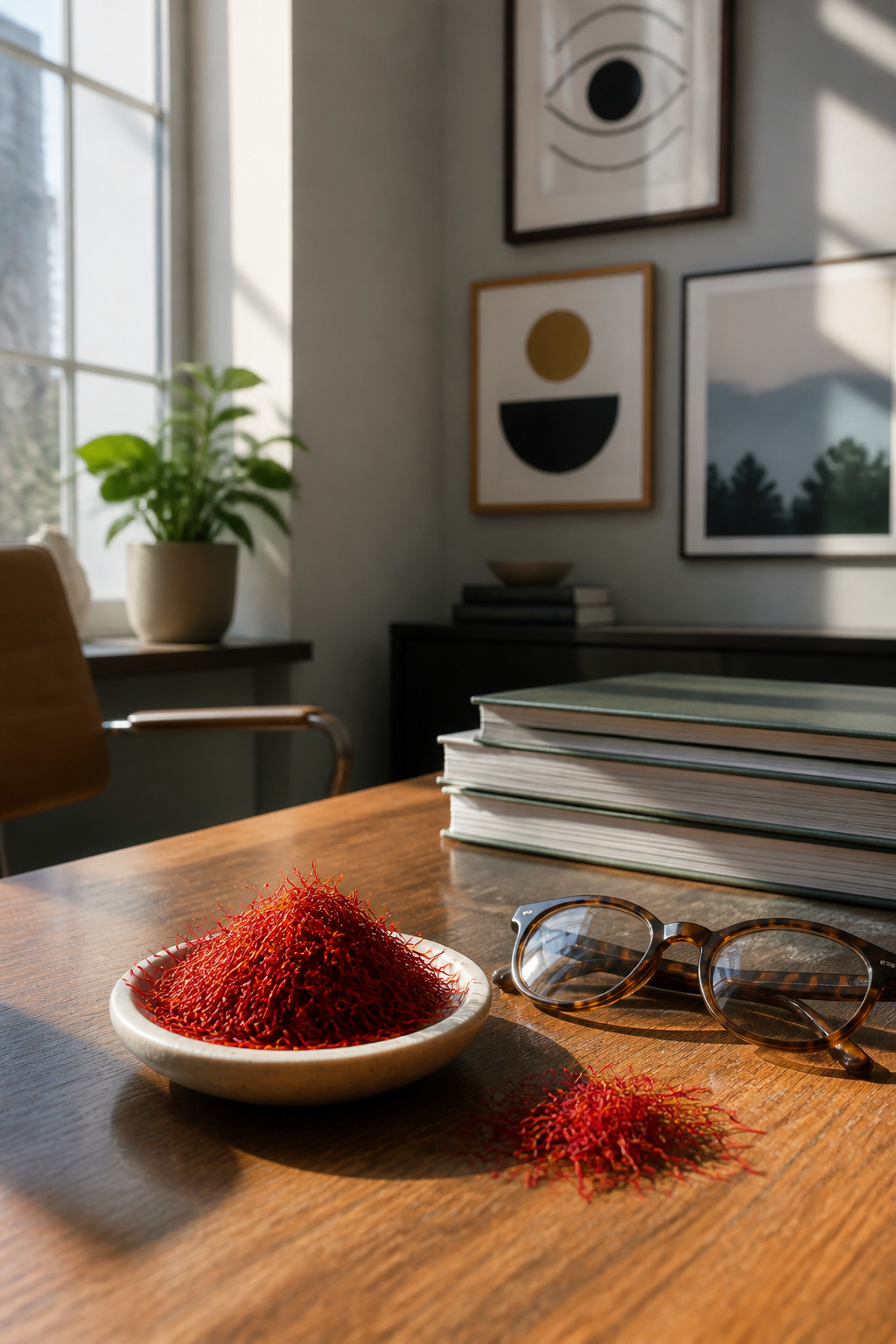
The carotenoids in saffron, crocin and crocetin, appear to shield retinal cells from oxidative stress and may help restore cells already damaged by age-related macular degeneration.
Up to 20 million Americans live with visual impairments, and for those in early-stage AMD, saffron has shown promise in improving visual acuity and light sensitivity.
The mechanism seems to involve both its antioxidant properties and improved blood flow to the retina, which supports the photoreceptors that process what you actually see.
Light-induced damage to those photoreceptors is another area where saffron’s protective effects have been studied, suggesting value beyond just slowing degeneration.
For anyone monitoring their vision as they age, adding saffron to the routine is a low-effort option with some research behind it, though it should sit alongside regular eye exams rather than replace them.
Sexual Health Enhancement
Saffron’s reputation as an aphrodisiac tends to get buried under flashier headlines about mood and memory, but the research on sexual function is specific enough to be worth a closer look.
The strongest signal shows up in people already taking antidepressants, where the medication has dulled libido or performance.
For men, a 2018 review of six studies found that saffron improved erectile function, sexual desire, and overall satisfaction, though it did not change semen characteristics.
For women with low desire linked to antidepressant use, a 2012 study used 30 mg of saffron daily for four weeks and measured reduced pain during sex, increased desire, and better lubrication compared with placebo.
Those are concrete endpoints, not just "feeling more interested."
The mechanism is not fully mapped, but saffron’s serotonin modulation likely plays a role, overlapping with how it affects mood.
That connection makes sense: antidepressants that blunt sexual response often do so through serotonin pathways, and saffron seems to nudge those same pathways differently.
If you are already on an SSRI and the side effects have hit your sex life, saffron is one of the few supplements with trial data behind it for this exact situation.
It is not a guaranteed fix, and 30 mg is not a casual kitchen pinch, but the dose and timeframe are at least established rather than guessed.
How to Take Saffron Safely
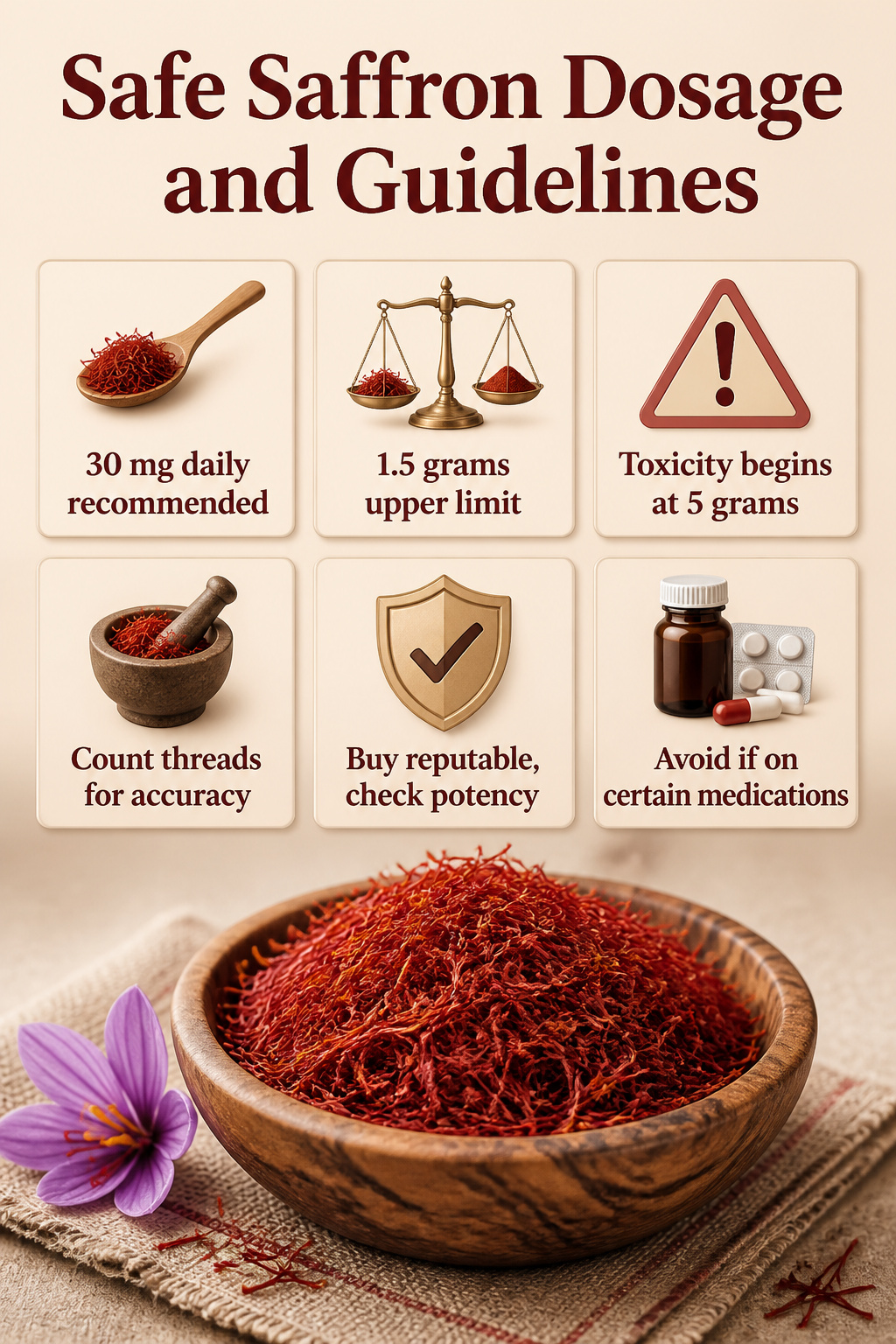
Most clinical studies on saffron’s health benefits use 30 mg daily, roughly thirteen whole stigma threads. That amount sits well below the established safe ceiling of 1.5 grams per day, or about three-quarters of a teaspoon of ground saffron.
Toxicity becomes a real concern only at 5 grams or above, where nausea, severe stomach distress, and extreme drowsiness have been reported. Twenty grams may be lethal, though reaching that quantity would take deliberate effort.
The form you choose matters for tracking dosage accurately. Whole threads let you count what you use; saffron powder or supplements can be adulterated with turmeric, paprika, beetroot, or dyed silk fibers.
If the price looks too low, the product probably is too.
I would buy from a reputable source and check whether the supplement lists extract potency, since concentrated forms vary in strength and high-potency extracts carry more risk of pushing toward that 1.5-gram threshold without meaning to.
Pregnant women, people on blood thinners or blood pressure medication, those with bipolar disorder, and anyone prone to stomach issues should skip saffron supplements entirely.
For everyone else, cooking with saffron in normal recipe amounts rarely causes problems; the risk sits in capsules and extracts, not in a pinch of threads steeped for rice or tea.
Sleep Quality
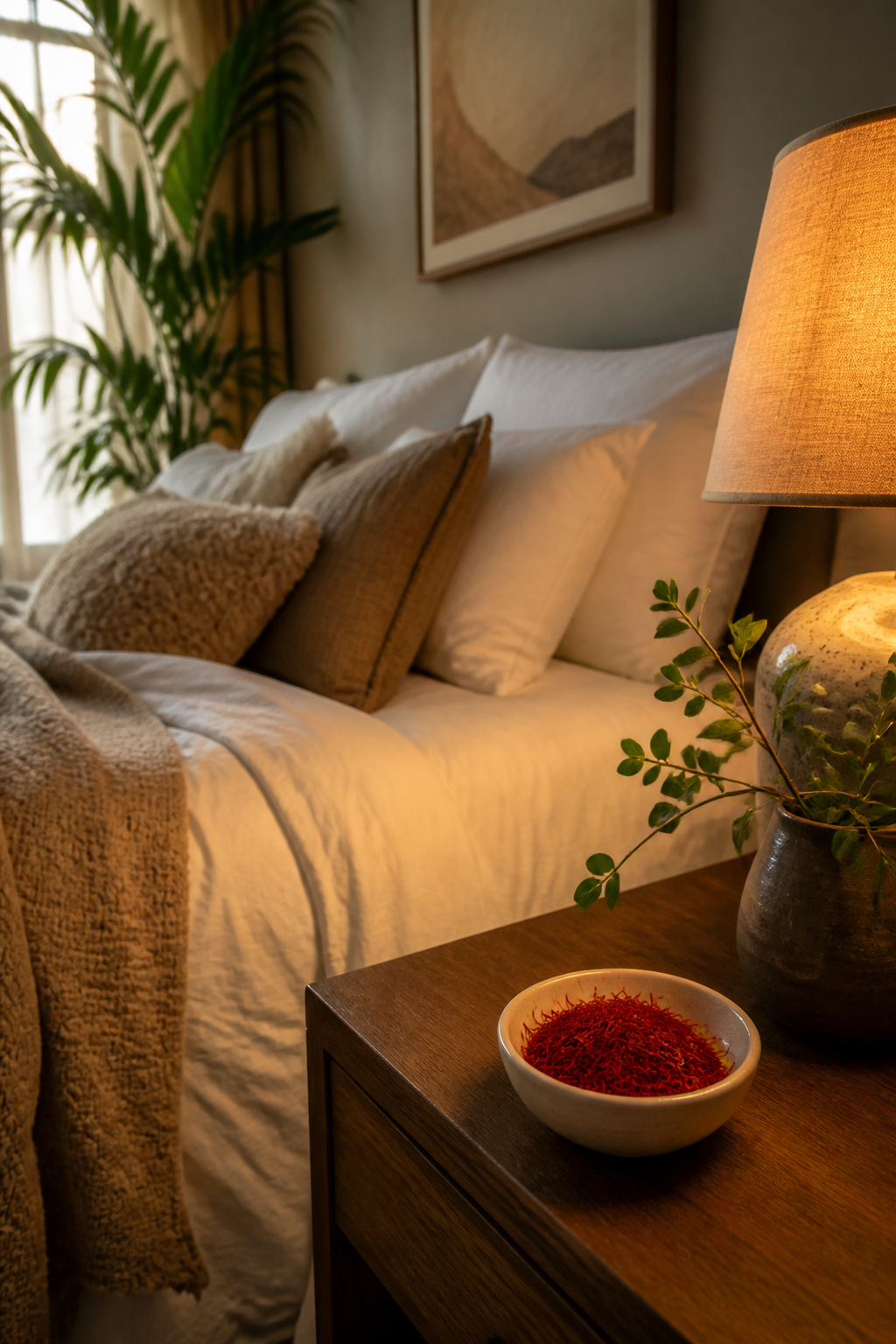
Sleep dysfunction raises the risk for a long list of health problems, and sleep quality matters as much as how many hours you clock. Saffron extract may help on both counts.
A 2021 clinical trial found it a safe way to improve sleep quality and sleep duration, helping people fall asleep faster and stay asleep through the night. The mechanism seems to run through saffron’s antioxidant compounds, which produce a hypnotic effect.
Some evidence also points to support for melatonin production in the evening plus a calming effect on serotonin when your mind refuses to settle.
The catch: early research is promising, but larger clinical trials are still needed to confirm how reliable this is and whether it holds up long term.
If you are already taking medications for sleep or mood, check with your clinician before adding saffron to the mix; "natural" does not mean consequence-free.
What Saffron Actually Is
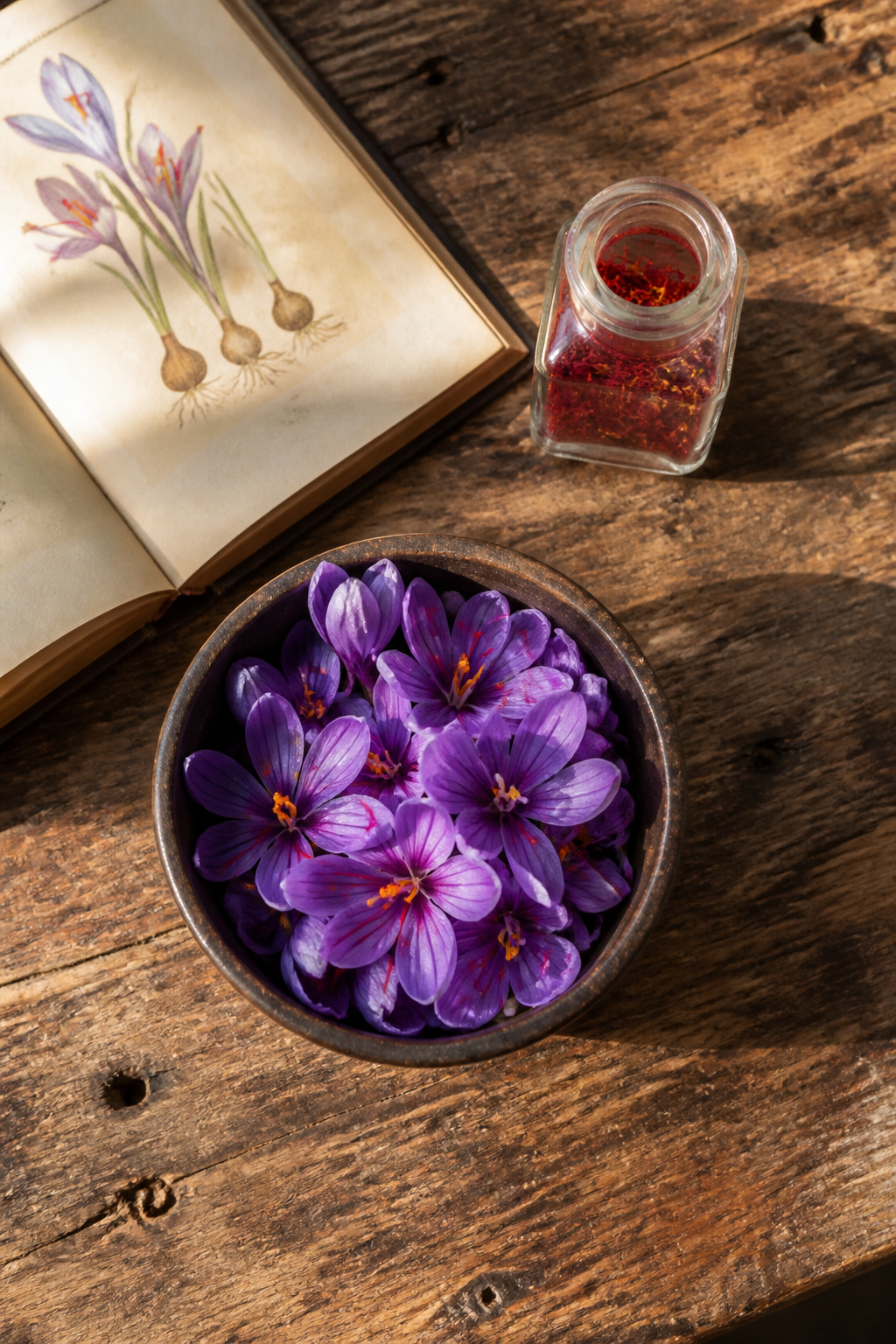
Saffron comes from the thread-like stigmas of the Crocus sativus flower, a fall-blooming crocus that opens for just two to three weeks each year.
Each flower carries only three of these bright red threads, which explains why 75,000 flowers yield a single pound of dried saffron and why the harvest is entirely manual work.
That labor shows up directly in price: a pound runs anywhere from $500 to $5,000 depending on grade and origin. Most of what reaches American kitchens today is grown in Iran, Spain, or Morocco, though India and Italy also produce smaller amounts.
The cost is why I treat saffron as a finishing spice rather than a base one, adding it near the end of cooking where its color and subtle honeyed flavor actually reach the plate.
Forms and Buying Tips
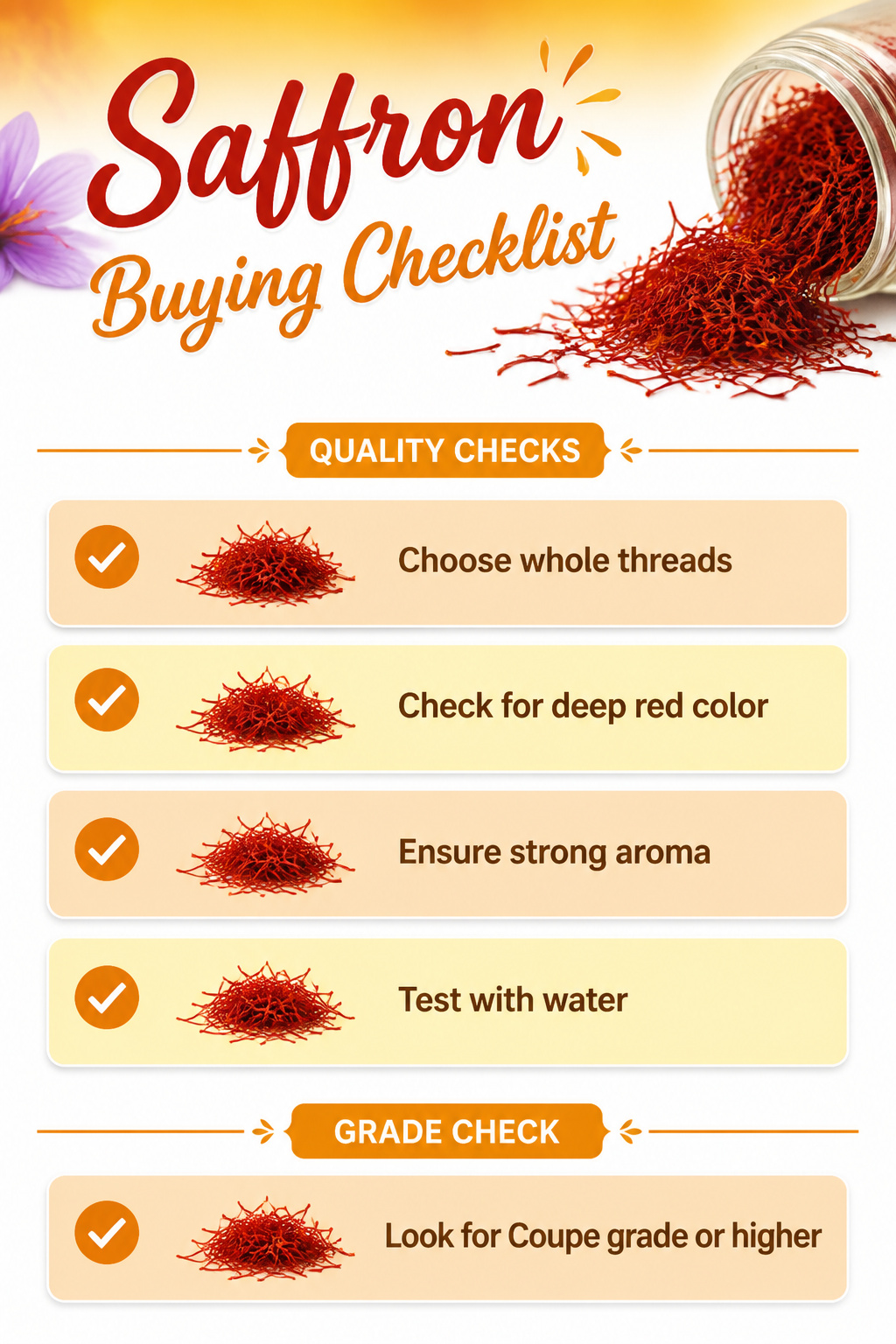
Saffron arrives in two main forms worth your money: whole threads and powder. The threads last longer and are harder to fake, so that is what I keep in my own kitchen.
Deep red threads with orange tips signal the real thing. Uniform color all the way down is a warning sign, as is weak or missing aroma.
Authentic saffron smells sweet and earthy; if you get nothing from the jar, leave it on the shelf. The water test still works: threads should release golden color slowly.
Instant, intense color means dye or adulteration.
For grades, Coupe (sometimes called La Mancha in Spain) sits at the top with the highest crocin concentration and the most vivid color. Sargol from Iran runs close behind, using only the red stigmas and none of the yellow style.
Mancha from Spain includes some yellow style and costs less, though it still carries potent fragrance and decent color.
I would skip anything below these three for health use; the potency drops fast, and you end up doubling the dose to get any effect.
Common Mistakes With Saffron
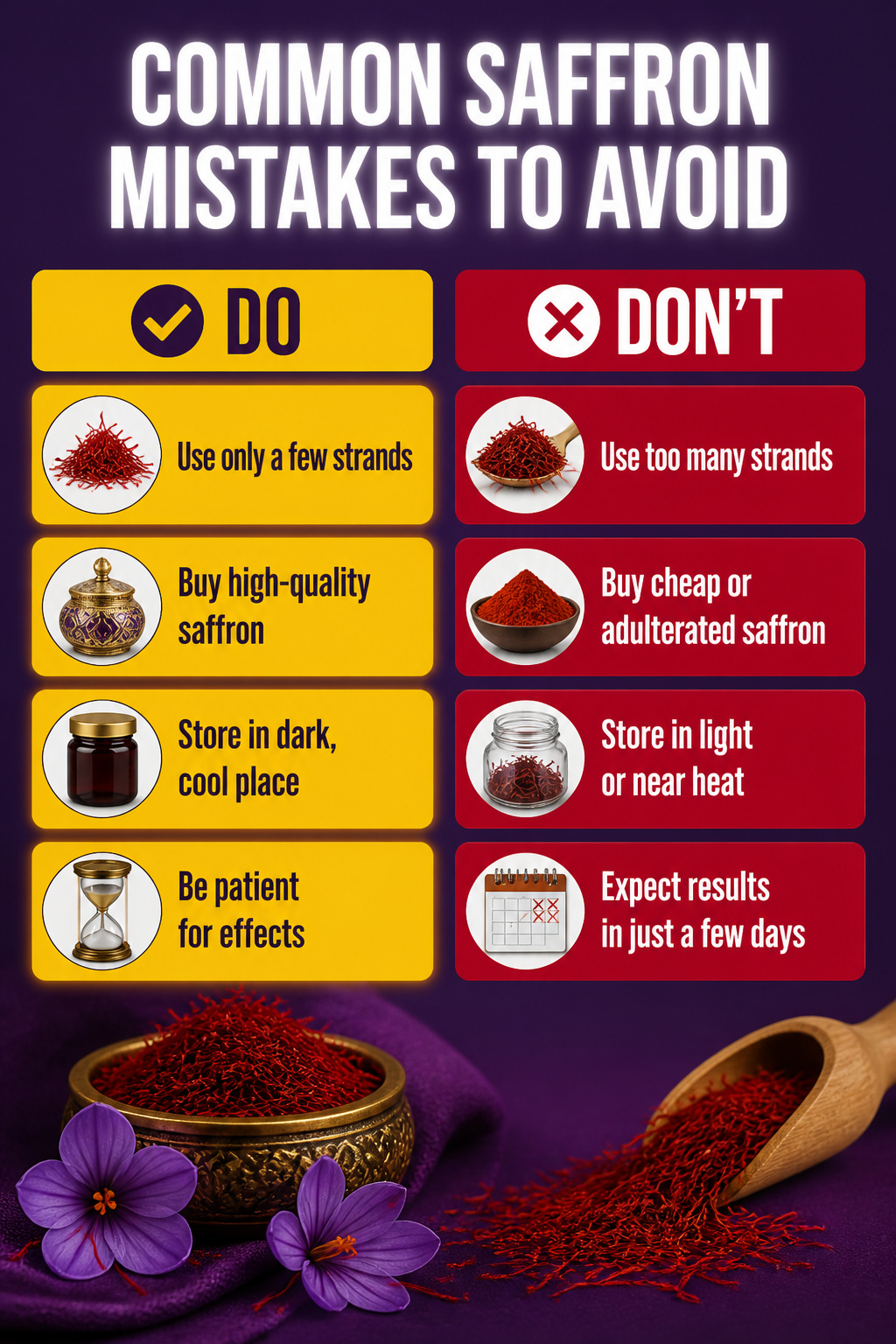
The first mistake most people make with saffron is treating it like a bargain.
A few strands are enough for a full pot of tea, yet the price, anywhere from $5 to $10 per gram for high-grade Persian or Afghan threads, pushes people to dump in extra out of guilt.
I have watched friends measure saffron like turmeric. The result is a metallic, overwhelming flavor that ruins the dish and wastes more money than restraint would have.
Buying the wrong product is the second trap. Saffron degrades quickly outside of food, and its high value makes adulteration common.
The FDA warns that expensive spices like saffron are often bulked up with non-spice plant material, beet, red-dyed silk fibers, turmeric, or paprika. Powdered saffron is especially risky.
If the price looks too cheap, the product probably is.
Storage gets ignored because the jar feels special. Light and air strip saffron of active compounds fast, yet it sits on open racks near the stove in most kitchens I visit.
Treat it like a supplement, not a display piece: airtight, dark, cool.
The last error is impatience. Saffron works slowly for mood or other health goals, and the amount needed for clinical effects is likely far more than cooking provides.
People buy a bottle, take it for four days, and declare it useless. If you want therapeutic doses, talk to a healthcare provider first, and commit to weeks, not weekends.
Frequently Asked Questions
What are the health benefits of saffron?
Saffron offers antioxidant protection, mood enhancement for mild to moderate depression, anti-inflammatory effects, cognitive support for Alzheimer’s and general memory, heart health benefits including cholesterol reduction, PMS relief, potential anticancer properties in lab studies, weight management through appetite suppression, eye health improvement for macular degeneration, better sleep quality, and sexual health enhancement particularly for those on antidepressants.
Most clinical benefits appear at 30 mg daily of stigma extract, though effects vary by condition and research stage.
How much saffron should I take daily?
Most studies showing health benefits use 30 mg daily, roughly thirteen whole stigma threads. That sits well below the safe ceiling of 1.5 grams per day, or about three-quarters of a teaspoon of ground saffron.
Toxicity becomes a real concern only at 5 grams or above, and 20 grams may be lethal.
Is saffron safe to consume?
Saffron is generally safe in normal cooking amounts and at supplement doses up to 30 mg daily. Pregnant women, people on blood thinners or blood pressure medication, those with bipolar disorder, and anyone prone to stomach issues should avoid supplements entirely.
The risk sits in capsules and extracts, not in a pinch of threads used for rice or tea.