
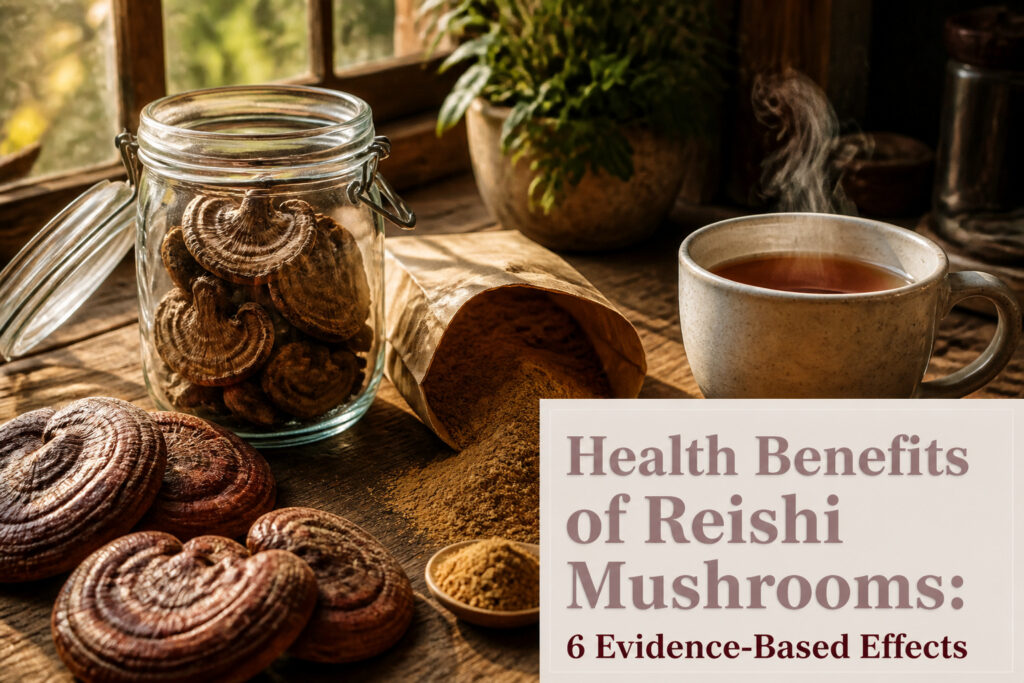
Reishi mushrooms are the woody, bitter fruiting body of Ganoderma lucidum, a fungus used in East Asian medicine for over two thousand years. Their health benefits depend heavily on which form you take and what condition you already have: extracted powders and capsules outperform whole dried mushrooms for bioavailability, and the strongest evidence exists for people managing illness rather than healthy adults seeking prevention. The same supplement that dropped liver enzymes by 42% in one fatty liver trial has also been linked to at least three cases of human liver injury, one fatal.
Immune System Support
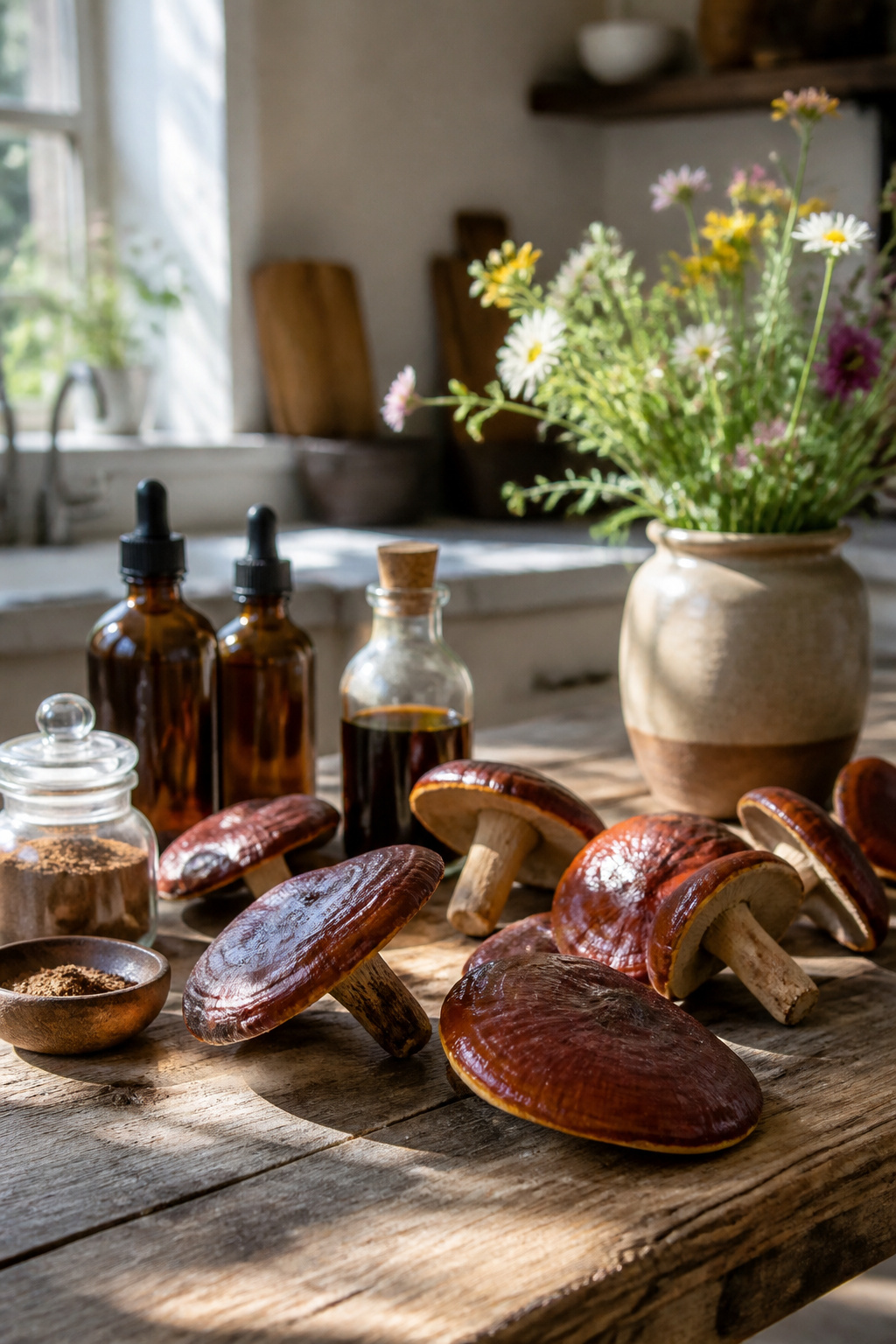
Beta-glucans and polysaccharides in reishi mushrooms are what actually do the immune work. These compounds, specifically the β-D-glucans found in Ganoderma lucidum, trigger activity in white blood cells and natural killer cells, the body’s frontline defense. The mushroom carries over 400 biologically active compounds, which gives it unusual breadth compared to most single-source supplements.
For two thousand years, traditional medicine in China, Japan, and Korea has used reishi as an immunostimulant. Modern studies have tracked improved immune response in advanced cancer patients taking polysaccharide extracts, with similar findings in colorectal cancer cases. The effect on healthy adults still needs more research, though the mechanism, stimulating lymphocyte function, is the same one that helps patients fight infection.
What convinced me, reading through the clinical summaries, was the consistency between the traditional use and the newer data. That doesn’t mean reishi replaces conventional treatment, but the immune-modulating activity is better documented than I expected for something that started as folk medicine.
Anti-Cancer Properties
Triterpenoids in reishi, particularly ganoderic acid T, have shown the ability to hinder cancer cell growth and replication in both test-tube and animal studies, essentially pushing those cells toward apoptosis. Beta glucans and other polysaccharides appear to activate natural killer cells and modulate immune signaling pathways that help the body recognize and respond to tumors.
For patients already undergoing conventional treatment, the mushroom may offer meaningful support rather than cure. Small clinical studies found that reishi extract taken at 1,800 mg three times daily improved immune markers like natural killer cell activity and interleukin-2 in people with advanced cancers, and a placebo-controlled lung cancer trial showed 65% of participants on that same dose reported better quality of life versus 14% on placebo. Other research suggests reishi can ease chemotherapy-induced nausea, enhance radiotherapy effectiveness, and increase sensitivity of ovarian cancer cells to cisplatin.
The evidence remains early-stage. Many promising studies were small, manufacturer-funded, or lacked control groups, and one trial noted a reishi extract had toxic effects on certain white blood cells. Reishi looks most useful as an adjunct to standard oncology care, with quality-of-life improvements being the most substantiated benefit so far.
Fatigue and Depression Relief

Adaptogenic mushrooms are not something I reached for until a few years ago, when afternoon slumps started lasting until evening. Reishi, in particular, has a reputation for steadying energy rather than spiking it. The mechanism is homeostasis: the mushroom appears to help regulate how the body processes stress, which in turn affects how tired you feel.
A double-blind placebo study on Ganoderma lucidum polysaccharide extract showed subjects reporting less fatigue, fewer aches, and less irritability overall. Another study followed participants taking 1,800 milligrams of reishi powder in capsule form three times daily; after eight weeks, they reported lower fatigue levels. In research specific to cancer patients, reishi spore powder improved fatigue and mental health in women with breast cancer on hormone therapy, while a broader 2024 study found reishi products reduced fatigue, anxiety, and depression in people with cancer. A separate polysaccharide extract also eased symptoms like weakness, sweating, and insomnia.
The evidence is strongest for people already managing illness or exhaustion, not necessarily for healthy adults looking for a boost. Studies in mice have shown decreased anxiety after reishi consumption, though the exact mechanism remains unclear. For my own use, I treat reishi as a support during high-stress stretches rather than a daily stimulant replacement.
Heart Health Effects

Reishi’s active compounds, polysaccharides and triterpenoids, carry antioxidant effects that may protect blood vessels against oxidative stress and plaque formation. In one study of people with high blood pressure or cholesterol, a reishi supplement containing 1.44 grams decreased triglycerides and increased HDL cholesterol compared to placebo. Other trials showed a slight decrease in total cholesterol, LDL cholesterol, and triglycerides after four weeks.
That said, the evidence is not consistent. At least one older study in healthy adults showed only a slight trend toward lower lipid levels that was not statistically significant. Reishi may lower blood pressure and cholesterol levels, but contradictory studies indicate it may not improve heart risk factors at all. More research is needed before anyone should count on reishi for cardiovascular protection.
If you already take blood pressure medication, reishi could push your pressure too low. The same concern applies to blood thinners, since reishi might slow clotting and increase bleeding risk. A conversation with your doctor comes first.
Blood Sugar Management
Some early trials on reishi for blood sugar looked promising, but the picture got murkier once larger studies rolled in. A 2004 trial in 71 people with type 2 diabetes found that 5,400 mg daily of a reishi extract called Ganopoly, split into three doses with meals, reduced HbA1c over three months compared to placebo. That is the marker doctors watch for long-term glucose control. Fasting glucose itself did not budge in that same study, which already hinted the effect was narrow.
Later work failed to back it up. A Cochrane review pooling five clinical trials, that 2004 study included, concluded reishi’s impact on blood glucose was unclear and did not support using it for cardiovascular risk in type 2 diabetes. Then a 16-week Australian study of 75 men and women with both type 2 diabetes and metabolic syndrome tested a 3,000 mg daily reishi formula, alone or paired with Cordyceps, against placebo. HbA1c, fasting glucose, cholesterol, triglycerides, waist circumference, and BMI all stayed flat. No benefit showed anywhere the researchers looked.
Animal studies still suggest certain reishi compounds may lower blood sugar, but human evidence is inconsistent at best. The HbA1c finding from 2004 sits out there, unreplicated, while the better-controlled trials since have come up empty.
Antioxidant Properties
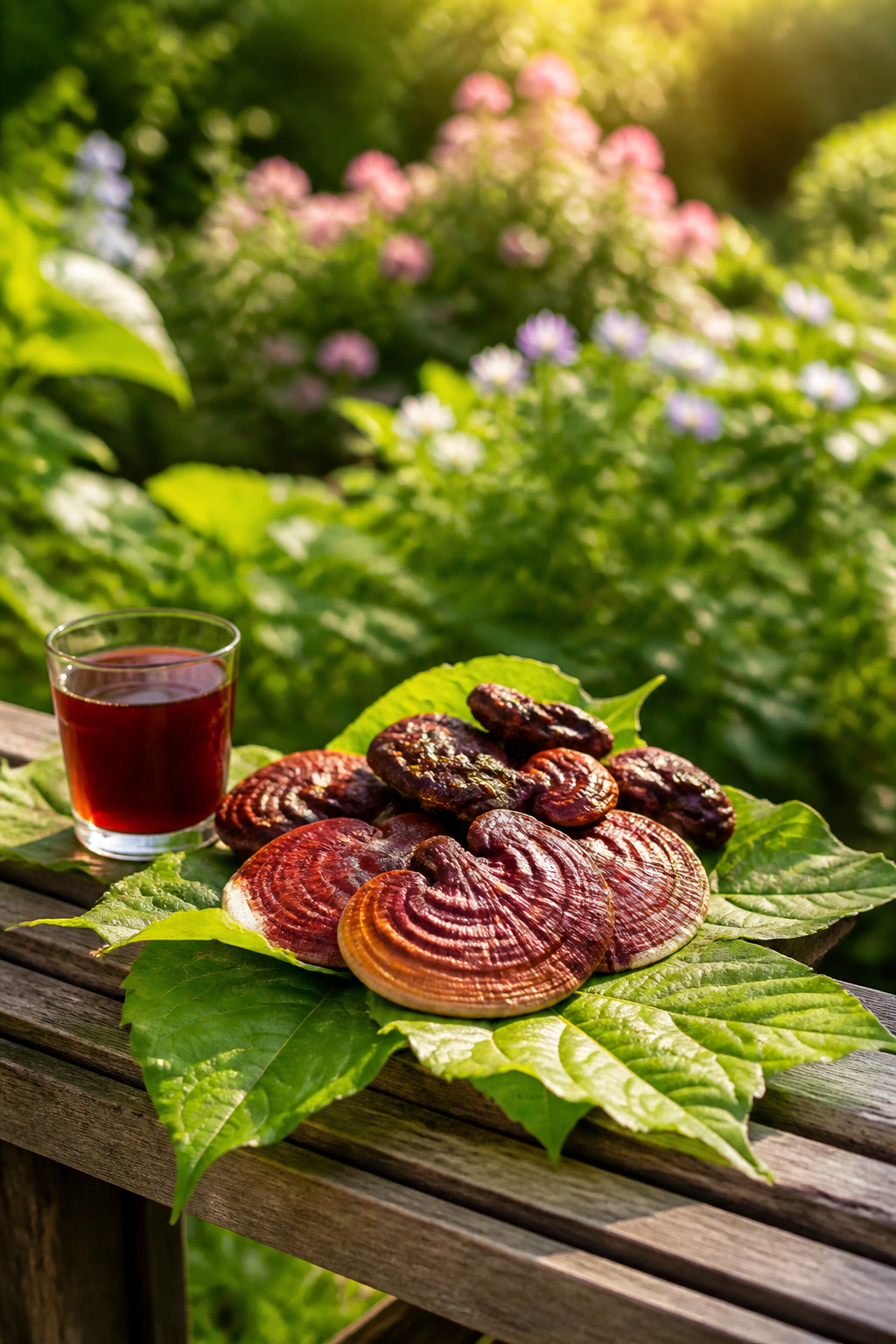
Reishi mushrooms contain compounds that may help the body manage oxidative stress, but the human evidence is more mixed than the marketing suggests. Polysaccharides and triterpenoids found in the mushroom show antioxidant activity in lab settings, and one liver-health study using a triterpenoid-enriched formula did find reduced oxidative stress markers in participants. The catch is that several studies measuring actual antioxidant enzyme levels in blood found no significant change after 4 to 12 weeks of consumption. That gap between what cells do in a dish and what shows up in a blood panel matters if you are weighing reishi against other antioxidant strategies.
Reishi mushrooms have more than 400 different nutrients. This includes beta-glucans and triterpenoids, compounds that can lower blood sugar and blood pressure levels, reducing your diabetes and heart disease risk. Studies show the mushrooms also have high antioxidant activity, which protects your body from cell damage that can increase your risk of many chronic diseases.
— WebMD
What WebMD calls "high antioxidant activity" likely refers to the same preclinical data; the human trials just have not consistently confirmed it yet. For now, reishi’s antioxidant reputation rests more on traditional use and laboratory findings than on proven shifts in the body’s own enzyme levels after you swallow the capsule.
What Reishi Is and How to Take It
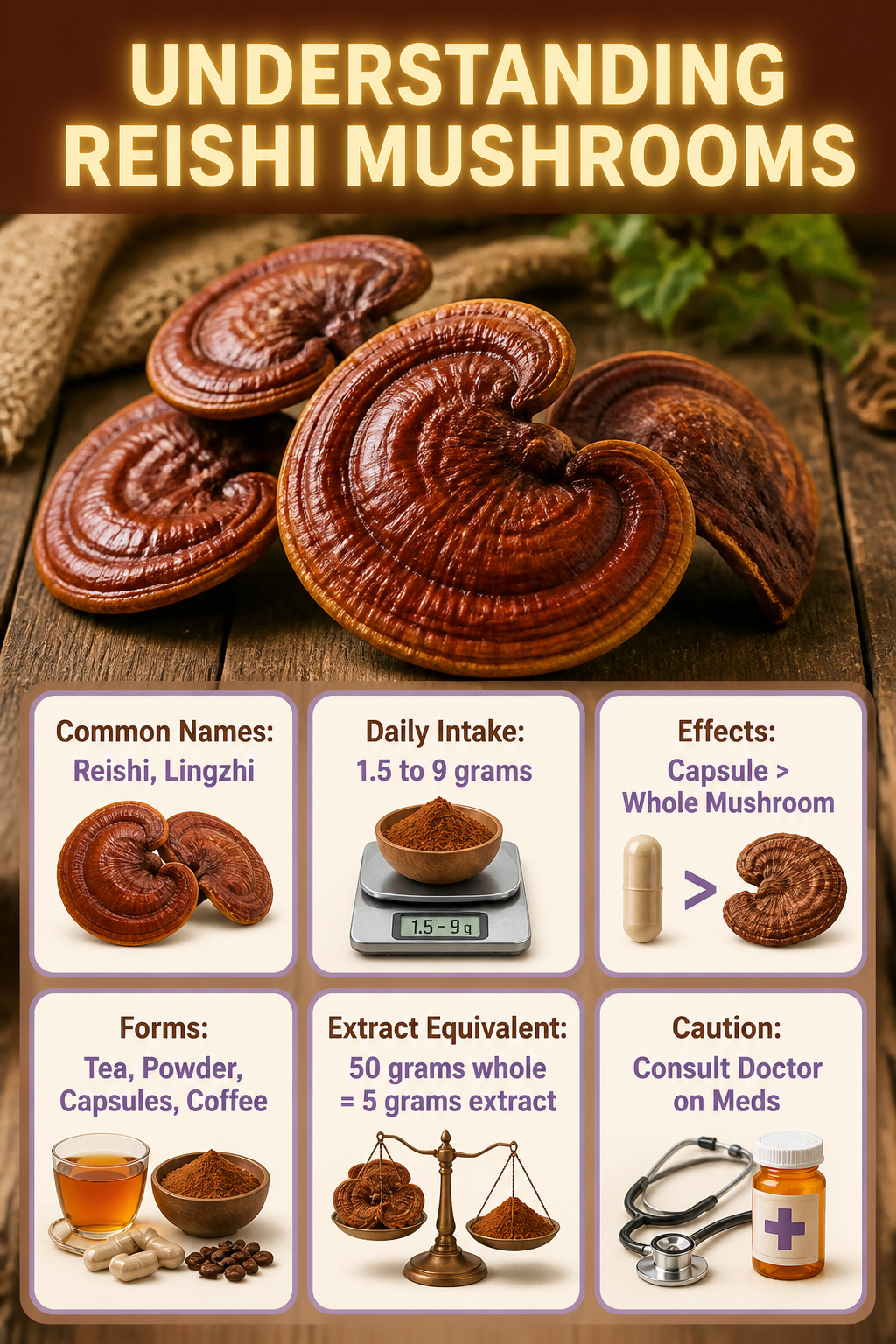
Ganoderma lucidum carries two common names worth knowing: reishi mushroom in Japan and lingzhi in China, where traditional medicine has used it for more than two thousand years. The form you choose changes what your body actually absorbs. Powders and capsules tend to outperform whole dried mushrooms for bioavailability, partly because reishi contains both water-soluble compounds like beta-glucans and fat-soluble ones like triterpenes, and extraction methods handle that split better than simply steeping or chewing the raw cap.
Most studies land on 1.5 to 9 grams per day of dried extract, with some guidelines pointing as high as 6–12 grams. Translating between forms matters: about 50 grams of whole mushroom roughly equals 5 grams of extract, so labels that only list milligrams often undershoot what those numbers imply. Tea, powder, and capsules all work; coffee blends exist too, though the bitterness of raw reishi usually pushes people toward extracted forms.
Daily reishi tea is safe for most healthy adults, and evening cups line up well with the calming use traditional practice favors. The real caution sits with anyone on blood thinners, blood pressure medication, or immunosuppressants: reishi can amplify those drugs, so a doctor’s check comes first. For everyone else, the bigger risk is paying for a product that lists 100 milligrams and calling it a dose.
Side Effects and Safety
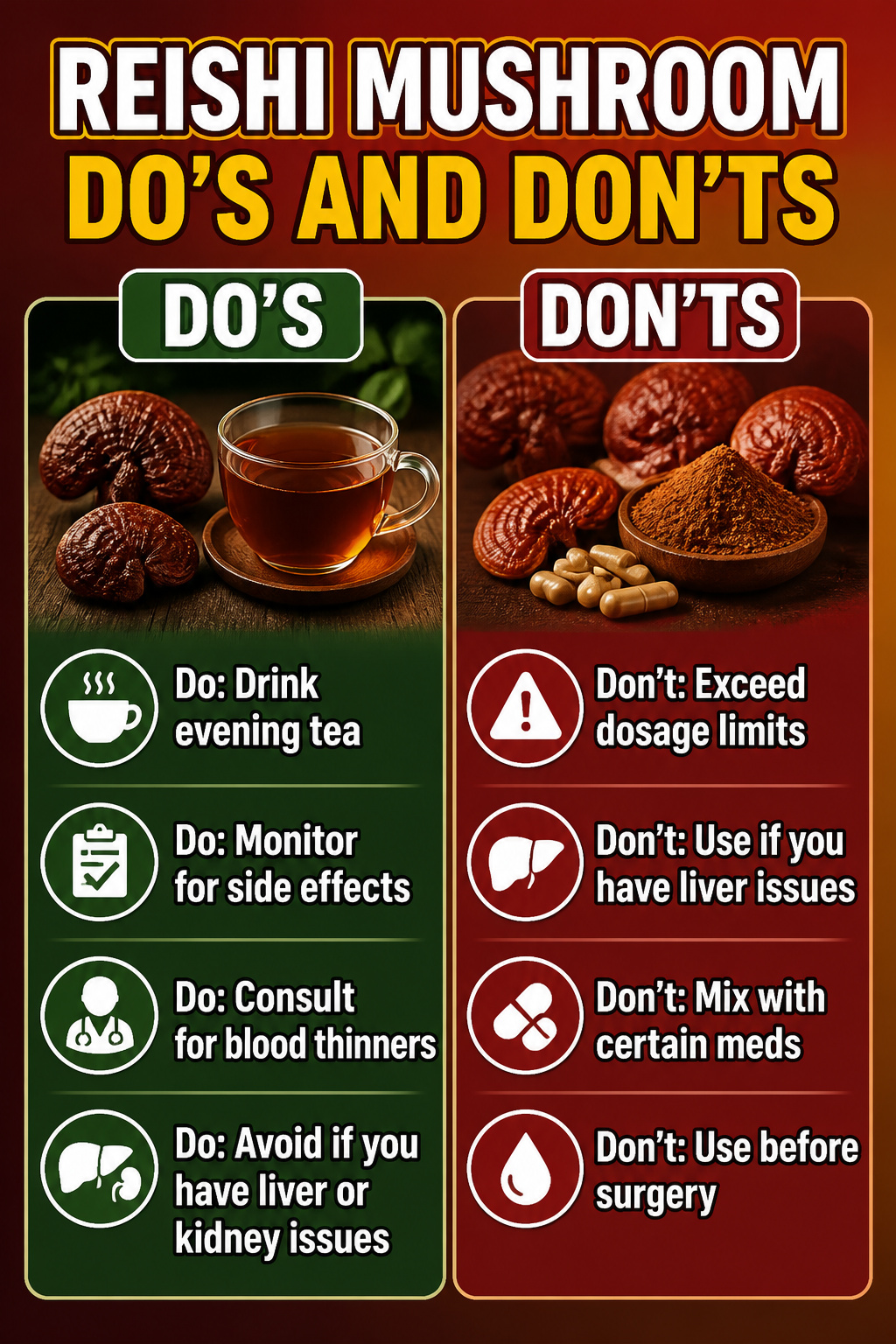
Most people tolerate reishi well, but the common side effects are nausea, dry mouth, dizziness, and mild digestive upset, usually showing up in the first few days as your body adjusts. I noticed the dry mouth myself when I tried capsules a couple years back; it faded after a week, but it was annoying enough that I switched to taking them with dinner instead of on an empty stomach.
The serious risk worth knowing is liver damage. Case reports have tied powdered reishi to liver toxicity, and one safety review noted that extract might be fine for up to a year while powdered forms become risky past one month. Other factors were often involved in those cases, so the mushroom alone is hard to blame, but the pattern is enough that I would skip reishi entirely if I already had liver or kidney issues.
Blood thinners and immunosuppressants are the main interaction concern. Reishi may increase bleeding risk, which matters for surgery prep and for anyone on anticoagulant or antiplatelet medication. It can also stimulate immune activity in ways that work against immunosuppressant drugs. What frustrated me, reading through the available guidance, is how little comprehensive drug interaction data actually exists; most sources repeat the same caution without naming specific mechanisms or dosages to watch. If you take either class of medication, a conversation with your doctor is the only safe move, not a self-directed supplement experiment.
Lesser-Known Possible Benefits
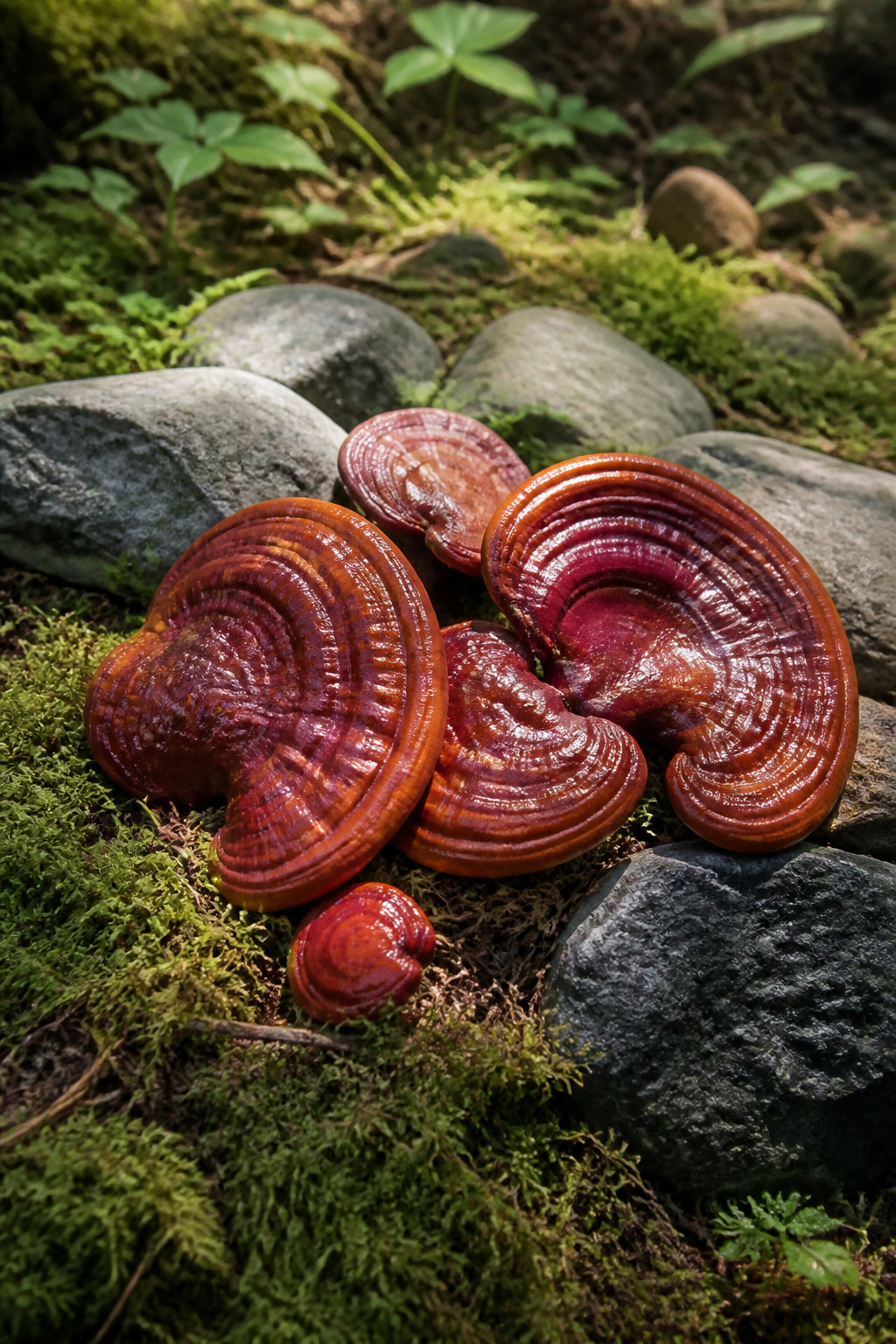
Liver health is where reishi gets complicated. Animal studies point toward real protective effects: mice given reishi spores showed faster regeneration of liver cells, and the mushroom appears to boost free radical scavenging that helps filter toxins. A 2016 trial among 39 Chinese adults aged 40 to 54 with mild fatty liver found that six months of a triterpenoid-enriched reishi formula dropped GOT by 42% and GPT by 27%, with ultrasound showing less fatty buildup. The dose was modest: one 225 mg capsule daily, standardized to 7% ganoderic acids and 6% polysaccharide peptides.
The catch is that reishi itself has been linked to liver injury in at least three documented human cases, one fatal. The same substance that protected mouse livers may stress a human one, and no one fully understands why. Anyone with preexisting liver conditions, or who drinks alcohol regularly, should probably skip this supplement entirely rather than self-monitor.
On neuroprotection, the evidence is thinner still. A few preclinical studies suggest reishi compounds might shield brain cells from oxidative damage, but nothing in humans meets the threshold for a real recommendation. Cognitive function? The same gap: promising in theory, unproven in practice. These areas are worth watching, not worth betting on yet.
Frequently Asked Questions
What are the main reishi mushroom benefits?
The main health benefits of reishi mushrooms include immune system support, anti-cancer properties as an adjunct to conventional treatment, fatigue and depression relief, possible heart health effects, blood sugar management, and antioxidant properties. Most of these benefits are supported by early-stage or mixed human evidence, with the strongest data coming from studies on immune function in cancer patients and fatigue reduction in people managing illness. Consistent daily use at studied doses of 1.5 to 9 grams of dried extract appears most effective.
Are there any reishi side effects I should worry about?
Common side effects include nausea, dry mouth, dizziness, and mild digestive upset, usually appearing in the first few days. More seriously, powdered reishi has been linked to liver toxicity in case reports, with one safety review suggesting extract may be safe for up to a year while powdered forms become risky past one month. Reishi can also increase bleeding risk and interact with blood thinners, blood pressure medication, and immunosuppressants.
Can I drink reishi mushroom tea every day?
Yes, daily reishi tea is safe for most healthy adults, and evening cups align well with the calming use traditional practice favors. Most studies use 1.5 to 9 grams per day of dried extract, with some guidelines pointing as high as 6–12 grams. Anyone on blood thinners, blood pressure medication, or immunosuppressants should check with a doctor first, since reishi can amplify those drugs.