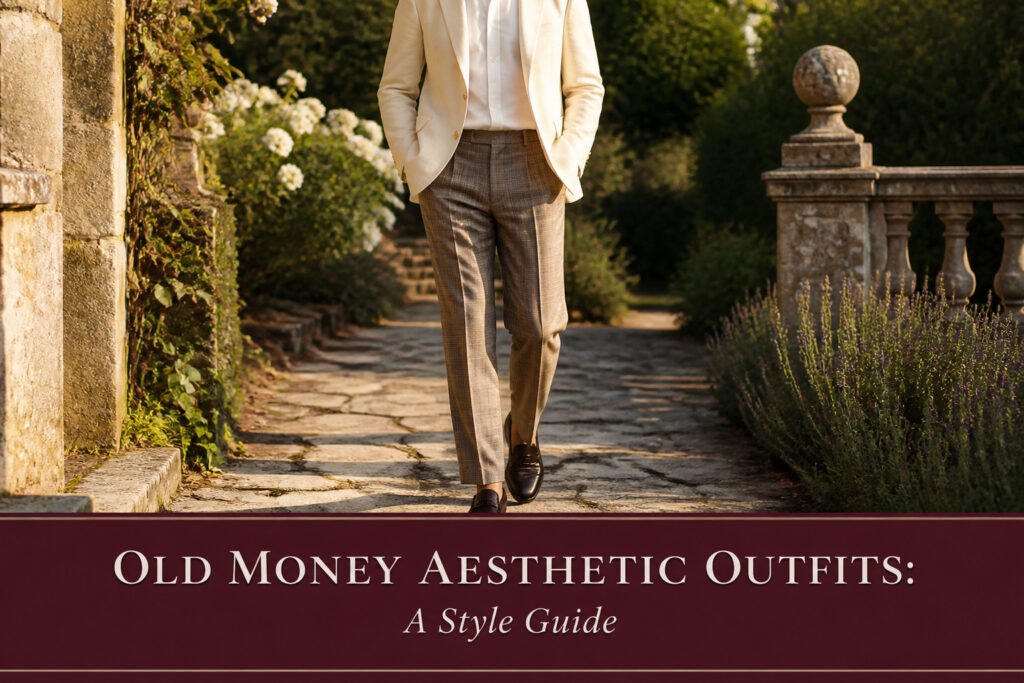
Old money aesthetic outfits are built on the assumption that the wearer owned these pieces before the trend arrived and will keep them after it leaves. The catch is that most attempts fail on fit: a sleeve grazing the wrist bone or trousers breaking just above the shoe separates inherited from rented. A $300 coat altered to your hip bone outranks a $900 coat that hangs where it landed.
Tailored Suits
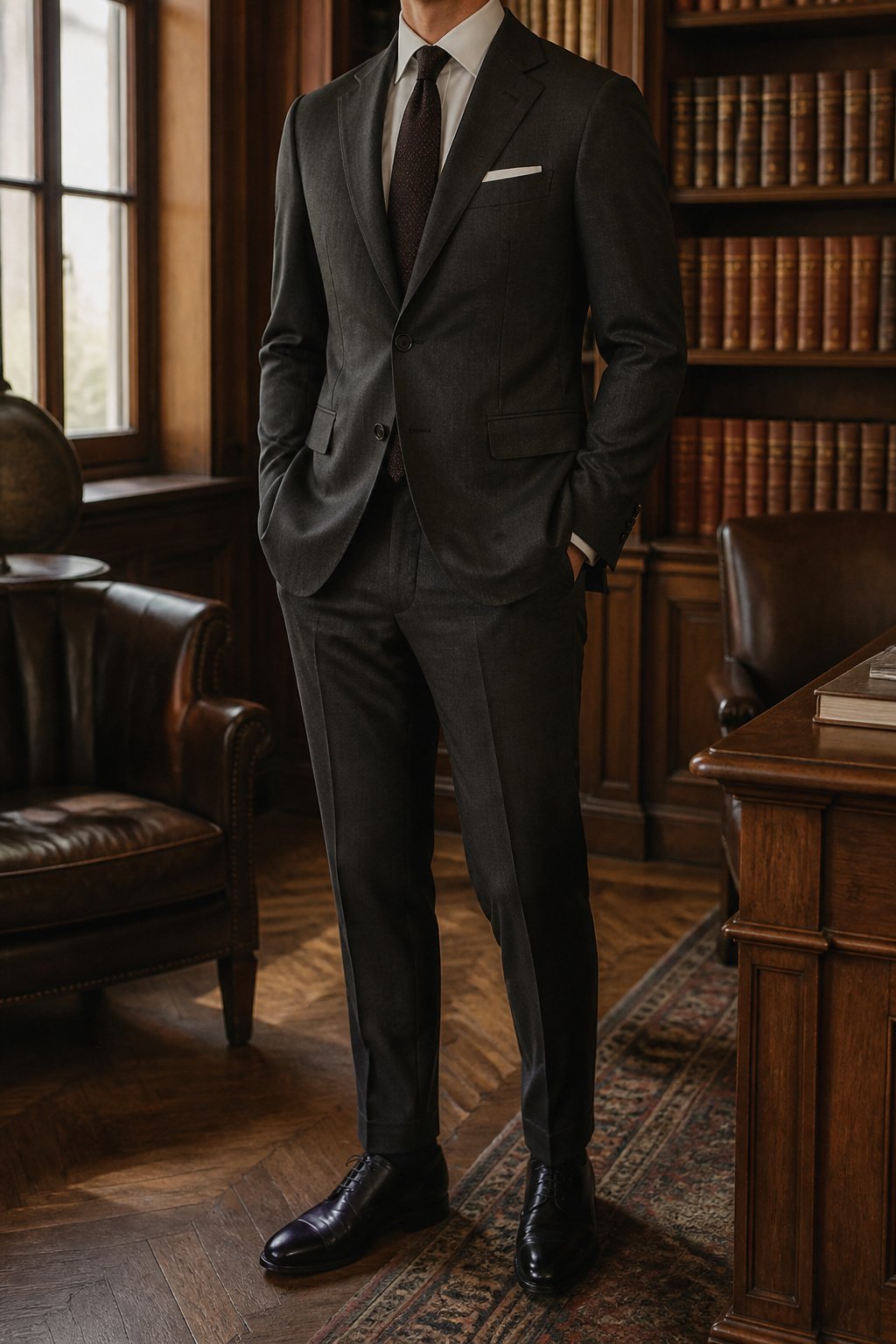
Six sources back tailored suits as the backbone of old money aesthetic outfits, and the reason is simple: nothing else signals permanence so quietly. A suit in wool or silk, cut to classic lines, outlasts the trend cycle by decades rather than seasons. The fabric matters as much as the shape. Wool drapes with weight that cheaper blends never match, and silk linings let the jacket slide on without catching at the shoulders. Fit is where most attempts fail. A sleeve that grazes the wrist bone, trousers breaking just above the shoe, shoulders ending exactly where your own do: these measurements are the difference between inherited and rented. Quality wool and silk, cut to last decades, is the standard to hold any suit against. The silhouette should need no explanation. Single-breasted, two-button, notch lapel; or double-breasted with a wider peak if the frame carries it. Either reads as deliberate, not fashionable. The mistake is buying for the moment you need it. Buy for the mornings ten years from now when it still has to look inevitable.
Sophisticated Blazers
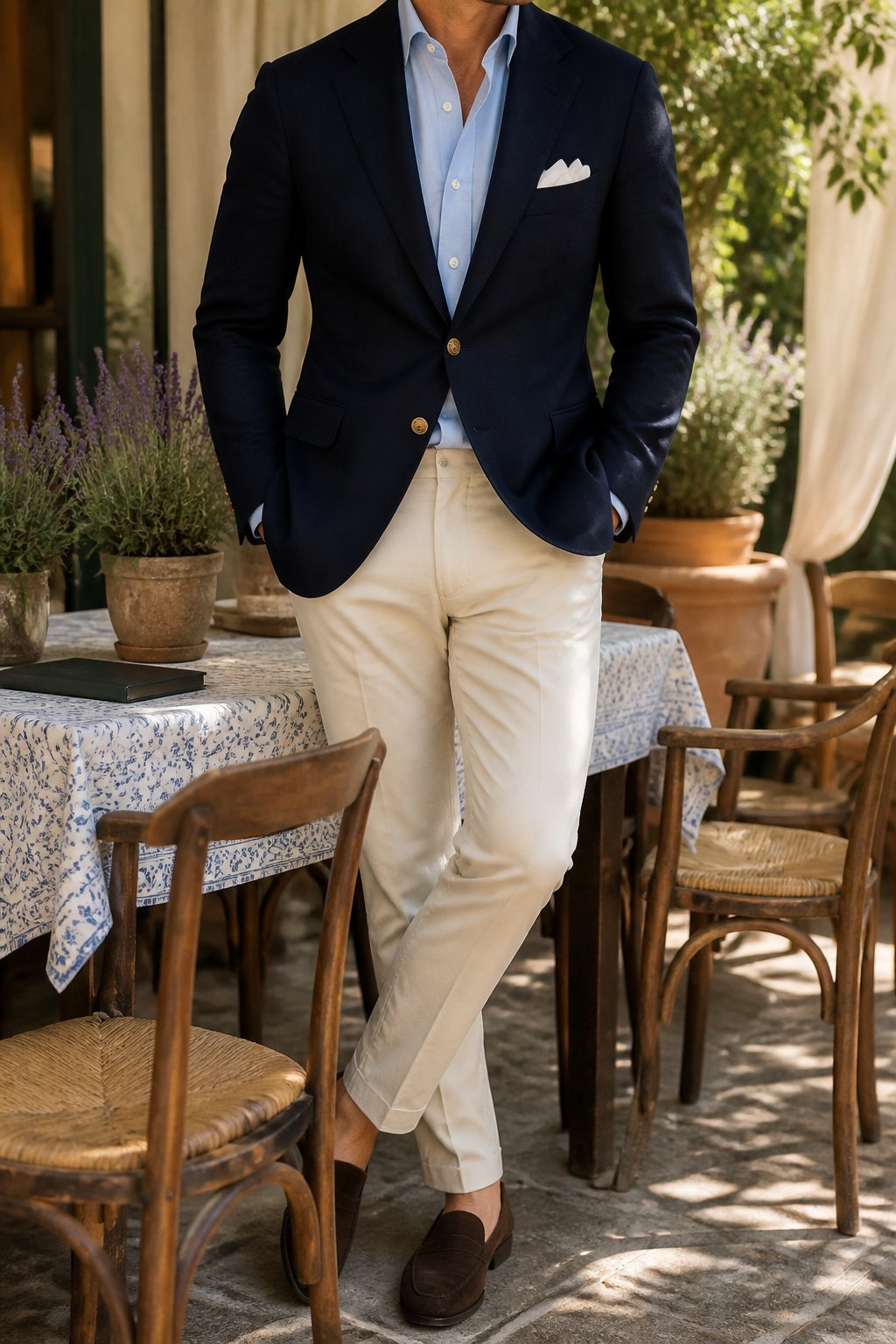
A well-cut blazer carries more weight in an old money wardrobe than almost any other single piece. The right one turns jeans and a simple tee into something intentional, or sharpens a dress that felt too casual for dinner. What separates the blazer you reach for weekly from the one that hangs untouched comes down to structure and fiber.
Natural fibers are non-negotiable here: wool, cashmere, or a silk blend that holds its shape through a full day of wear. Synthetic blends might look similar on a hanger, but they relax in odd places, pill faster, and never acquire the soft sheen that comes from years of proper wear. The shoulders should be structured enough to create a clean line but not so padded that they read as costume. Sleeve length matters more than most people notice; a half-inch too long and the whole piece looks borrowed, too short and it seems shrunken rather than tailored. The cuff should break exactly at the wrist bone, allowing a quarter-inch of shirt or skin to show.
Color is where personality enters without breaking the code. A classic navy blazer carries that understated nautical elegance that works across seasons, while a double-breasted cut in charcoal or deep camel adds formality without stiffness. The blazer becomes a narrative of your style, adaptable to various settings, yet always maintaining an air of cultivated grace.
High-Quality Dress Shirts
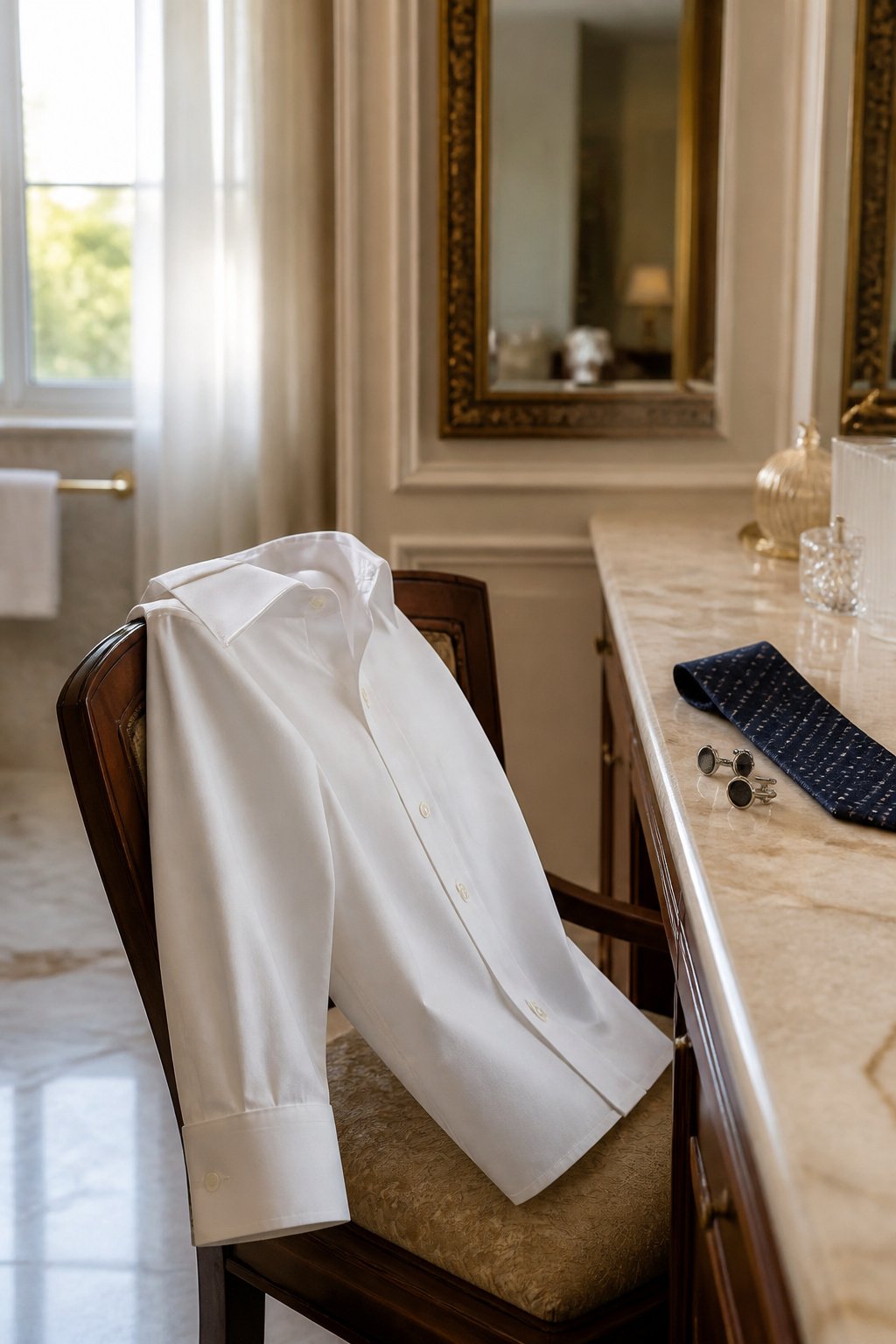
A dress shirt in the old money aesthetic earns its place through fabric and construction that outlasts trends. Egyptian cotton and silk are the two materials worth seeking; Egyptian cotton carries a longer staple that holds a crisp press through a full day of meetings, while silk adds a subtle luster that reads as quiet wealth rather than evening-only flash. Collar construction matters more than most buyers notice: a fused collar with sufficient interlining keeps its shape without looking starched, and the collar points should sit cleanly against the lapel when a jacket is worn. The torso fit is where off-the-rack shirts most often fail the aesthetic. A proper dress shirt follows the body without pulling at the buttons or ballooning at the waist; darts or a slight taper through the midsection prevent the fabric from pooling when tucked. These shirts function as the quiet workhorse of the wardrobe, the piece that lets a pearl strand or a vintage watch read as intentional rather than costume.
Versatile Polo Shirts
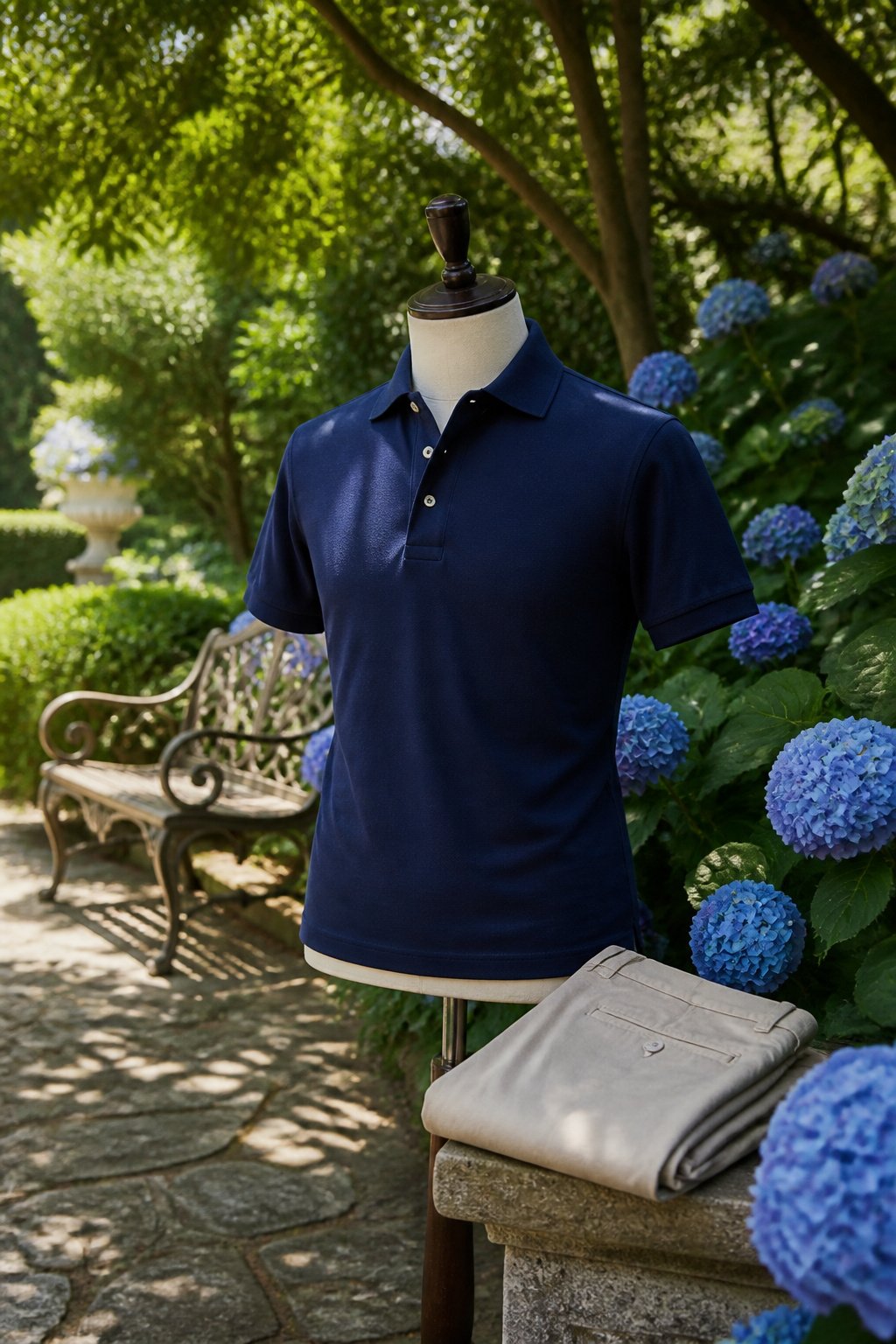
Polo shirts carry more weight in an old money wardrobe than most people give them credit for. The right one moves between a Saturday lunch and a Monday morning meeting without looking like it is trying too hard in either place.
Pique cotton or merino wool separates the piece that earns its keep from the one that pills after three washes. Pique has that subtle texture that holds its shape through years of wear; merino manages temperature better and resists odor in a way that lets you wear it twice before it sees laundry. Both read as intentional rather than afterthought.
Fit is where most polos fail. Shoulder seams should sit at the bone, not slide halfway down the arm. The sleeve should end mid-bicep, tight enough that it does not flare when you move but not so tight it strains. The body skims without clinging; you want fabric to settle, not stretch. A generic polo bags at the waist or pulls across the chest because it was built for a mannequin, not a person.
Color keeps it versatile. Navy, cream, forest green, and burgundy pair with tailored chinos or a structured skirt without demanding the rest of the outfit compete. The old money read is always that the wearer had these pieces before the trend arrived and will keep them after it leaves.
Classic Dress Pants and Skirts
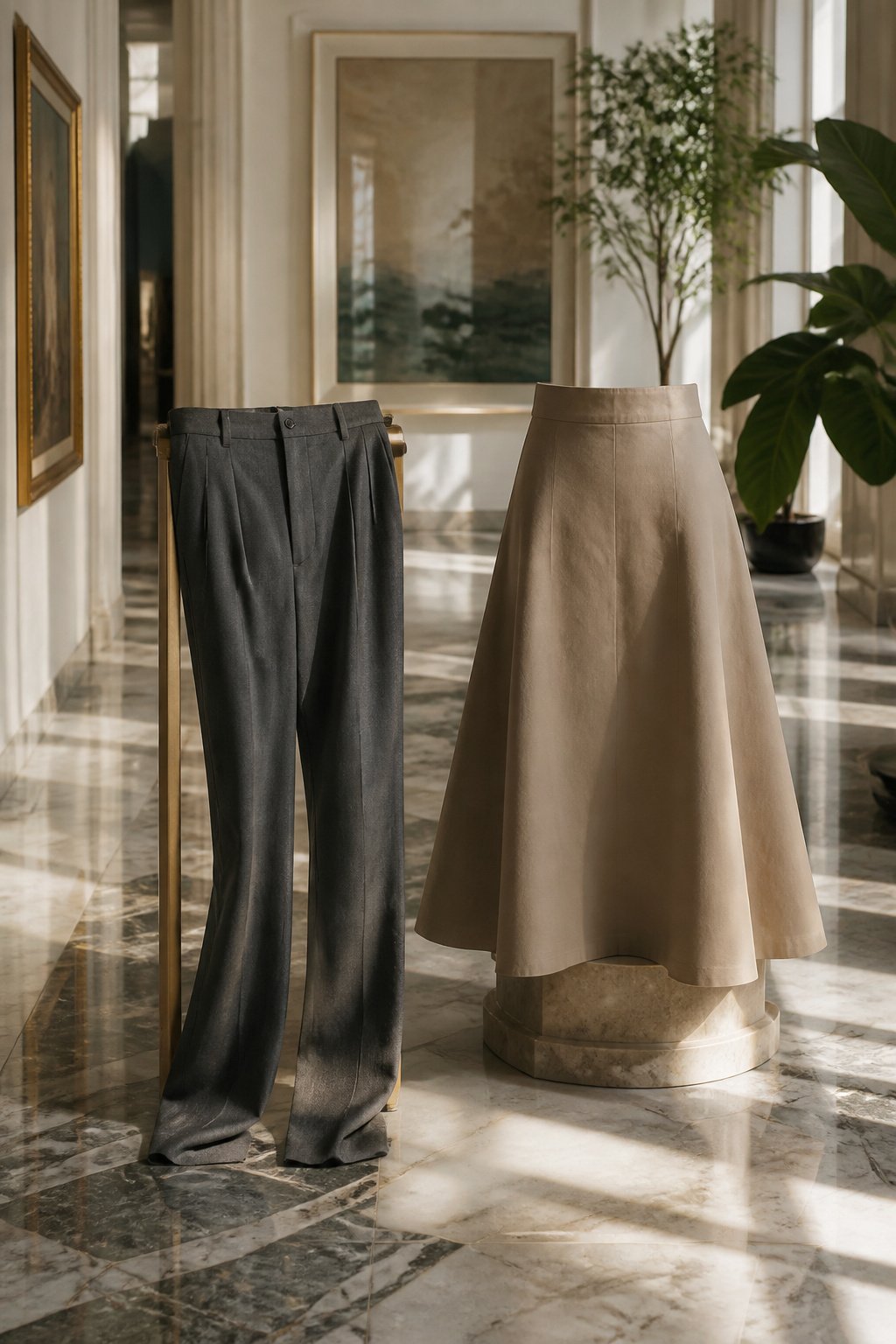
Tailored dress pants and skirts are the backbone of a refined wardrobe, but the difference between elegant and merely expensive comes down to proportion and weight. A proper rise sits at or just below the natural waistline, never low enough to break the line of a tucked blouse or high enough to read as costume. The break of trouser hem against shoe should be slight, a single fold that rests cleanly rather than pooling; full breaks look careless, and a cropped ankle reads trendy rather than timeless. Skirts fall most elegantly at or just below the knee, with A-line or straight silhouettes that move without clinging. Pencil cuts work when the fabric has enough structure to hold its shape through a day of sitting and walking.
Fabric weight decides whether a piece looks inherited or purchased last season. A mid-weight wool or wool-blend trouser, roughly 10–12 oz, drapes without collapsing and resists the cling of lighter synthetics. Skirts in similar weights, or in substantial cotton twill lined to the hem, hold their architecture rather than shifting with every breeze. The drape should fall in a straight column from hip to hem, neither stiff enough to tent nor soft enough to ripple. A lined skirt in proper weight will outlast three unlined versions and look correct in every season.
Refined Dresses and Gowns
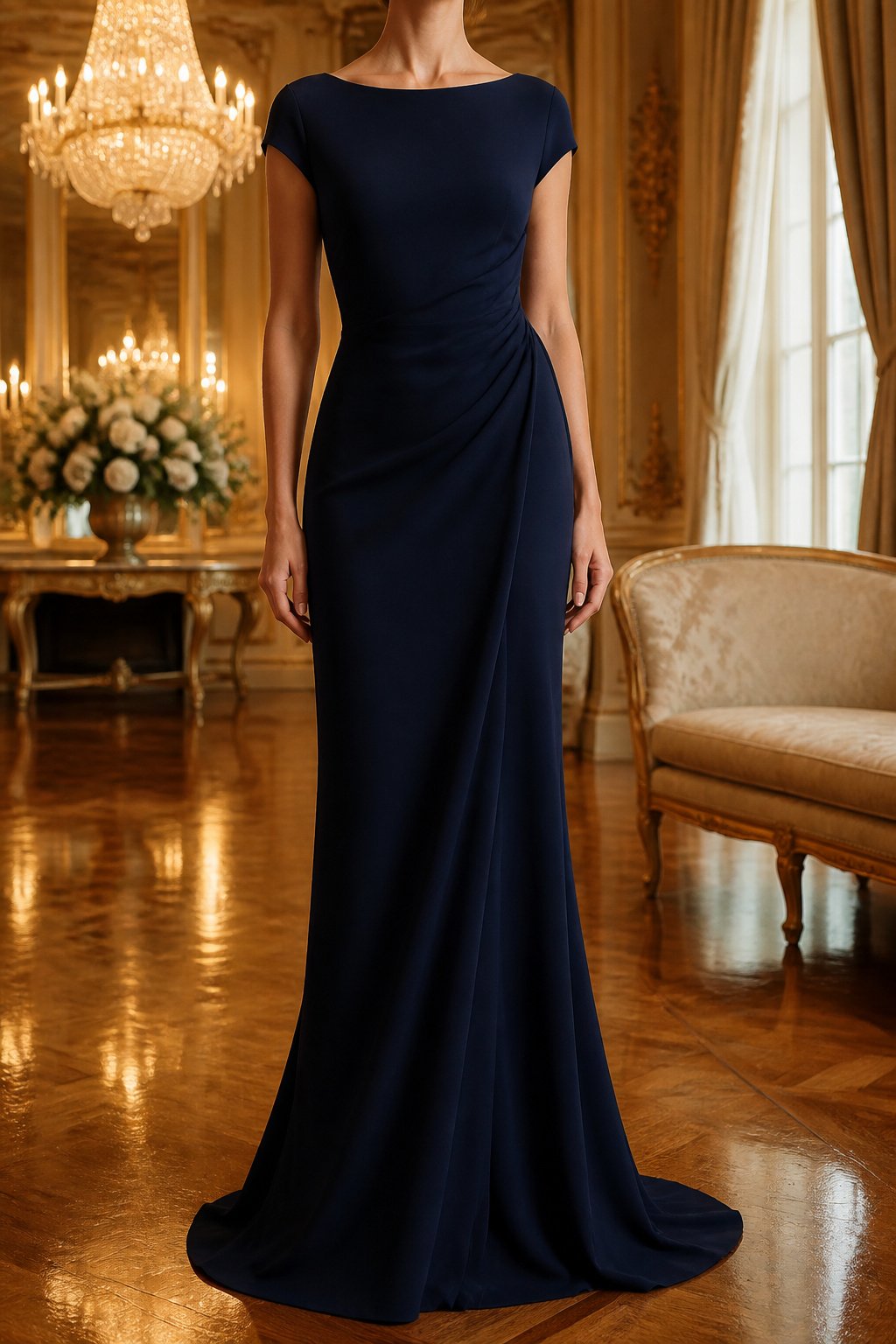
A sheath dress in double-faced wool crepe has carried women through boardroom dinners, gallery openings, and the occasional wedding where the invitation said "cocktail" but meant business. The cut matters more than any trim. Bias-skimming lines that graze the body without clinging, a neckline that sits at the collarbone or just below, sleeves that end at the wrist or the mid-forearm: these are the details that read as money without shouting it. I have watched too many silk charmeuse numbers lose their composure by 9 PM, wrinkled and wilted where a heavier crepe or a matte jersey would have held steady.
For evening, the column gown in midnight navy or softened black remains the reliable choice. The fabric should move like water, not sparkle like it. Beading, cutouts, and trains that require two handlers subtract rather than add; the woman wearing the dress should draw the attention, not her ability to manage it. One source notes that gowns in this tradition are crafted to highlight grace and poise in every stitch, which sounds aspirational until you have worn one that actually does this, the seams placed so the dress seems to stand slightly apart from the body, creating its own architecture.
Occasion-appropriate dressing under this aesthetic means reading the room precisely. A tea-length dress in heavy silk for a summer garden party; the same silhouette two inches longer for a city luncheon. The error is showing up in something that competes with the event rather than participating in it.
Appropriate Footwear
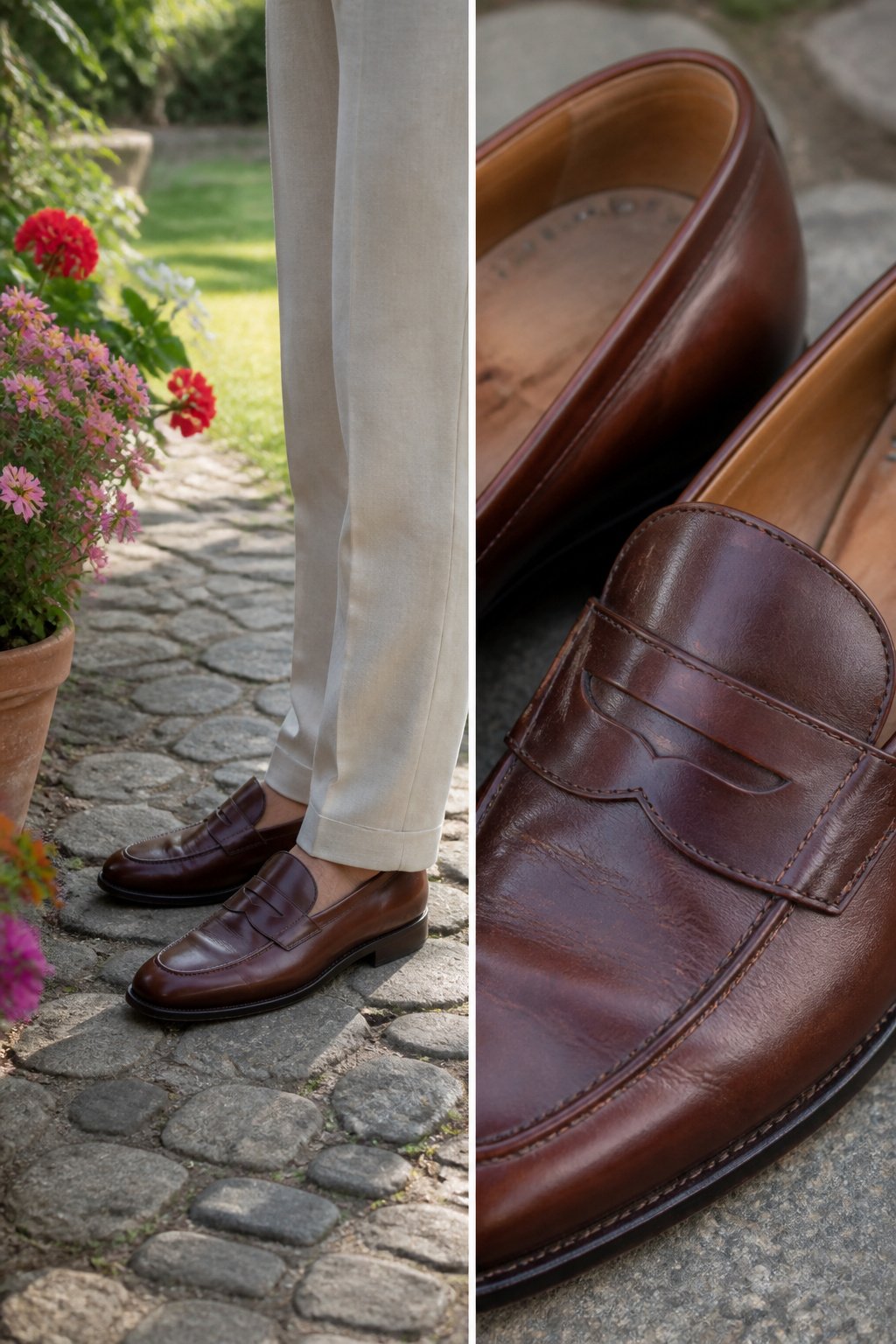
The right shoe for old money aesthetic outfits reads as inherited rather than purchased last season. Leather that has softened but still holds its shape carries the look; leather that has cracked or collapsed reads as neglect, not history.
Loafers in full-grain leather with Blake or Goodyear welt construction age into that distinction. The welt allows resoling, which means the upper develops patina while the structure stays sound. A pump with a leather sole and stacked heel does the same work for more formal occasions. I draw the line at plastic heels or cemented soles that separate after a season; they cannot be repaired, so they never get the chance to look lived-in.
Worn-in quality shows at the vamps and heel counters, where gentle creasing replaces the stiffness of new leather. Worn-out quality shows at the toe box collapse or sole holes that let water through. The difference is maintenance: trees in loafers, rotation between pairs, and a cobbler who can replace a heel cap before the leather grinds past saving.
For flats, a penny loafer or Belgian slipper in dark burgundy or chestnut bridges day and evening without costume. For heels, a pump between 50 and 75 millimeters, leather-lined, in black or navy, outlasts trend cycles because it never fully left them.
Quality Fabrics
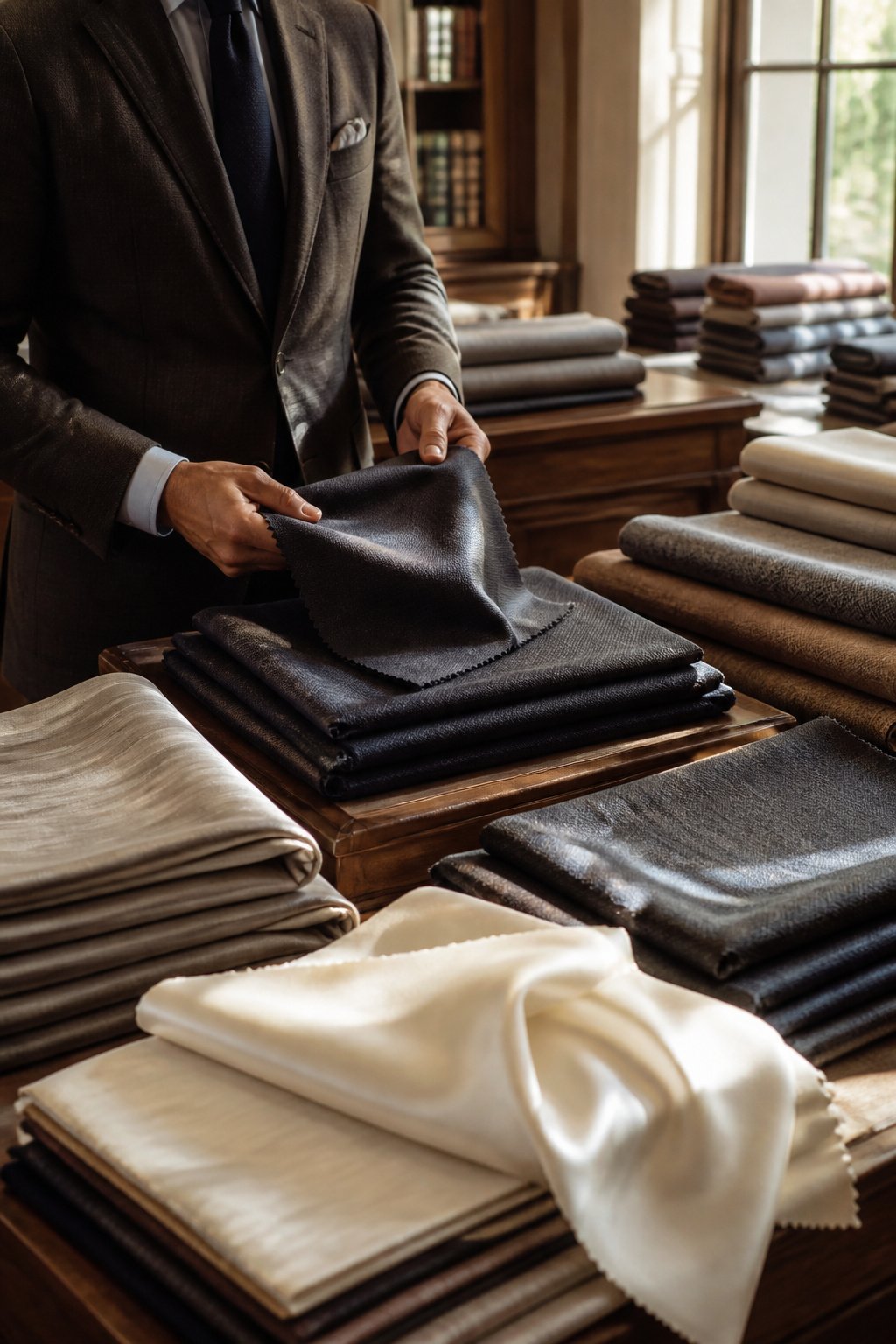
Silk, cashmere, and Egyptian cotton form the backbone of old money aesthetic outfits, and the difference shows up fast. A silk blouse catches light without shouting; it drapes against the collarbone and falls back into place after a day of sitting through meetings. Cashmere sweaters soften with wear rather than pill into regret, which is why one quality piece outlasts three cheaper replacements. Egyptian cotton carries enough weight to sit cleanly under a blazer without the telltale bunching of thinner dress shirts.
Durability is where the investment pays out. These fabrics hold their color through repeated laundering, resist the surface shine that cheapens polyester blends, and ease into that slightly worn patina that reads as inherited rather than neglected. A cashmere crewneck works with wool trousers for dinner or with denim on a Saturday; the same silk blouse under a blazer reads boardroom, and alone with a-line skirt reads gallery opening. The versatility is in the material, not the styling tricks.
The mistake is buying the label and skipping the fiber content. I have held blazers with prestigious tags that lined the collar in acetate, which frays at the dry cleaner. Check the inside seam for the actual composition. If the silk is weighted with too much filler, it will crease like paper by noon. Old money aesthetic outfits rely on the assumption that you have worn this before and will wear it again; the fabric has to agree to both.
Tailoring and Fit
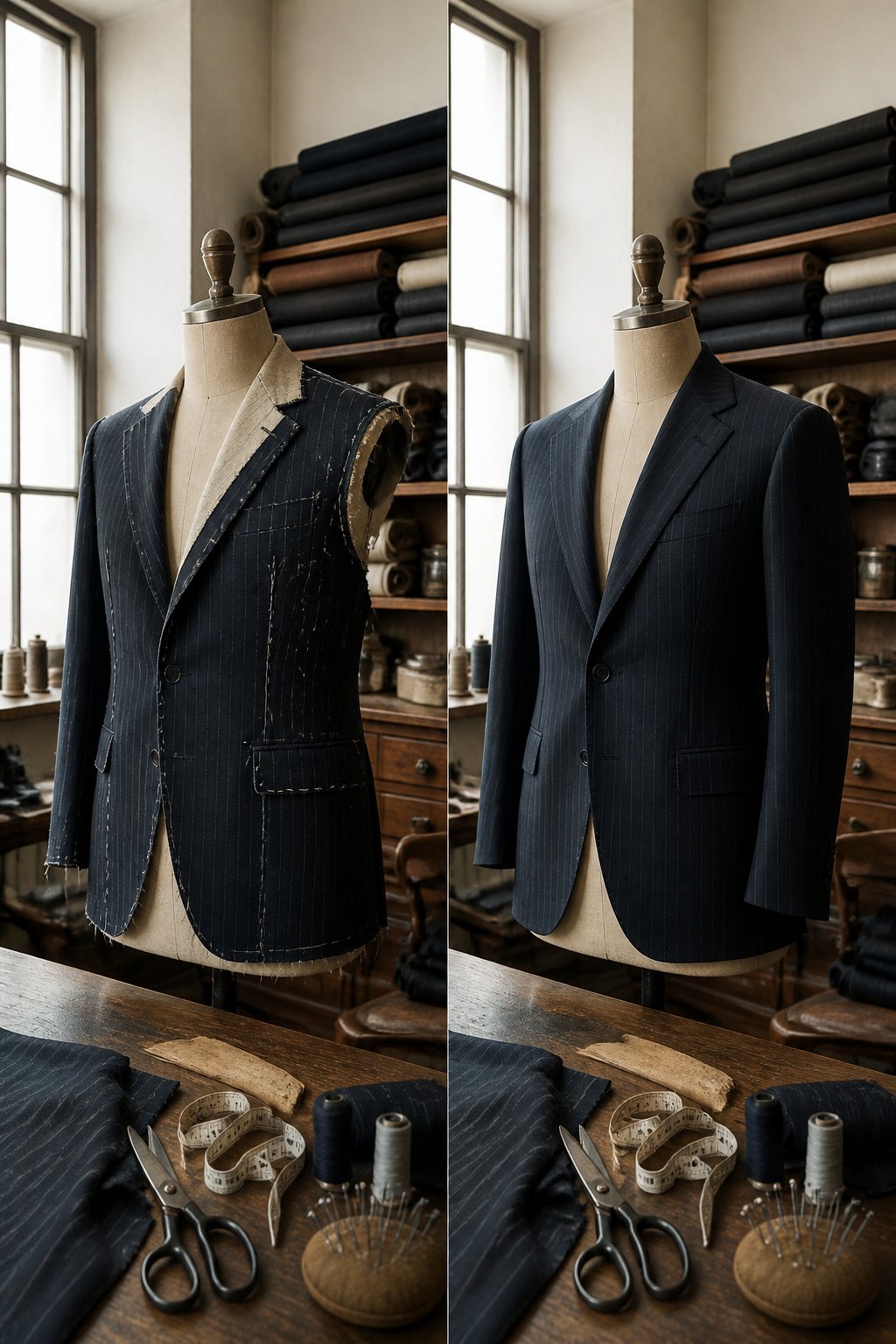
The gap between off-the-rack and properly altered garments is where most old money aesthetic outfits fall apart. A blazer that pools at the wrists or trousers that bunch at the ankles reads as careless, not classic. Tailoring is key to the Old Money look because it forces the garment to follow your actual silhouette rather than a manufacturer’s average.
Even pieces bought ready-made need this step. A $300 coat altered to sit exactly at your hip bone will outrank a $900 coat that hangs where it landed. The work is usually simple: sleeves shortened, waists suppressed, hems graded. Most dry cleaners with a sewing machine can manage it, though a dedicated tailor is worth seeking out for jackets or anything lined.
Colors and patterns only register as elegant once the fit is resolved. Navy, charcoal gray, and rich browns in a suit that actually follows your shoulders look intentional; the same colors in a boxy cut look borrowed. Subtle pinstripes or checks add depth, but only when the stripes run straight and the checks sit level. A garment that moves with you, rather than against you, is what separates the look from costume.
Neutral Color Palette
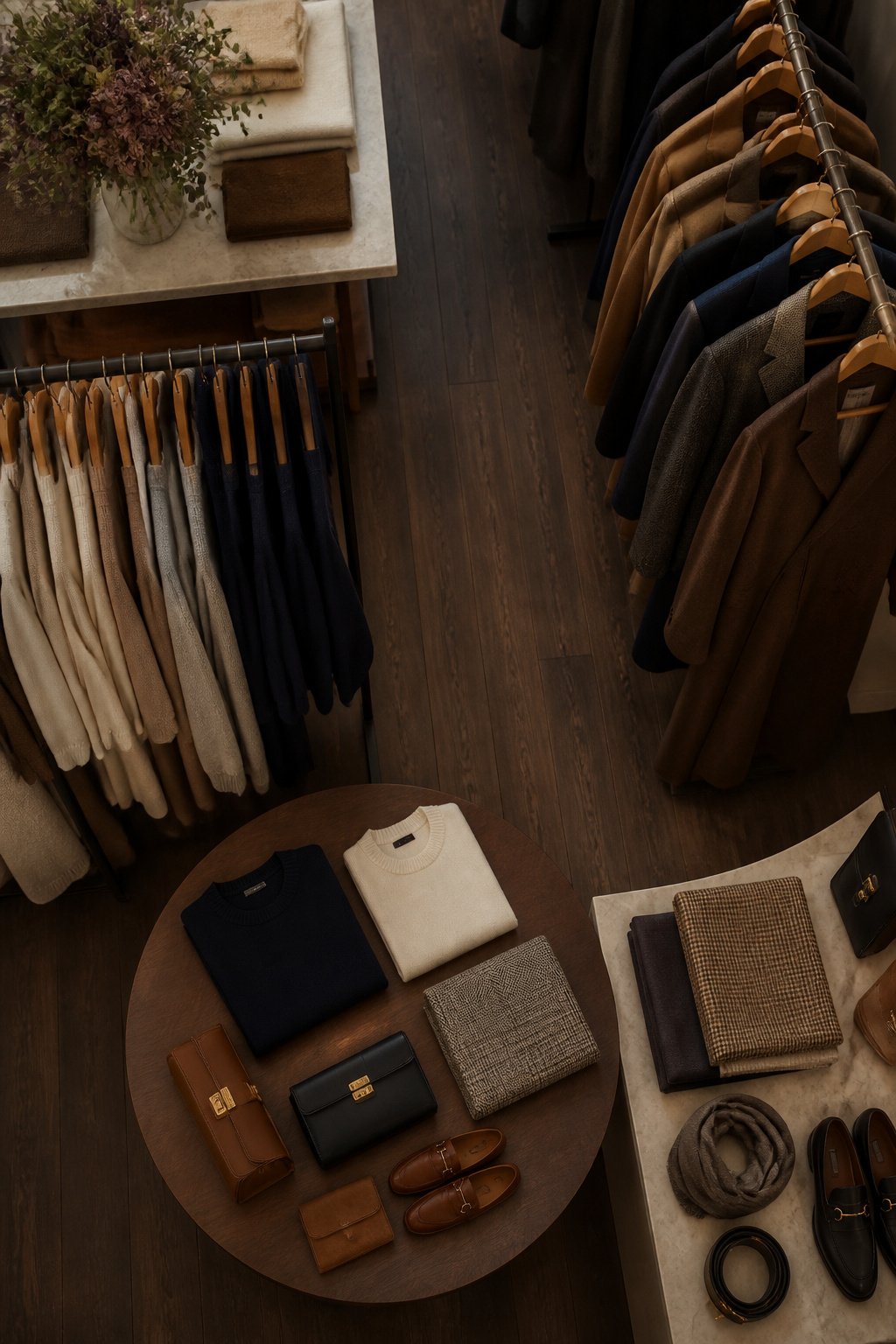
Navy, beige, and soft pastels form the backbone of old money aesthetic outfits because they do the one thing loud colors cannot: they let the cut and fabric speak first. A tailored wool blazer in camel reads expensive from across a room in a way a bright red one never quite manages, even at the same price point. The same holds for a silk blouse in ivory or a pair of trousers in charcoal rather than kelly green.
Subtle patterns reinforce this effect without competing for attention. A faint stripe or a muted herringbone adds texture, but the eye registers the quality of the weave before it registers the pattern at all. That sequencing matters. The color should arrive second, after the observer has already noted how well the garment is made.
White and black belong in this palette too, though they demand more maintenance to keep looking intentional. A cream knit that yellows at the collar loses its old money credibility fast, whereas navy forgives the same wear. For building a cohesive wardrobe from pieces that already work together, the softer neutrals win for everyday use.
Classic Accessories
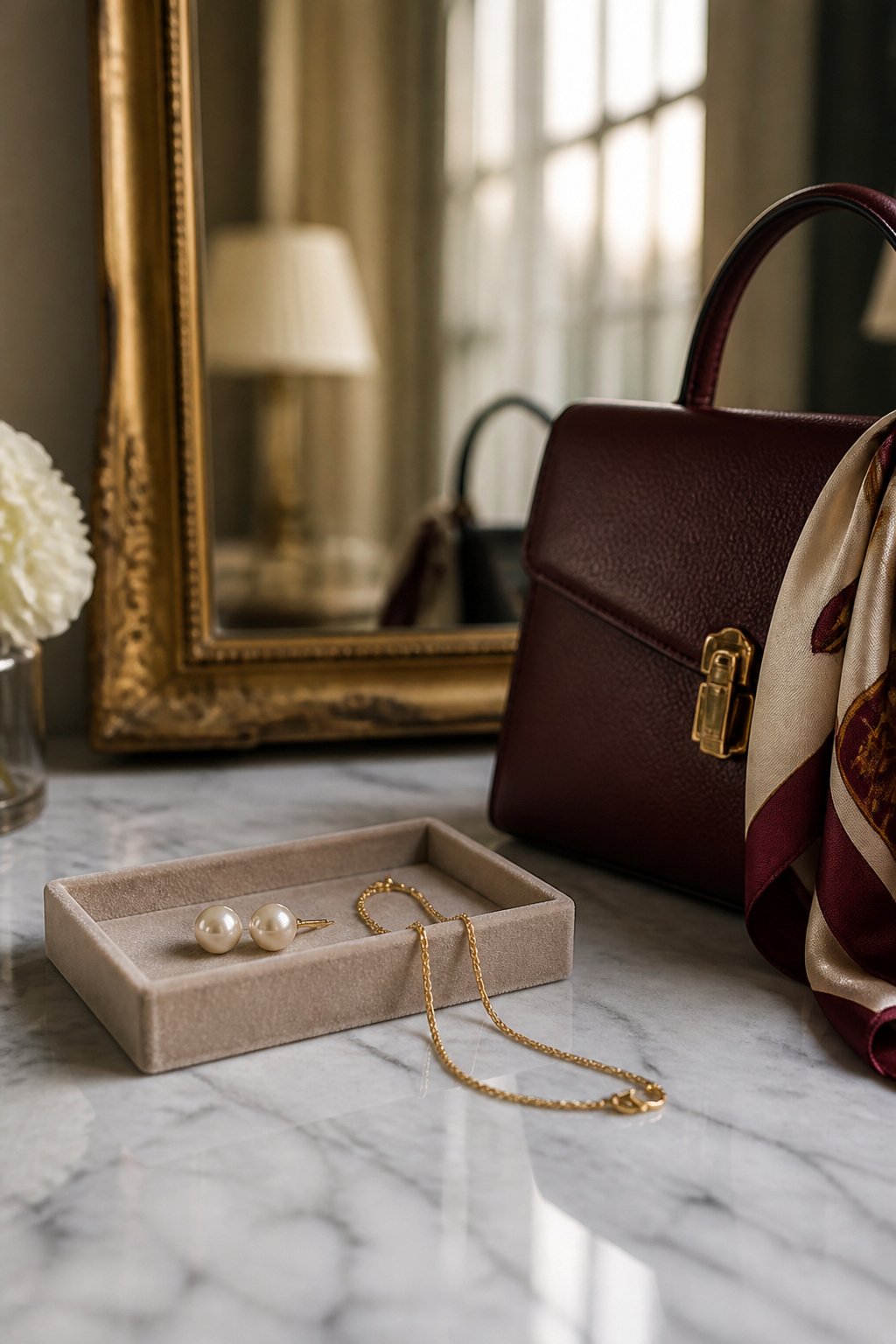
The wrong pair of earrings can undo an otherwise perfect old money aesthetic outfit faster than any other mistake. Pearl studs small enough to sit inside the lobe, not dangle below it, read as inherited rather than purchased, and that is the whole point. A simple gold necklace, thin enough to disappear under a collar, works the same way. Leather handbags should be structured, unlogoed, and sized for what you actually carry; the oversized tote with hardware screaming a brand name belongs to a different aesthetic entirely. Scarves add sophistication when they are silk, quiet in pattern, and tied with purpose rather than drama. Trendy items that quickly go out of style are the real danger here. The goal is for someone to remember that you looked polished, not to remember what you wore.
Grooming and Etiquette
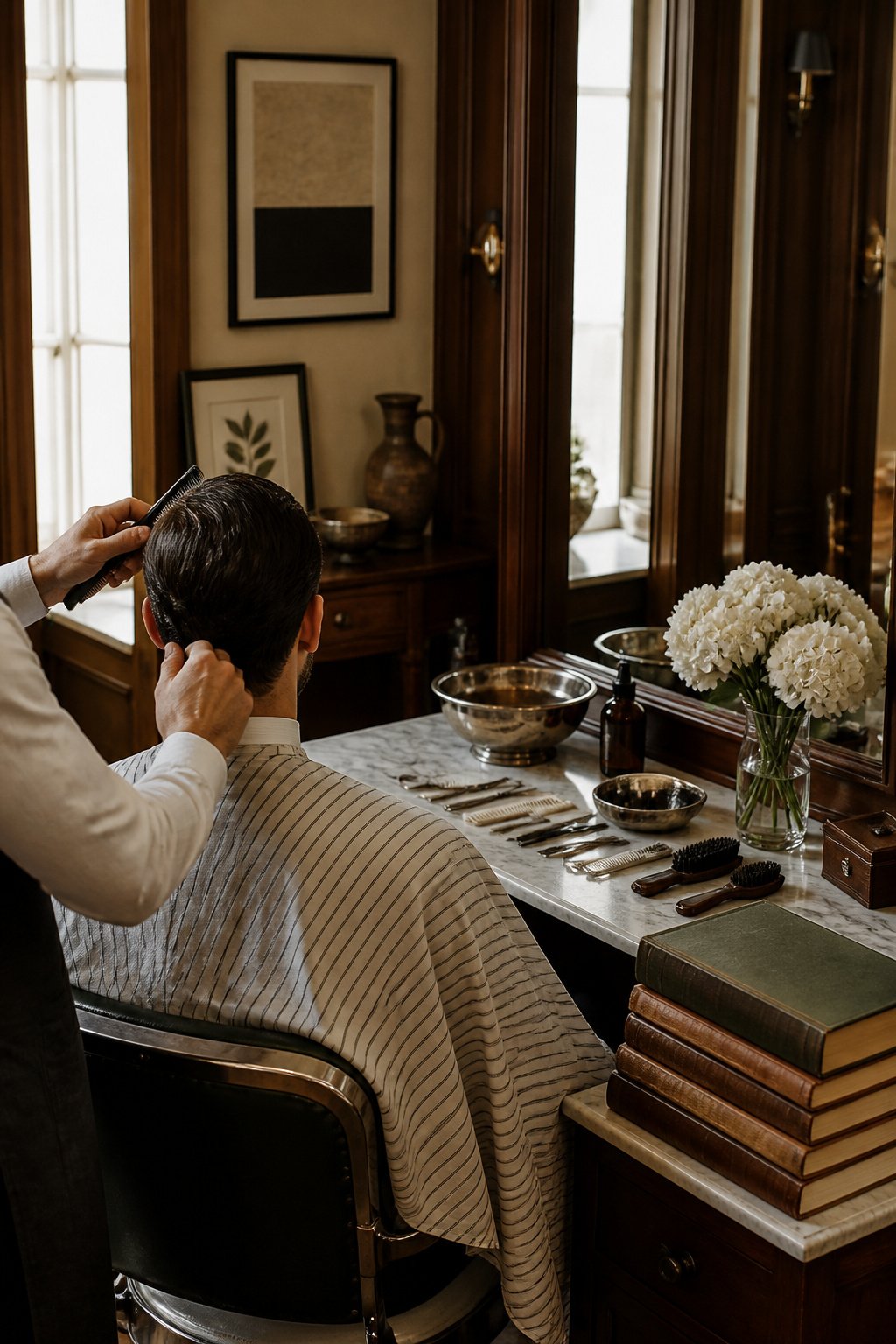
Polished grooming matters as much as the cut of your blazer when you’re putting together old money aesthetic outfits. The look falls apart if the nails are chipped or the conversation turns to last night’s reality show. Understated makeup, clean lines, and hair that stays in place without looking shellacked signal that you’re not performing wealth; you’re living with it.
Grace shows up in small choices. Arriving on time, listening more than you speak, steering talk toward books or travel rather than salaries or purchases. These habits read as education and breeding, which is exactly the point.
Privacy is the harder discipline. The impulse to post the vacation, the inheritance, the renovation runs strong now, but restraint reads older and steadier. Discretion about your own life extends to gossip about others; both break the spell.
The mindset behind old money aesthetic outfits values tradition without making a display of it. A borrowed phrase of French, a reference to a novel from fifty years ago, a genuine question about someone else’s work. Cultivation shows in what you notice, not in what you announce.
Frequently Asked Questions
Do I need a lot of money to create the old money aesthetic?
Not necessarily. The old money aesthetic is more about quality than quantity. One well-made wool blazer that fits properly will outlast three cheaper alternatives and look correct every time you wear it.
How important is tailoring in the old money aesthetic?
Tailoring is key to the Old Money look. Even a $300 coat altered to sit exactly at your hip bone will outrank a $900 coat that hangs where it landed. The work is usually simple: sleeves shortened, waists suppressed, hems graded.
What kind of accessories should I choose?
Opt for timeless and understated accessories. Pearl studs small enough to sit inside the lobe, a thin gold necklace that disappears under a collar, and structured leather handbags without visible logos carry the look without competing with it.
Can I incorporate modern trends into the old money aesthetic?
Yes, but do it sparingly and thoughtfully. The essence of this aesthetic is timelessness, so while you can add modern touches, they should not dominate your look. Choose trends that complement the classic nature of your wardrobe.
Is makeup important in the old money aesthetic?
Yes, but keep it minimal. Understated makeup, clean lines, and hair that stays in place without looking shellacked signal that you are not performing wealth; you are living with it.