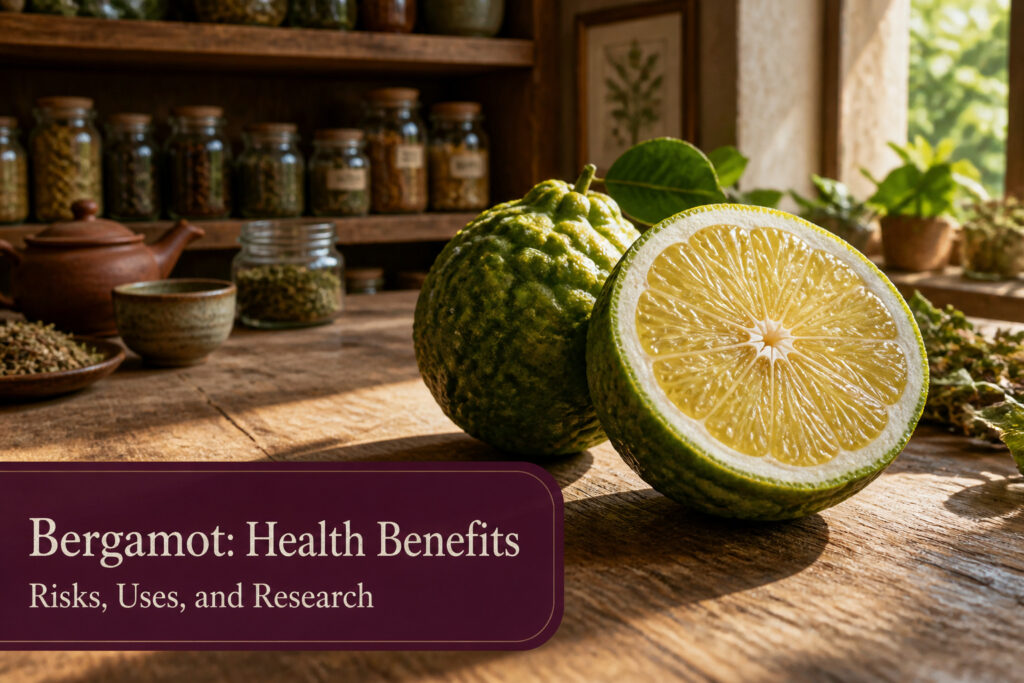
Bergamot is a sour citrus fruit grown almost exclusively around Reggio Calabria in southern Italy, valued for the intensely flavored oil pressed from its rind. That oil gives Earl Grey tea its signature scent, but the same polyphenols that make it aromatic also interact with cholesterol production in the liver, which is why bergamot extract has shown up in clinical trials measuring LDL and HDL shifts at the 30-day mark. The catch: no established dosage exists, and the same blood sugar mechanism that may smooth out energy crashes can push people on diabetes medication into unsafe territory.
What Bergamot Actually Is
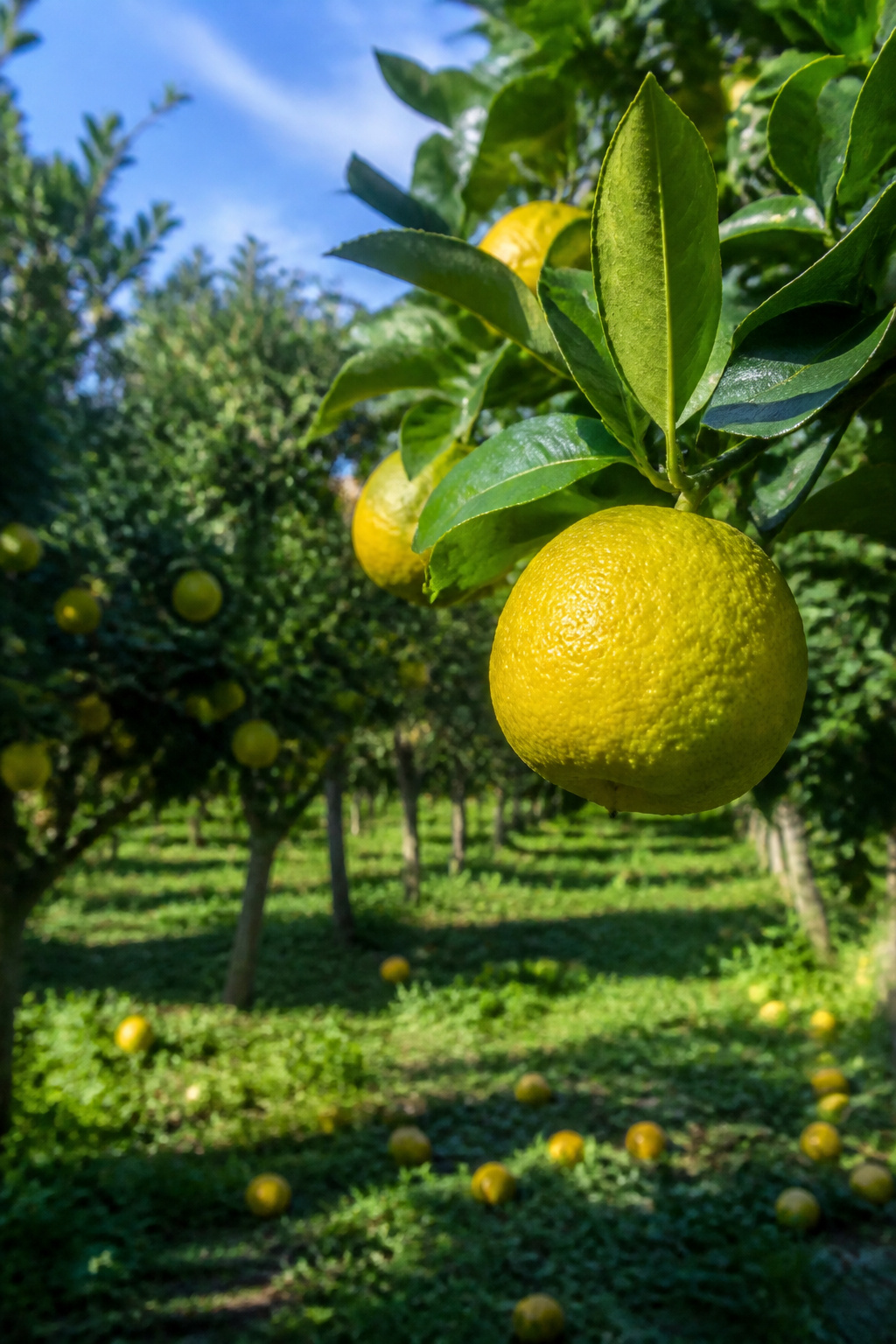
Citrus bergamia, the bergamot orange, grows almost exclusively in a narrow strip of southern Italy around Reggio Calabria. The fruit looks like a round, slightly flattened lemon and ripens from yellow-green to deeper yellow, though researchers who have traced its origins believe it is actually a hybrid of lemon and bitter orange, not a true species of its own.
The season runs October to March, and the fruit is too sour to eat raw; its value lies in the intensely flavored oil pressed from the rind. It takes roughly 100 bergamot oranges to yield about 3 ounces of that oil. The same oil gives Earl Grey tea its distinctive floral-citrus note, and perfumers have used it since at least the early 1700s for its elusive, slightly spicy quality that sits somewhere between lemon and something you cannot quite name.
Cholesterol Numbers
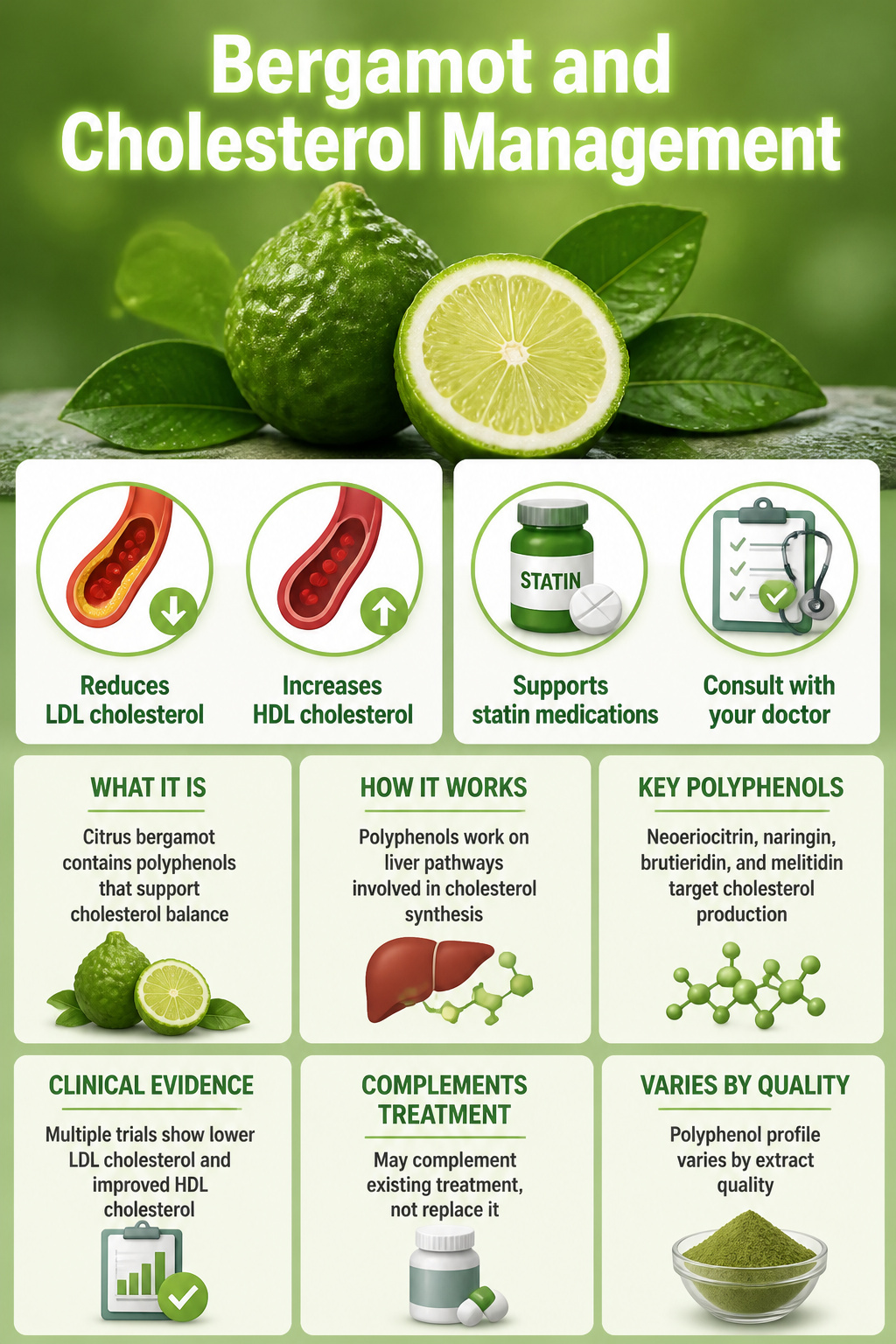
Citrus bergamot contains a set of polyphenols that appear to interact with how the liver produces cholesterol. Neoeriocitrin and naringin, two of the flavonoids found in the fruit, help reduce LDL oxidation and support metabolic function, while brutieridin and melitidin are thought to work on the same hepatic pathways that statin medications target, specifically the HMG-CoA reductase enzyme involved in cholesterol synthesis. Multiple clinical trials have shown that bergamot extract decreased LDL cholesterol and improved HDL cholesterol, the ratio most doctors watch.
Several studies have shown that bergamot may help reduce overall cholesterol and "bad" LDL cholesterol. It may also help increase "good" HDL cholesterol and has the potential to be an effective supplement to cholesterol drugs.
— WebMD
What this means for anyone already managing cholesterol: bergamot may complement existing treatment, not replace it. The research points to benefits for people whose numbers are already within normal range, and the polyphenol profile varies by extract quality. If you are on cholesterol medication, the standard warning applies: talk to your doctor before adding bergamot, because the same liver pathways are in play.
Inflammation and Joint Pain
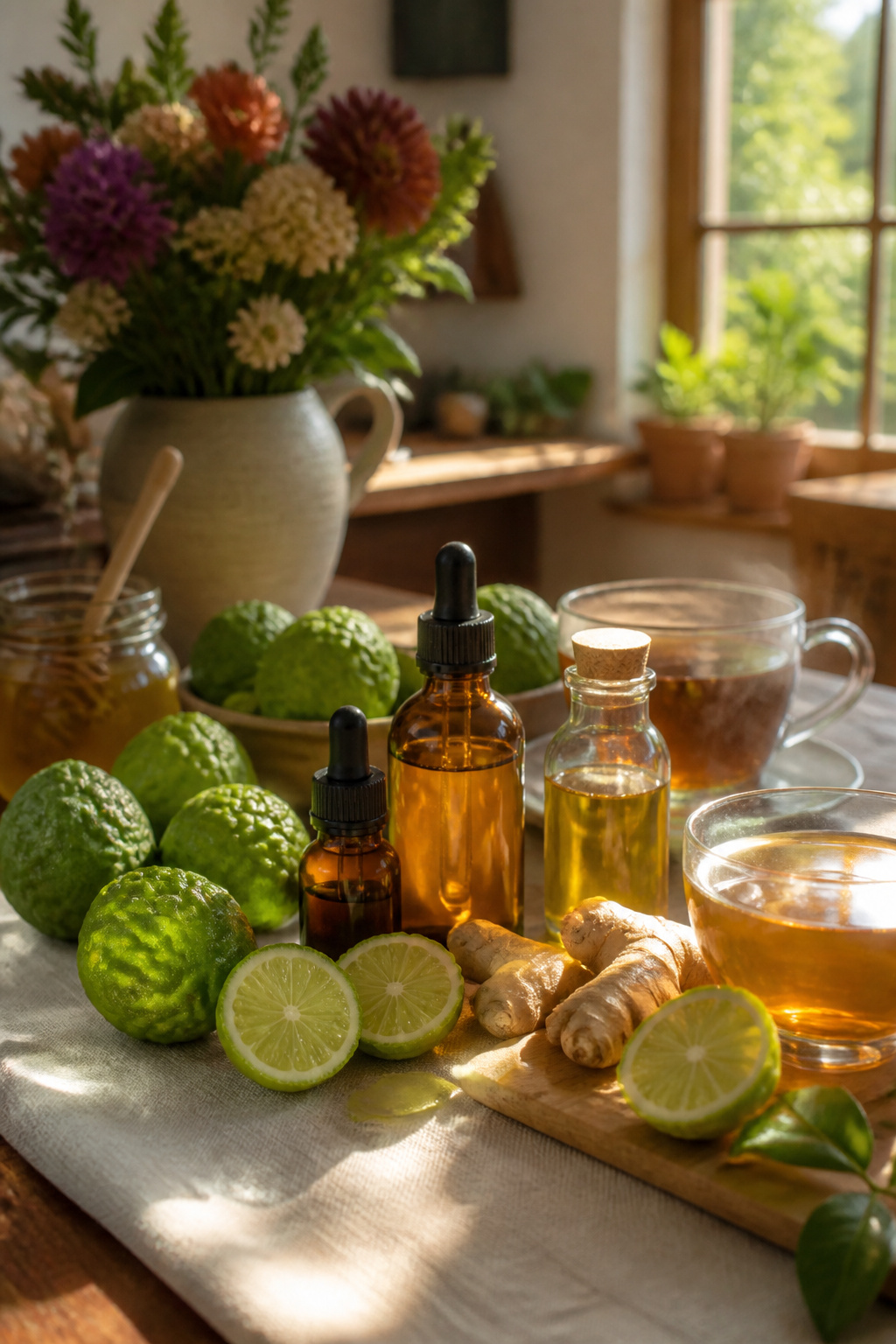
Polyphenols in bergamot, particularly apigenin and luteolin, appear to support a healthy inflammatory response, which is where the joint pain relief some people report may come from. A 2016 animal study in PharmaNutrition found bergamot’s polyphenolic fraction protective against several pain models, suggesting the same compounds that help with inflammation might also ease how joints feel during movement. The connection to heart health runs through the same mechanism: these polyphenols remove free radicals and reduce inflammation, which benefits both cardiovascular tissue and the kind of systemic inflammation that can make joints stiff. WebMD notes that scientists are still studying bergamot for inflammation management, so the evidence is promising but not settled. For now, the overlap looks like this: the same brutieridin and melitidin that interact with cholesterol pathways, plus apigenin’s specific anti-inflammatory role, give bergamot a dual profile that links metabolic health and joint comfort without separating cleanly into two different benefits.
Depression Symptoms

Bergamot’s most talked-about effect on mood comes through the nose, not the stomach. Aromatherapy blends that include bergamot oil have shown promise for easing depression symptoms in specific groups: older adults, people with terminal cancer, and women at high risk of postpartum depression. The studies are early and the sample groups narrow, so calling it a treatment for depression across the board would be premature. Animal studies have also hinted at mood benefits, but human trials beyond those three populations haven’t confirmed anything yet. For someone already using a diffuser or massage oil routine, swapping in bergamot is a low-bar experiment; for anyone managing diagnosed depression, it belongs alongside conventional care, not in place of it.
Anxiety and Stress

Bergamot oil sits on the sharper, more energizing side of calming scents, which makes it useful when anxiety shows up as restlessness rather than heaviness. A 2015 study in the journal Fitoterapia found that inhaling bergamot essential oil for fifteen minutes lowered salivary cortisol and heart rate in healthy women exposed to a stressful task. The effect was tied to inhalation, not ingestion, so the delivery method matters here.
Where the depression research leans on blended aromatherapy formulas used in clinical settings, the anxiety work points toward simpler, personal use: a few drops in a diffuser before a demanding meeting, or diluted into a rollerball for pulse points during travel. The distinction is worth keeping straight because the two conditions get conflated in marketing copy, but the applications and the evidence behind them split in different directions.
For my own use, bergamot works best as a midday reset rather than a sleep aid; paired with something woody like cedar, it keeps the edge off without flattening alertness the way lavender sometimes can. The oil is phototoxic on skin, so any daytime application needs to stay under clothing or wash off before sun exposure.
Hunger and Cravings

Bergamot’s effect on hunger runs through the same blood sugar mechanism that makes it risky for some people. In the 2011 Fitoterapia study, patients with high cholesterol and elevated blood sugar took full-spectrum bergamot extract for 30 days. Their markers improved. That steadier glucose curve matters for cravings because the crash-and-spike cycle is what sends most of us to the snack drawer by 3 p.m.
The drop you want is the gradual kind, not the sharp one that leaves you shaky and hunting for crackers. A 500mg or 1000mg dose of citrus bergamot extract appears to smooth out those swings, which for some people translates to fewer urgent hunger signals between meals. The same trials that tracked lipid improvements also noted better blood sugar control, so the connection is not theoretical.
If you already run low blood sugar or use diabetes medication, this benefit flips to a hazard. The supplement that steadies one person’s appetite could push another into unsafe territory. That two-week pre-surgery cutoff exists precisely because anesthesiologists need predictable glucose, not bergamot-assisted lows. For everyone else, the craving angle is worth watching, but start low and track how you actually feel before lunch.
Hair Growth
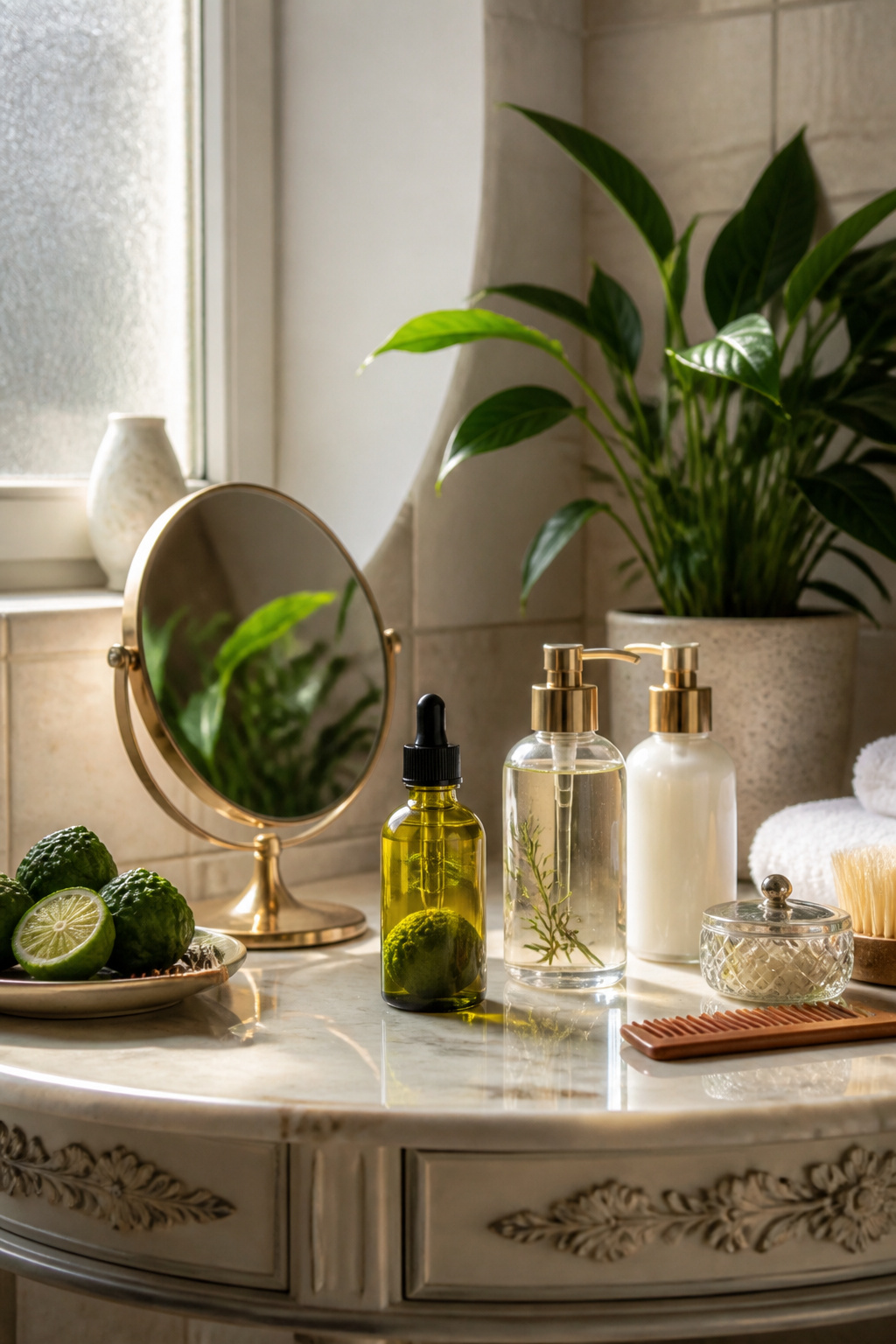
Bergamot oil has been studied for its possible role in promoting hair growth, though the evidence stays fairly narrow. One animal study found that a compound extracted from bergamot applied to shaved skin appeared to speed up regrowth compared to untreated areas. The researchers pointed to anti-inflammatory and circulation effects as the likely mechanism, but this was on mice, not people, and the oil was a purified fraction rather than the bottle you would buy.
A separate laboratory study looked at how bergamot extract interacts with human hair follicle cells in a dish. The cells survived longer and showed markers of continued growth under certain concentrations. That is a long way from proving thicker hair on an actual head, and the concentration that worked in the petri dish would not translate directly to a few drops of essential oil diluted in shampoo.
What neither study addressed is whether ordinary bergamot oil, as sold for aromatherapy, delivers enough of the active compounds to make a difference on human scalps. The risk of phototoxicity also complicates any leave-on scalp use; bergamot contains furanocoumarins that can burn or discolor skin when exposed to sunlight. Anyone experimenting with it for hair would need to wash it out thoroughly and keep the scalp covered afterward, which limits practical application to evening routines at best.
Skin and Antiseptic Uses
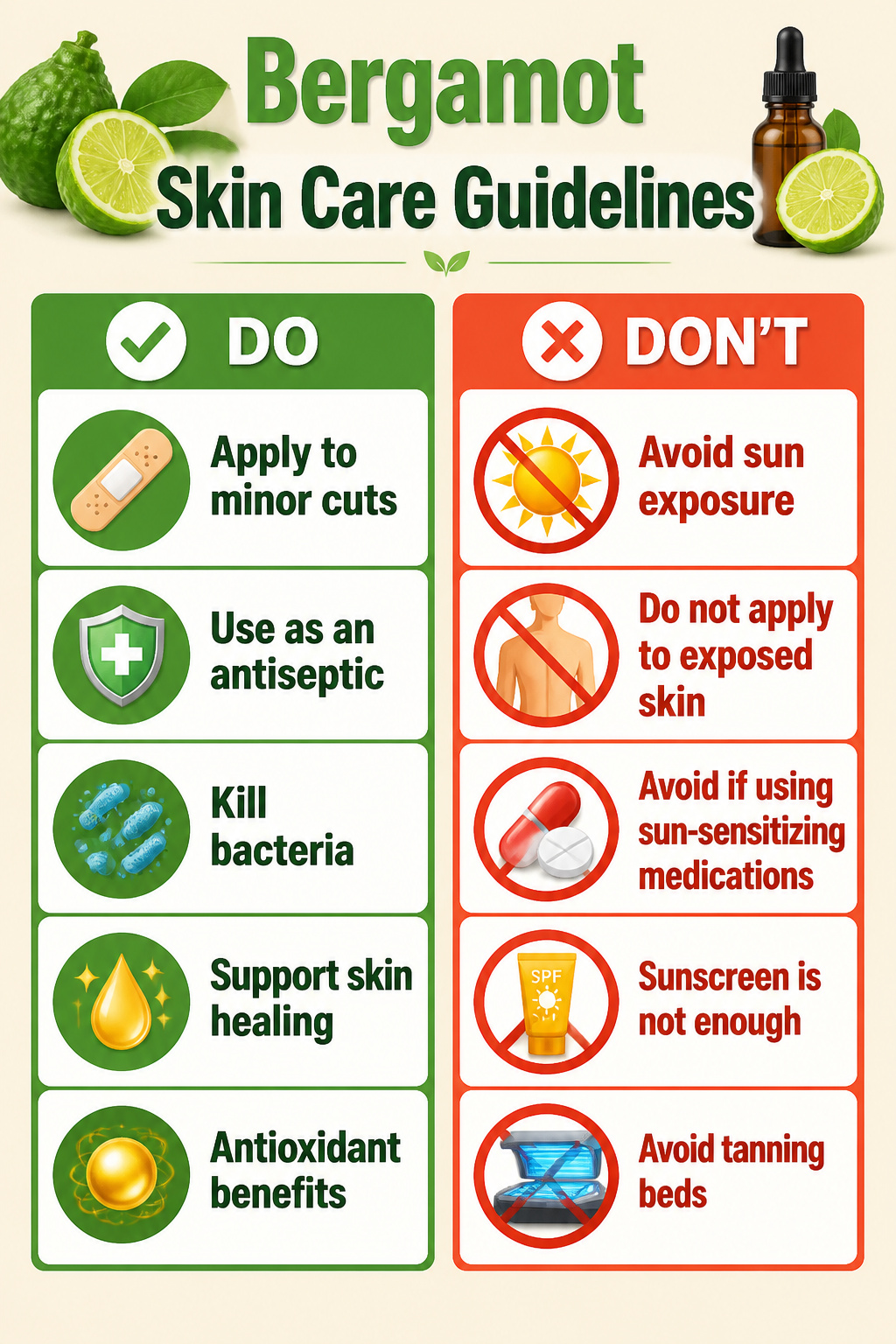
Bergamot oil carries genuine antiseptic properties that make it useful for minor skin concerns. The oil can help kill bacteria and prevent infection around small cuts or scrapes, and its antioxidant content appears to speed up how quickly skin heals. That same potency comes with a serious catch, though. Bergamot oil increases sun sensitivity dramatically, a problem that used to show up in tanning products decades ago. Psoralens in the oil are photocarcinogenic, meaning they can turn sunlight into a skin cancer risk rather than a minor burn. If you apply it anywhere your skin might see daylight, sunscreen alone is not enough protection. The safer play is to keep bergamot treatments to covered skin, or skip topical use entirely and look to other applications where the risk does not shadow the benefit.
How People Actually Use It
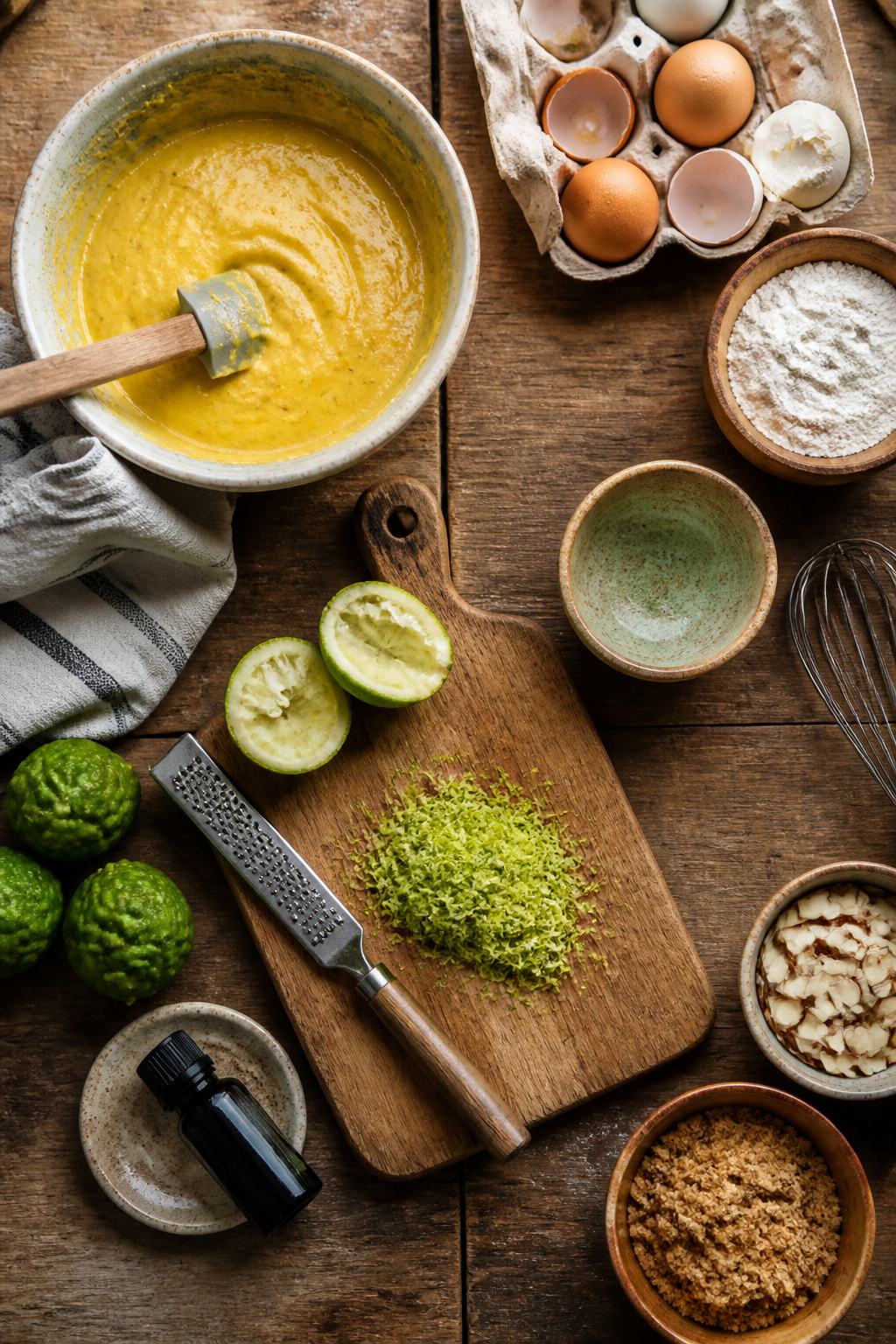
Most people I know started with the smell, not the pills. Bergamot essential oil runs about three drops per teaspoon of carrier oil if you’re putting it on skin, or straight into a diffuser with water if you just want the air to change. The same oil mixes into spray bottles or bowls of steaming water, though water alone doesn’t dissolve it as cleanly.
The supplement route is where I’d pause. Bergamot extract shows up in capsules marketed for cholesterol and healthy aging, and some studies saw lipid shifts around the 30-day mark with consistent use. Still, I’d talk to a doctor before starting, especially if you’re already on cholesterol or blood sugar medications. CoQ10 depletion hasn’t shown up in bergamot research specifically, but it’s worth asking about if you’re comparing it against statins.
In the kitchen, the fruit itself is too sour to eat raw. The zest is what saves it: grated into cake batter or cocktail syrups where sugar and heat balance the acidity. Earl Grey tea drinkers already know the flavor, since that’s bergamot oil scenting the black tea leaves.
Hair claims float around too, reducing frizz or helping dandruff, though the evidence is thin enough that I’d call it experimental. Once or twice weekly, watch for a month, and decide if it’s worth the dropper.
Side Effects and Risks
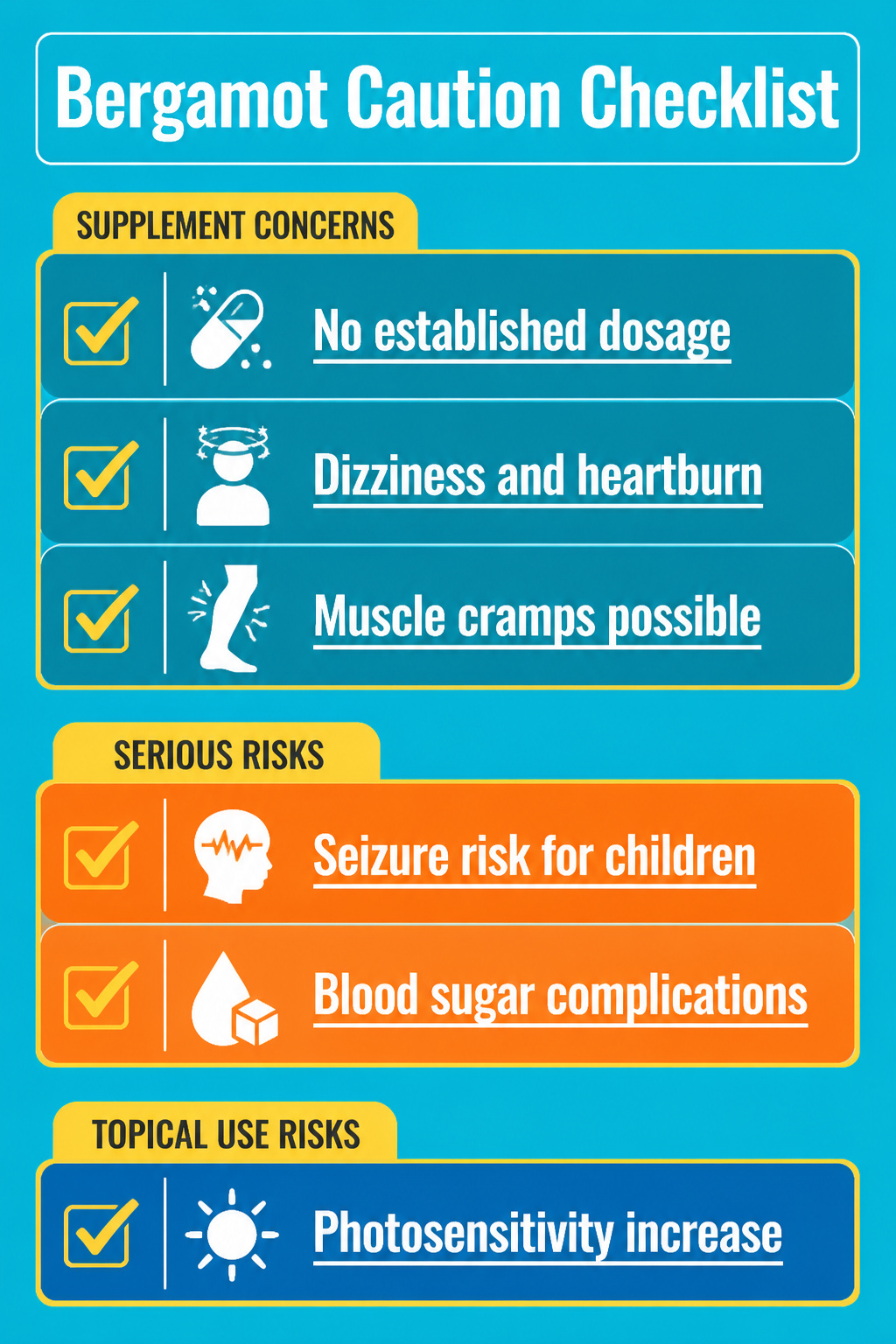
Bergamot carries real risks that get glossed over in the wellness conversation, and the gap in solid guidance makes caution even more necessary. No established dosage exists for bergamot supplements, which leaves you guessing at safe amounts.
The milder side effects that show up in use include:
- Dizziness, sometimes with food
- Heartburn
- Muscle cramps, including from bergamot oil in tea
The serious risks demand more weight:
- Children have experienced seizures after consuming bergamot oil, with severity tied to larger amounts. Fatal outcomes have occurred.
- Blood sugar can drop sharply enough to reach unsafe levels, particularly if you have diabetes. Even without diabetes, bergamot complicates surgical blood sugar control; stopping supplements two weeks before any surgery is the standard advice.
- Skin application carries its own hazards. Bergamot oil increases photosensitivity, raising the risk of photodermatotoxicity and, historically, contributing to melanoma cases through now-banned tanning products. Rashes are common. Dilution is non-negotiable, and the oil should be avoided entirely if you take sun-sensitizing medications like amitriptyline, ciprofloxacin, or tetracycline. Pregnancy and breastfeeding add further restrictions against skin use.
What the Research Still Owes Us

No specific dosage guidelines exist for bergamot supplements, and that alone is reason enough to bring a bottle to your doctor rather than starting it solo. The studies showing cholesterol changes used different amounts and different extracts, so "how much" is still an open question you will need help answering for your own body weight and medication list.
Long-term effects are equally uncharted. Trials tracked people for about 30 days of consistent use, not years, so anyone considering bergamot for ongoing cholesterol management is stepping past where the evidence ends. The same gap shows up when you try to compare it with statins: no head-to-head study exists, and the supplement makers themselves state it is not intended to replace prescription medication. That is not modesty. It is an honest admission that the research has not been done.
What this means in practice: ask your doctor whether bergamot fits your plan, how it might interact with drugs you already take, and what markers you should recheck if you do try it. The questions are concrete even when the answers are not.
Frequently Asked Questions
What are the medical benefits of bergamot?
Bergamot may help reduce LDL cholesterol and raise HDL cholesterol by acting on the same liver pathways that statin medications target. Its polyphenols, including brutieridin and melitidin, also support a healthy inflammatory response and may ease joint discomfort. The evidence is strongest for cholesterol, with multiple clinical trials showing measurable shifts around the 30-day mark.
What are the health benefits of bergamot tea?
Bergamot tea delivers the same cholesterol-related polyphenols found in extracts, plus the aromatherapy effect of the oil itself. Earl Grey drinkers get both the metabolic compounds from the rind and the mood-lifting citrus scent that studies have tied to reduced cortisol and heart rate under stress. The tea form does not carry the phototoxicity risk of oil applied to skin.
Are there any side effects of bergamot?
Mild effects include dizziness, heartburn, and muscle cramps. Serious risks involve dangerous blood sugar drops, seizures in children who consume the oil, and severe sun sensitivity from topical use that can lead to burns or worse. Stop all supplements two weeks before surgery because bergamot complicates glucose control under anesthesia.