

Sea buckthorn is a bright orange berry that delivers omega-7 fatty acids, flavonoids, and roughly 200 bioactive compounds across its fruit, seeds, and leaves. The catch is that its benefits vary sharply by form: oil handles blood pressure and lipid markers, while pomace fiber binds cholesterol through an entirely different mechanism. A 2017 study found that just 0.15 teaspoons of the oil daily reduced hypertension, though people with already-normal numbers saw little change.
Cardiovascular Health
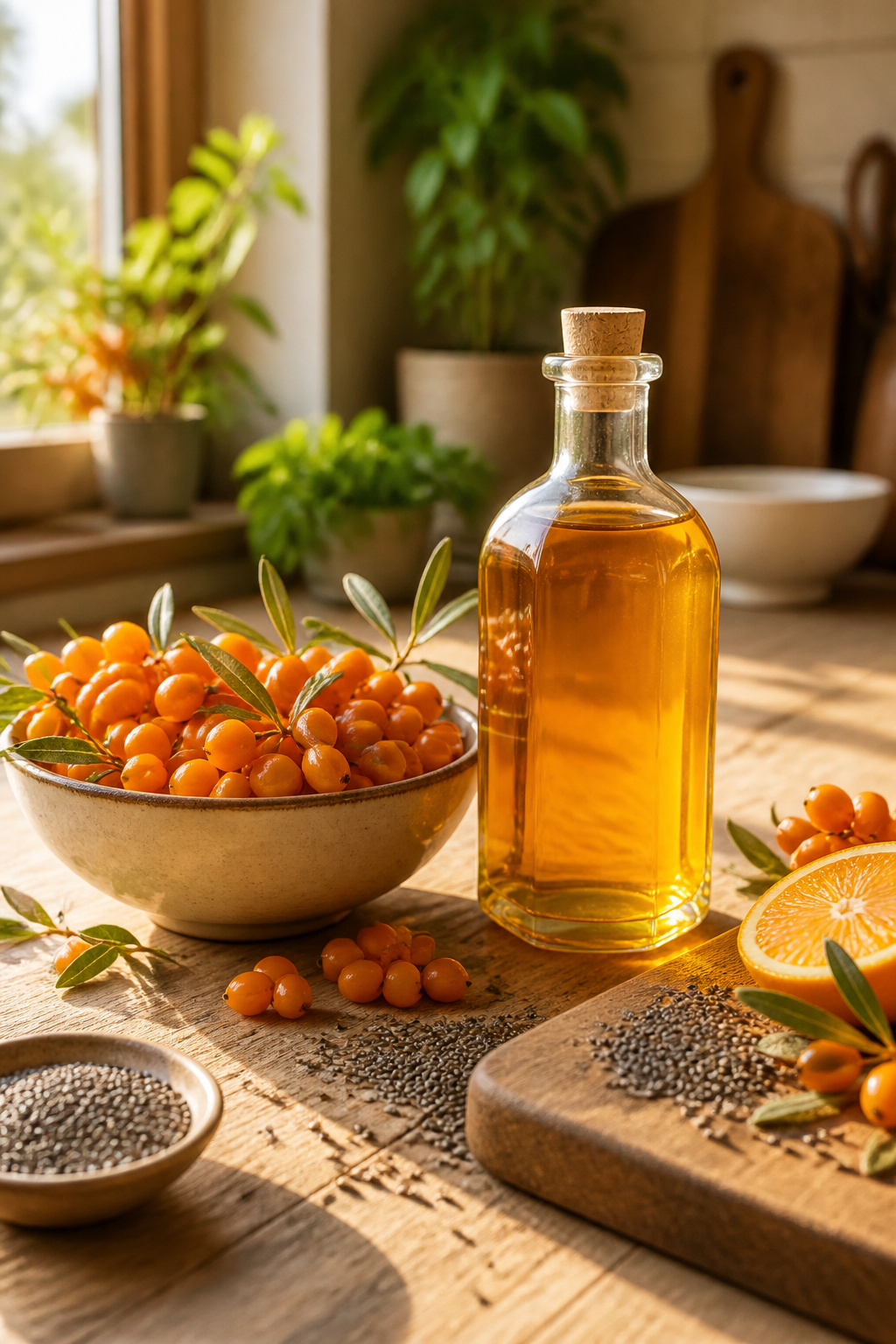
Sea buckthorn’s flavonoids and omega fatty acids, particularly omega-7, do measurable work on cardiovascular markers. The flavonoids isorhamnetin and quercetin function as antioxidants that correlate with reduced cardiovascular disease risk in population studies, while the berry’s phytosterols, including β-sitosterol, campesterol, and stigmasterol, block intestinal cholesterol absorption and lower LDL-C. A 2017 study found that 0.15 teaspoons (0.75 mL) of sea buckthorn oil daily reduced blood pressure levels in people with hypertension, with triglycerides and total and LDL cholesterol dropping as well in those who started with high levels. The benefit was less pronounced for people whose numbers were already normal. Animal research adds a mechanistic picture: sea buckthorn extract reduced serum and liver triglycerides by nearly 50% in high-fat diet-induced obese mice through AMPK activation and improved insulin signaling, though that pathway still needs human confirmation. For shoppers comparing functional foods, the cholesterol-binding capacity of sea buckthorn berry pomace fiber sits at 21–23 mg/g, comparable to or better than other fruit-derived fibers. The form matters: oil delivers the omega-7 and phytosterol dose for blood pressure and lipid effects, while the pomace fiber handles cholesterol binding through a different route.
Skin Health
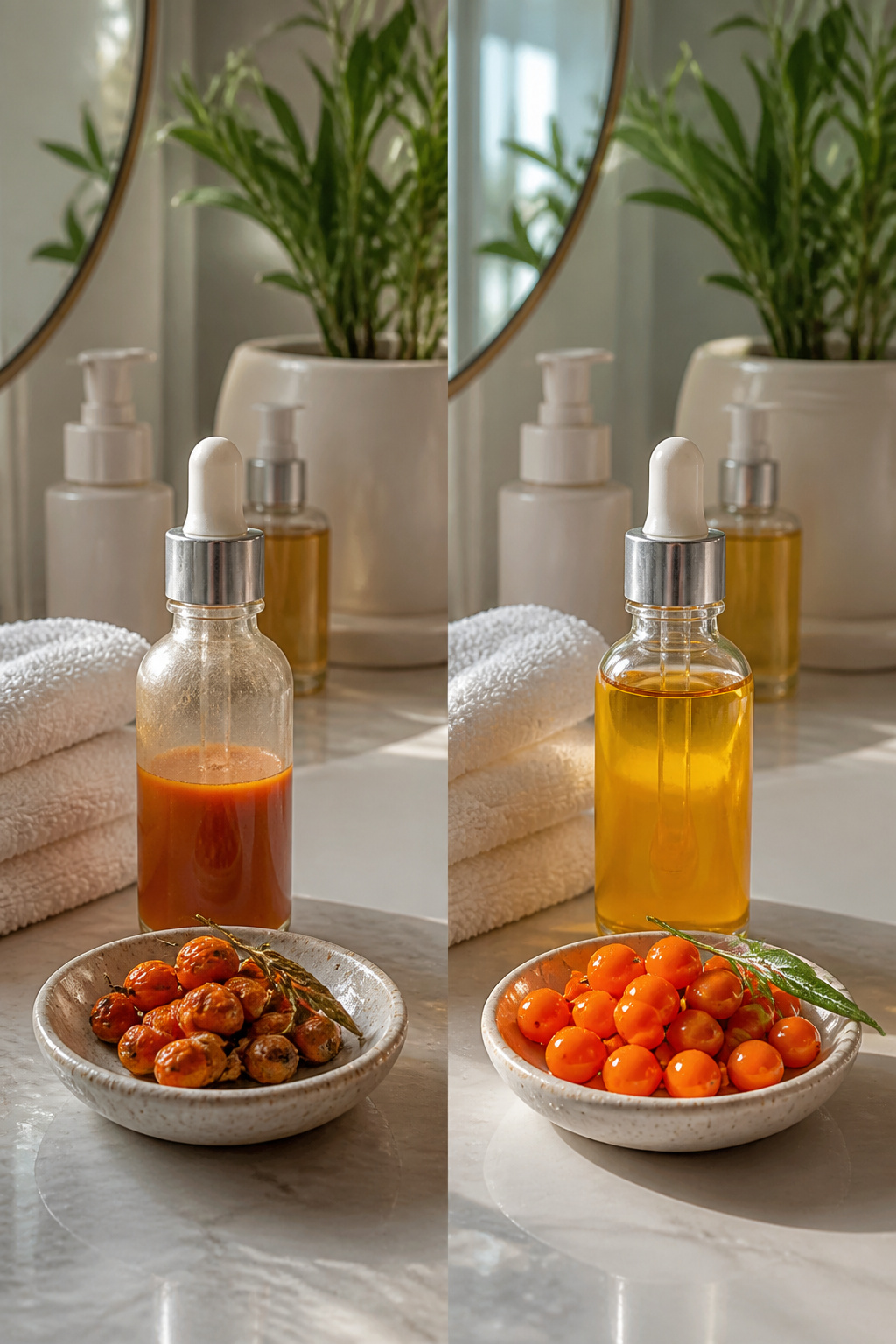
Sea buckthorn oil shows up in skincare formulas for a reason: it carries palmitoleic acid, omega-3 and omega-6 fatty acids, tocopherols, and carotenoids that help skin hold moisture and keep its elasticity. The palmitoleic acid, an omega-7 fat naturally present in human skin, matters here because it directly supports the barrier function that keeps water in and irritation out.
For anyone dealing with burns, the evidence gets specific. A randomized trial found that a 40% sea buckthorn cream shortened healing time for second-degree burns by roughly 5 days compared to standard silver sulfadiazine treatment. The oil’s compounds also appear to stimulate collagen formation and cell proliferation, which explains the faster tissue repair. Much of the mechanistic backing still comes from in vitro and animal studies, with human trial data more limited for conditions like eczema or UV damage, though the combined topical and oral use of berry extracts has been studied for inflammatory skin conditions. If you’re scanning ingredient lists, sea buckthorn is commonly added to products targeting dry, irritated, or aging skin, and it is one of the few plant sources supplying all four omega fatty acids: 3, 6, 7, and 9.
Cancer Support

Flavonoids in sea buckthorn, particularly quercetin, have shown some ability to inhibit cancer cell growth in laboratory and animal studies. A 2020 review found that quercetin appeared to help kill cancer cells across in vitro, in vivo, and ex vivo experiments. Carotenoids and vitamin E in the berry may offer additional protective effects.
A 2018 review of animal studies suggested sea buckthorn extracts could help prevent the spread of cancer cells and protect healthy cells from damage during radiotherapy. That second point matters if it holds up, since radiation harms tissue around the tumor along with the cancer itself.
None of this has been tested in human trials yet. The research is promising enough that I keep an eye on it, but promising is not proven. Anyone considering sea buckthorn alongside cancer treatment should discuss it with their oncologist first, not treat it as a replacement for standard care.
Immune System Boost

Sea buckthorn’s antioxidant load is what gives it any real shot at immune support. Flavonoids like quercetin and isorhamnetin, plus carotenoids and polyphenols, work together to knock down reactive oxygen species by roughly 25% in lab models while blocking lipid and protein oxidation by up to 60%. That kind of cell protection matters for immune cells, which take a beating from oxidative stress during an active response.
The berry also appears to nudge the body’s own defenses upward. In animal and cell studies, sea buckthorn leaf extract bumped up superoxide dismutase and glutathione peroxidase, two enzymes that clean up cellular damage. Immune cells in these models showed better survival rates after treatment.
Palmitoleic acid, an omega-7 fat concentrated in the oil, gets mentioned for immune modulation too, though the human data behind it is thin.
The catch is that almost none of this has been confirmed in actual people. What exists is promising in vitro and animal work, not clinical trials. If you’re considering sea buckthorn for immunity, you’re betting on mechanism, not proof.
Liver Health
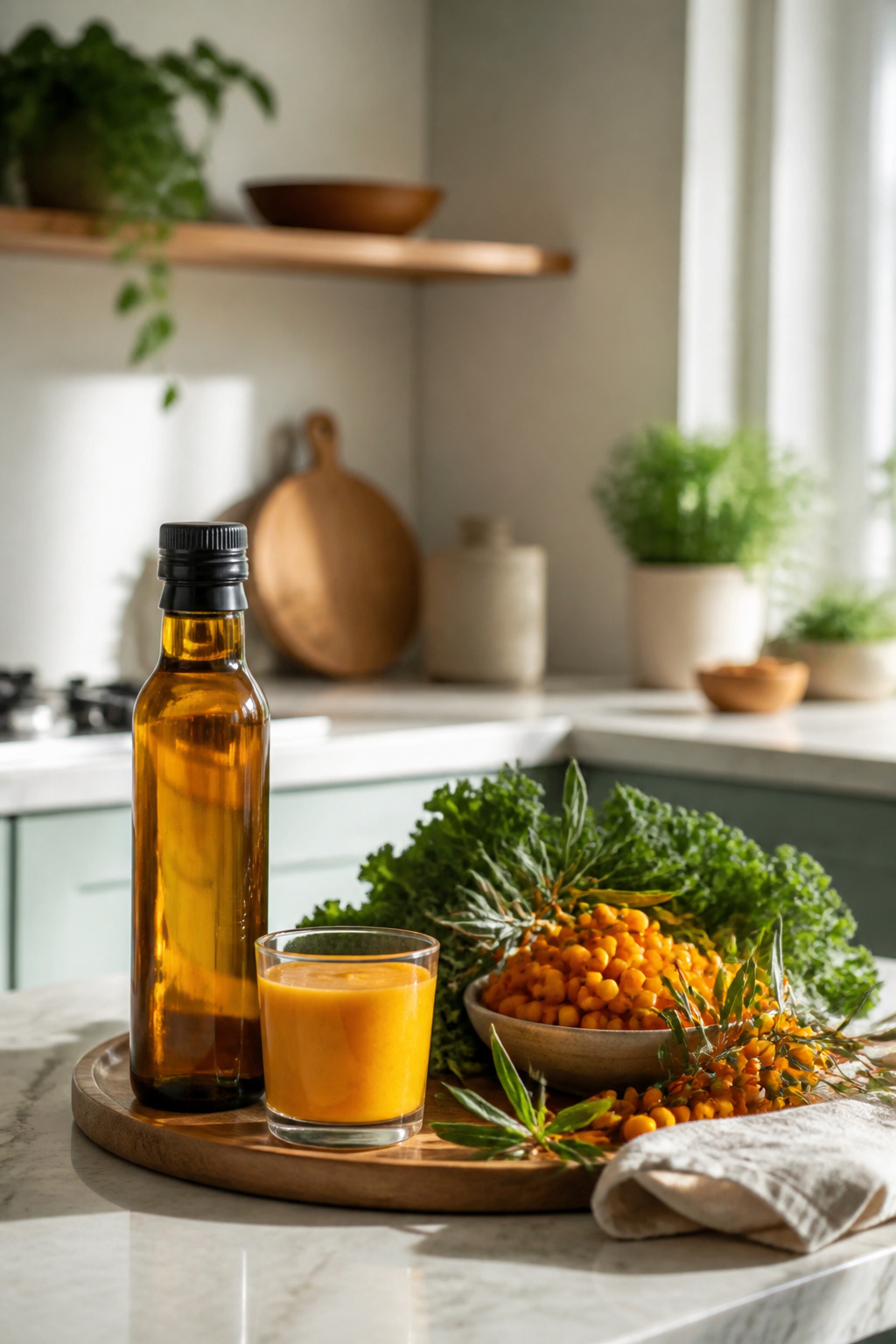
Sea buckthorn oil carries healthy fats, vitamin E, and carotenoids that appear to shield liver cells from damage. In a 2018 rat study, several compounds in the oil helped reduce inflammation, injury, and fibrosis while promoting healing in liver tissue. A 2020 study on mice with alcohol-associated liver disease found that a fermented sea buckthorn liquid improved liver function markers and gut microbiome balance.
The human data that exists is more striking than the animal work. In people with cirrhosis, 80% saw blood indicators return to normal while taking 15 grams three times daily. That dosage is substantial, and the finding comes from a specific clinical context rather than general prevention. For someone already managing liver concerns, this points toward a measurable effect on actual disease markers, not just theoretical protection.
What keeps me from treating this as settled is the gap between those results and broader confirmation. The animal studies line up directionally, but human trials remain thin. Sea buckthorn looks promising for liver support, yet anyone with existing liver conditions should discuss it with their clinician before layering it onto current treatment.
Blood Sugar Regulation

Sea buckthorn oil may help manage blood sugar levels by promoting insulin secretion and improving how sensitive cells are to insulin. A 2021 study with 38 people who had impaired blood sugar regulation, a risk factor for type 2 diabetes, tested this directly. One group drank 3 ounces (90 mL) of sea buckthorn puree daily for 5 weeks, while the other group got a placebo. The sea buckthorn group saw a significantly larger decrease in fasting blood sugar levels. That said, the actual drop was only 0.14 mmol/L, which is quite small. The takeaway is promising but modest: better insulin secretion and sensitivity do lower type 2 diabetes risk, but more research is needed to understand how sea buckthorn fits into blood sugar management.
Digestive Health
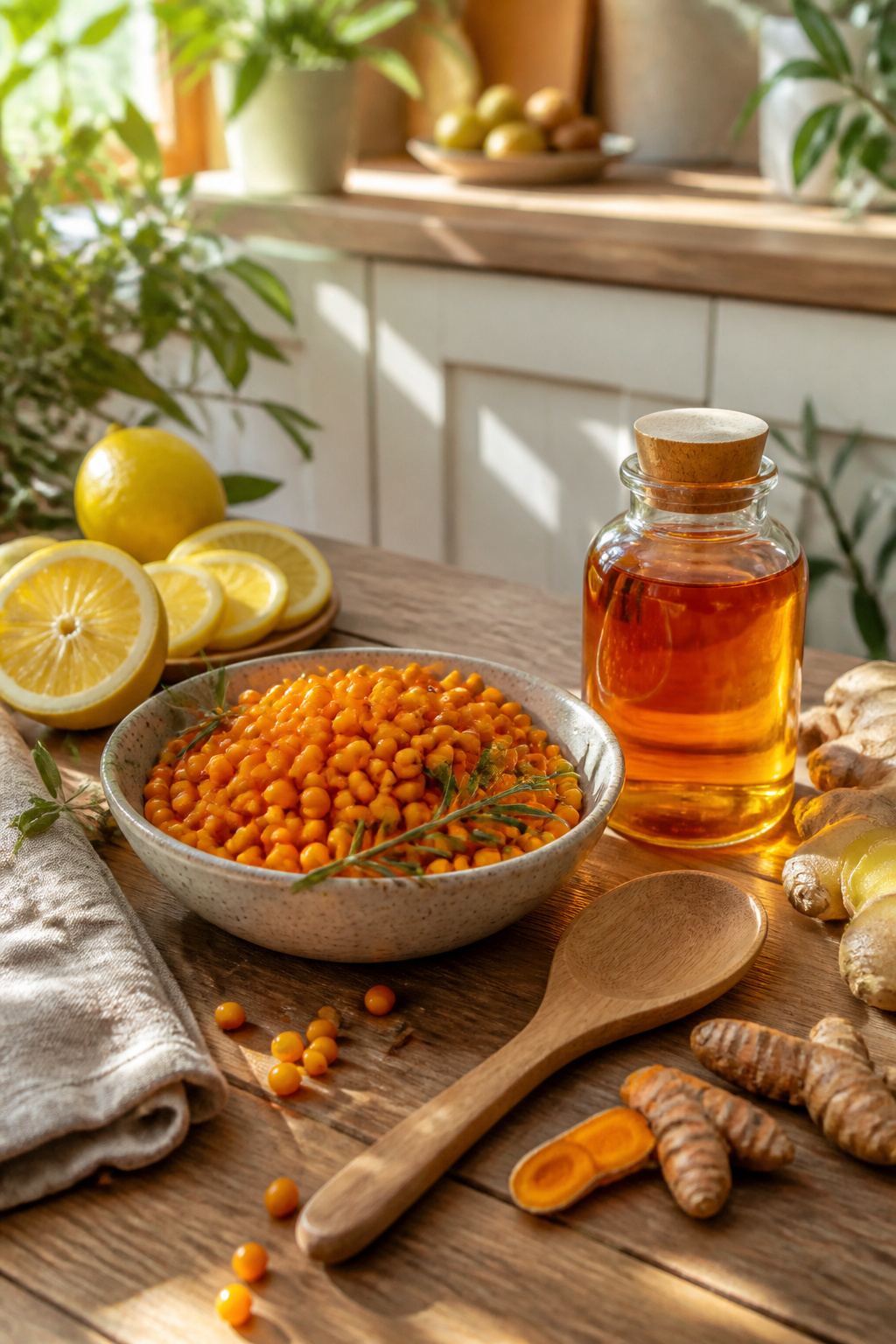
Sea buckthorn oil may help reduce gastrointestinal inflammation and prevent stomach ulcers, though the evidence remains preliminary. Across the Himalayas, traditional medicine has long used these bright orange berries for digestive ailments, a practice supported mainly by ethnopharmacological records rather than large clinical trials. Modern experimental studies are beginning to validate that history, with emerging research pointing toward benefits for gut health. The oil’s anti-inflammatory properties likely play a role, but more clinical work is needed before anyone should treat it as a proven remedy. For now, it sits in that familiar space where traditional use and early science overlap without quite meeting.
Anti-inflammatory Effects
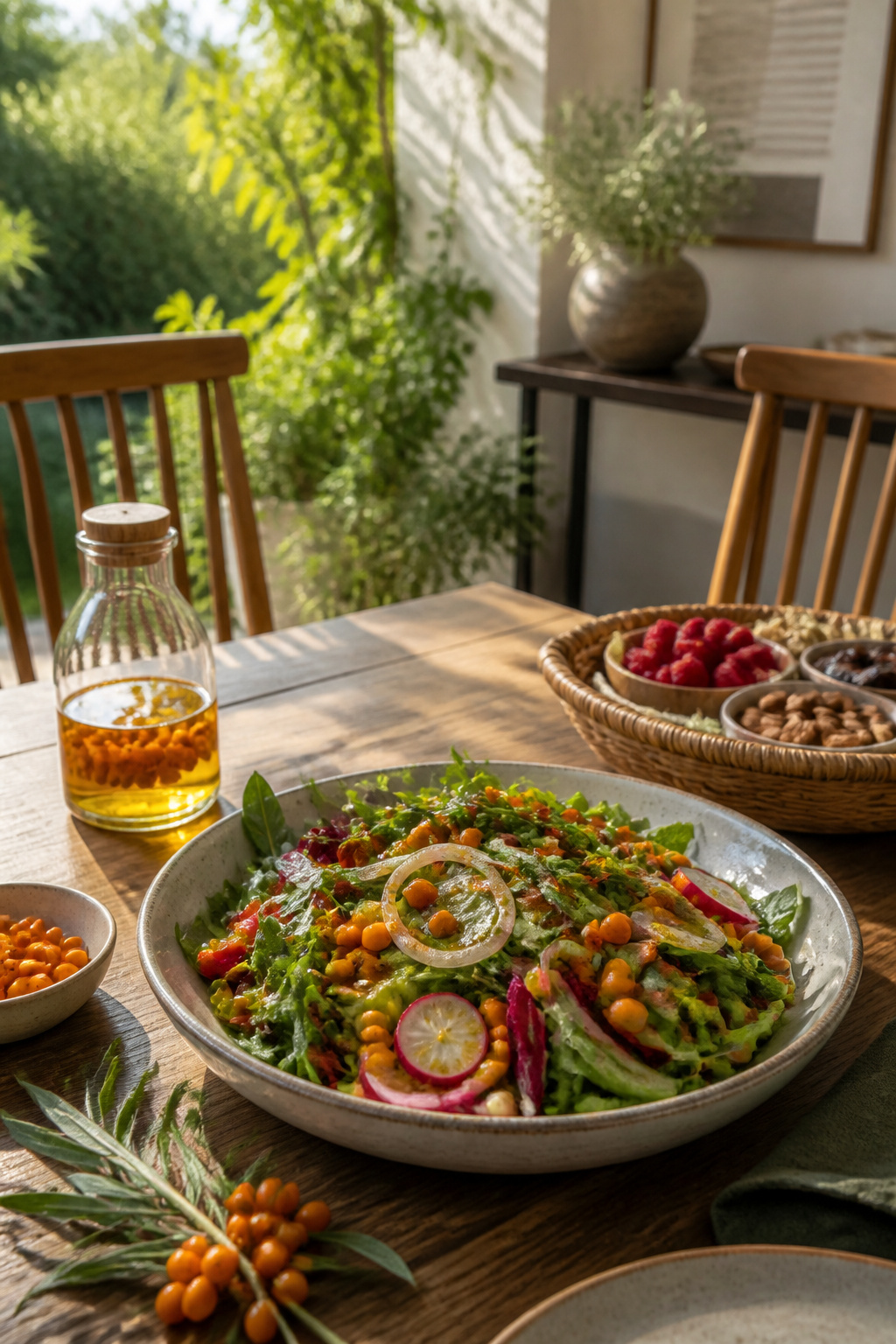
Inflammation sits at the root of most chronic disease, and sea buckthorn appears to address it through several distinct pathways. The berry’s phytosterols and flavonoids, including quercetin, kaempferol, and isorhamnetin, work as antioxidant and anti-inflammatory compounds that protect tissue from the oxidative stress that drives inflammatory damage. This same mechanism connects to heart health: palmitoleic acid, an omega-7 fatty acid rarely found in plant sources, helps lower cholesterol and reduce inflammation alongside the more common omega-3, 6, and 9 fatty acids the oil delivers.
The research on blood pressure offers a concrete marker. A 2017 study found that 0.15 teaspoons (0.75 mL) of sea buckthorn oil daily reduced blood pressure in people with hypertension, with triglycerides and LDL cholesterol dropping as well. The effect was smaller in people whose numbers were already normal, which suggests the anti-inflammatory action targets existing imbalance rather than artificially suppressing healthy function.
Traditional medicine has long used the whole berry rather than extracted oil alone, and modern studies on cancer cells point to why. Several sea buckthorn flavonoids create cytotoxic responses that help stop abnormal cell multiplication, tying the anti-inflammatory properties to broader protective effects against conditions where inflammation and cell overgrowth overlap.
Eye Health

Sea buckthorn oil stands out among the more targeted applications for relief from dry eye symptoms, an area where research has started to sharpen rather than stay speculative. A 2019 study tracked daily sea buckthorn intake and found measurable reductions in eye redness and burning, the two complaints that tend to drive people to eye drops in the first place. The mechanism likely traces back to the oil’s omega fatty acid profile, which supports the lipid layer of the tear film, though the exact pathway is still being mapped. For now, the evidence sits at the emerging stage, not the settled one. If dry eye is your primary concern, sea buckthorn is worth watching but not yet worth banking on alone.
Hair Health
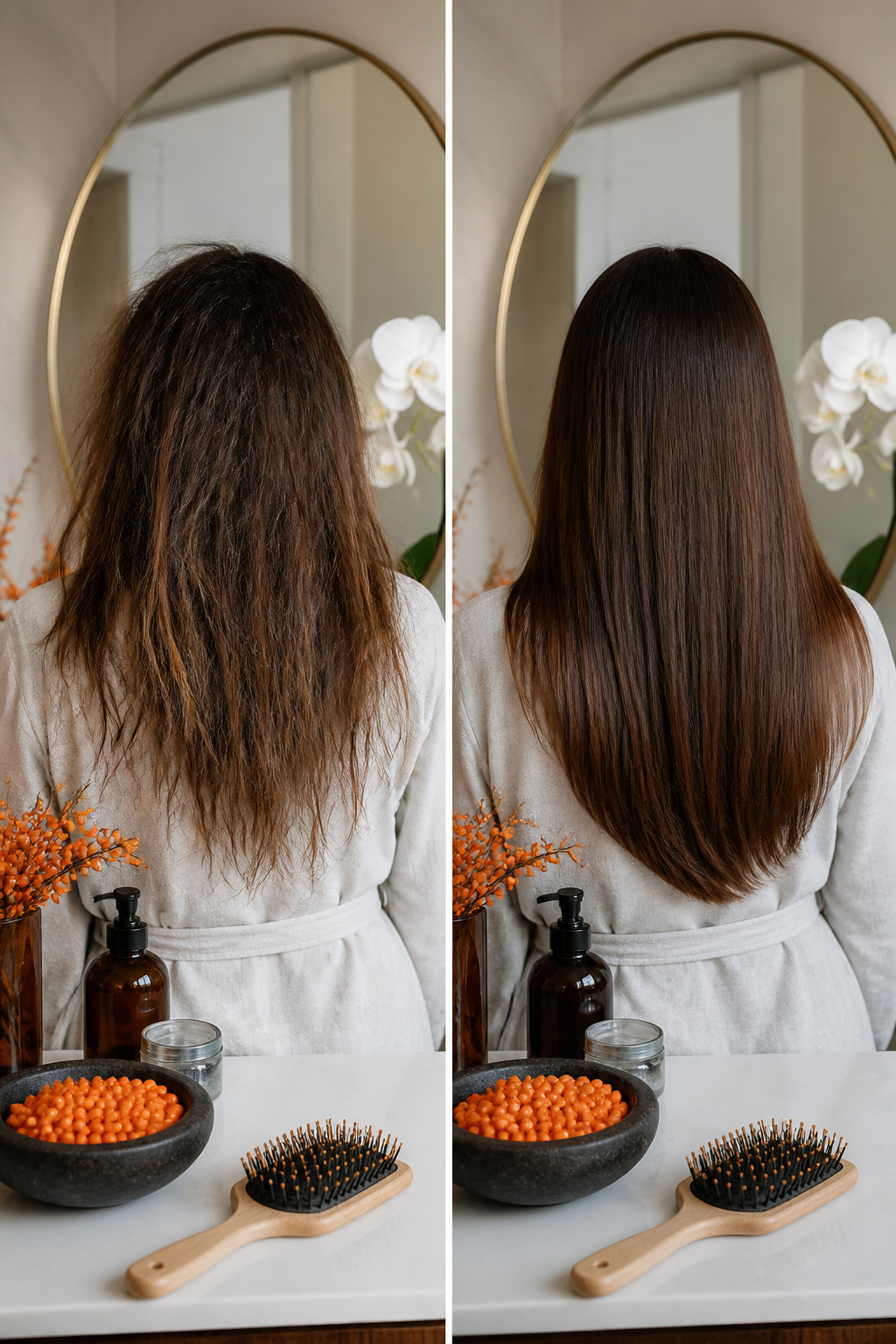
Sea buckthorn oil turns up in shampoos and conditioners for a reason that sits right in its fatty acid profile. The pulp oil is especially rich in palmitoleic acid, an omega-7 fat that helps maintain the lipid barrier keeping hair shafts from drying out and splitting. That same oil carries tocopherols and carotenoids, antioxidants that blunt oxidative damage from heat styling and UV exposure. I look for it in products after learning that the seed oil holds a rare 1:1 ratio of omega-3 to omega-6, which may help calm scalp inflammation that shows up as flaking or tightness.
What actually reaches your hair depends on how the oil was extracted and which plant part went in. The pulp and seed oils have different balances; a product listing only "sea buckthorn oil" without specifying which fraction leaves you guessing whether you’re getting the omega-7-heavy pulp or the more evenly balanced seed version. For damaged hair, the pulp oil’s palmitoleic acid content is the component most tied to strand repair in cosmetic formulations. Oral supplements supply the same nutrients from the inside, though human trials specifically on hair outcomes remain limited compared to the stronger evidence for skin barrier recovery.
What Sea Buckthorn Contains
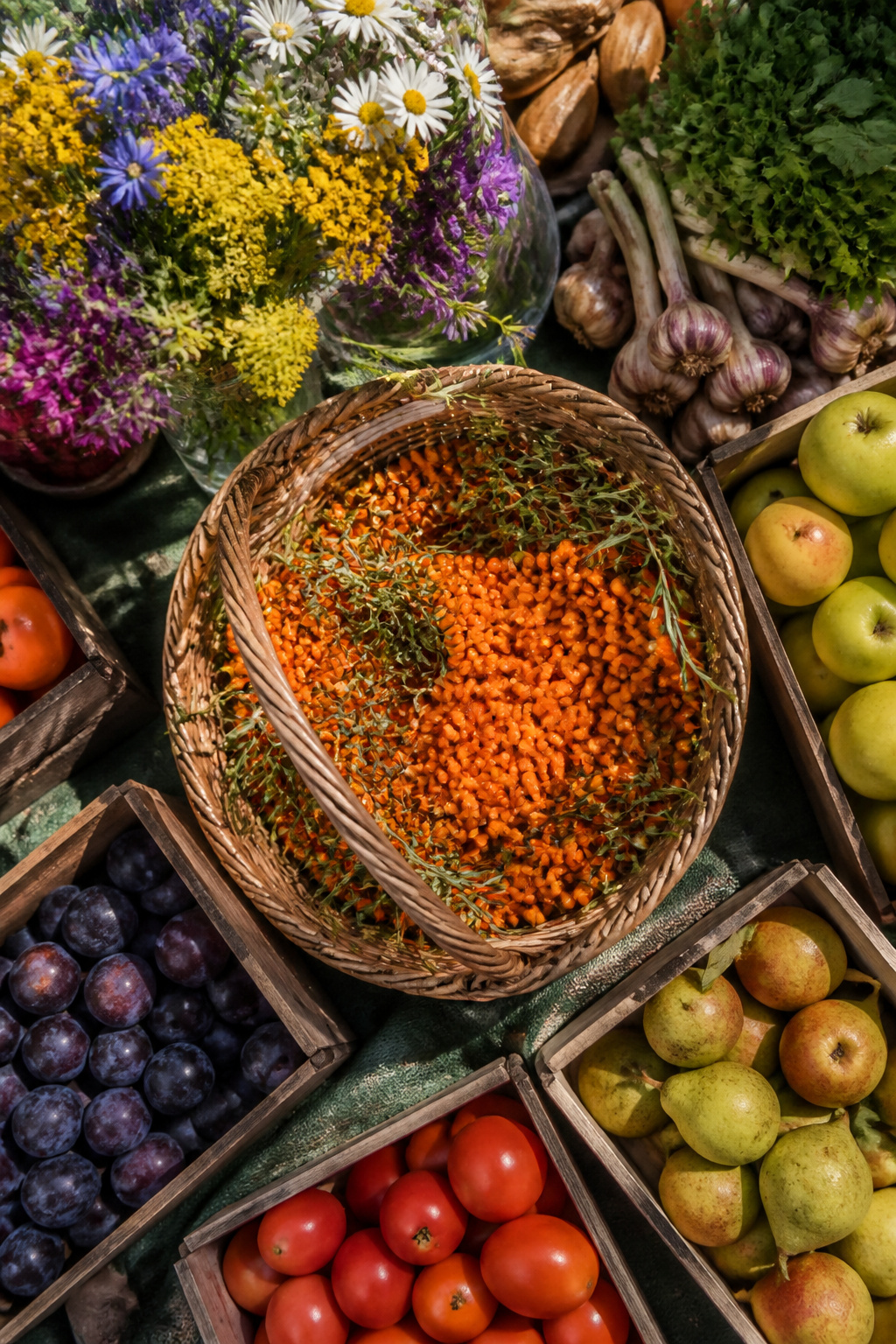
The bright orange-yellow berries of Hippophae rhamnoides carry a nutritional density that still surprises me after reading through the literature. Vitamin C runs anywhere from about 50 to nearly 900 mg per 100 g, a spread so wide it reflects real variability in subspecies, harvest timing, and growing conditions rather than sloppy measurement. Even at the lower end you’re matching an orange; at the upper end you’re in a different category entirely.
Beyond that headline figure, the berries supply vitamins A, E, and K, plus minerals including iron, calcium, magnesium, potassium, copper, and zinc. The antioxidant profile leans on flavonoids like quercetin, isorhamnetin, and kaempferol working alongside carotenoids such as lycopene, β-carotene, zeaxanthin, and lutein. The fatty acids are where sea buckthorn gets genuinely unusual: omega-3, 6, 7, and 9 all appear, with the seed oil hitting a rare roughly 1:1 ratio of omega-3 to omega-6. Pulp oil skews differently, loading up on palmitoleic acid, the omega-7 most people have never tracked on a label.
Researchers have catalogued about 190 to 200 distinct nutritional and bioactive compounds across the plant’s parts. That number sounds like marketing copy until you notice the caveat baked into every serious source: abundance swings hard with genotype, climate, and how the berries were processed after picking. The 190-plus figure is real, but your finished oil or juice may not contain all of them in meaningful amounts.
How It Works
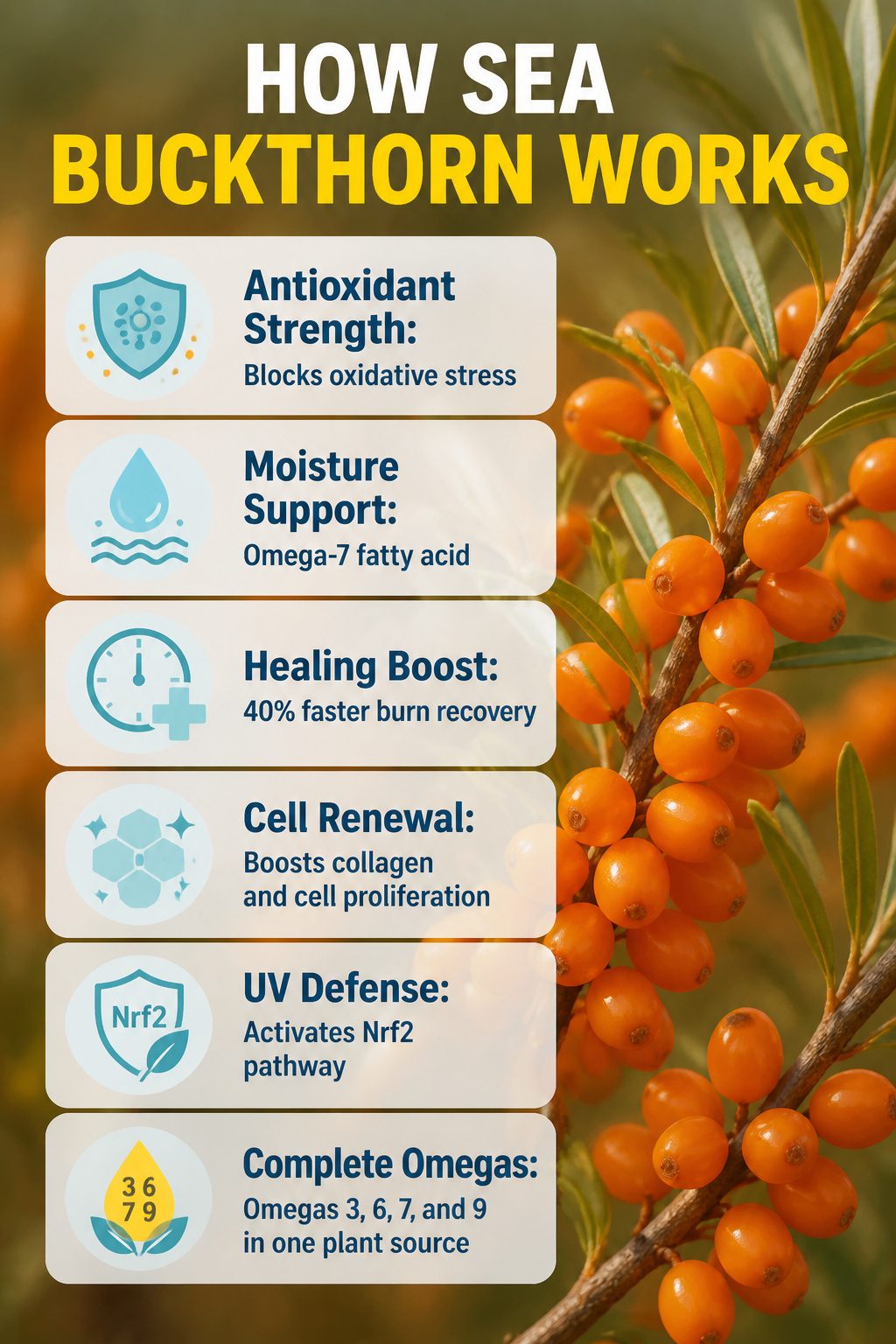
The antioxidant load in sea buckthorn works at the cell level by interrupting oxidative stress before it can damage endothelium, the thin membrane that lines blood vessels. That same stress pathway feeds into cardiovascular disease progression, so blocking it early matters for long-term heart health. What struck me, reading through the breakdowns, was how direct the mechanism is: the berry’s bioactive compounds neutralize peroxides rather than merely slowing them down.
On the skin side, the fatty acid profile does the heavy lifting. Palmitoleic acid, an omega-7 fat naturally present in human skin, supports moisture balance and tissue repair. Sea buckthorn oil also carries omega-3 and omega-6 fatty acids, including linoleic acid and gamma linolenic acid, which reduce inflammation in conditions like acne and psoriasis. The oil activates Nrf2, a cellular pathway that counters UV-induced oxidative imbalance, and clinical evidence shows a 40% sea buckthorn cream shortened second-degree burn healing time by approximately five days compared to standard silver sulfadiazine treatment. Collagen formation and cell proliferation get a measurable boost from the phytochemicals, reflected in increased hydroxyproline and protein content. The four omega fatty acids present, omegas 3, 6, 7, and 9, make this one of the only plant sources to deliver the complete set.
What the Research Actually Shows
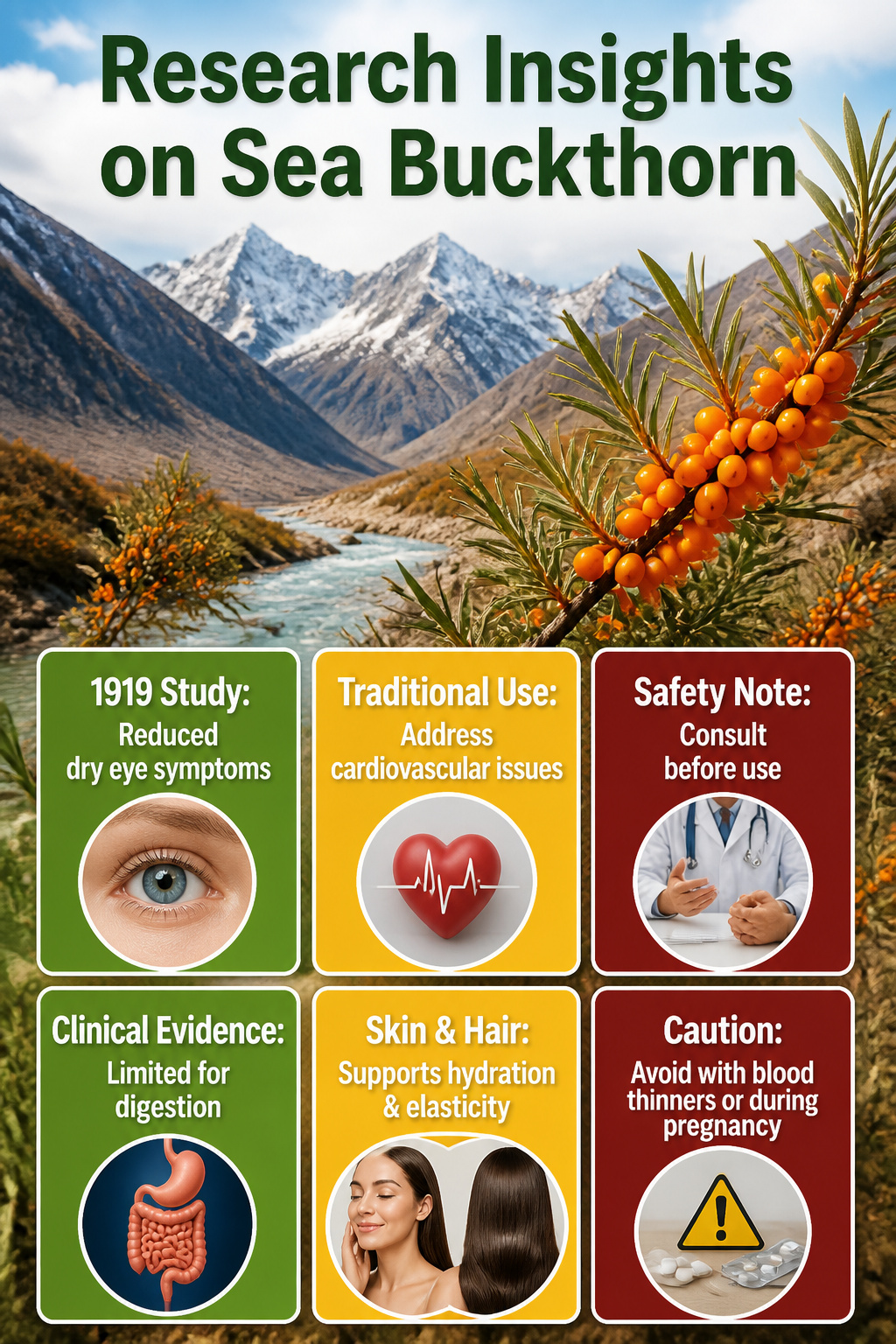
The clinical picture for sea buckthorn is still coming into focus. A 2019 study tied daily intake to reduced eye redness and burning in people with dry eyes. Other trials suggest it may ease vaginal dryness during menopause, particularly for women who cannot take estrogen. For digestive health, early work indicates it could lower gastrointestinal inflammation and help prevent stomach ulcers, though the human data remains thin.
What gives me pause is the gap between traditional use and proof. Sea buckthorn has been pressed into service for cardiometabolic and digestive complaints across the Himalayas for generations, but modern validation leans heavily on lab studies and a small pool of clinical trials. The berry’s mix of flavonoids and omega fatty acids, including the rare omega-7 palmitoleic acid, shows real biochemical promise. Whether that promise reliably translates into outcomes most people would notice is still an open question.
Sea buckthorn is generally considered safe for external and internal use and has minimal side effects. That said, a small percentage of people may experience side effects when taking sea buckthorn. This supplement may interact with certain medications, especially blood pressure and blood clotting medications.
— WebMD
The bleeding risk alone means anyone on blood thinners or pressure medication needs their doctor in the loop before trying it. The same caution applies during pregnancy or nursing, where safety data simply does not exist yet.
For skin and hair, the evidence is more cosmetic than clinical. Lecithin content may help remove excess oil from hair, and the fatty acid profile supports hydration and elasticity in skin formulations. These are reasonable, modest claims, not transformations. The honest read is that sea buckthorn delivers some confirmed benefits, several plausible ones, and a longer list of traditional uses still awaiting rigorous testing.
Traditional Uses

Bright orange sea buckthorn berries have been called "cold desert gold" across the Himalayas, where traditional medicine used them for digestive and cardiometabolic ailments long before anyone isolated the flavonoids inside. That Himalayan use lines up with what modern studies are now testing: whether the same berry traditions hold up in controlled trials for gut and heart health. In parts of Europe and Central Asia, the whole berry went into remedies rather than extracted oils, a difference that matters because most clinical work today still focuses on oil supplements while the older preparations used the fruit, leaves, and seeds together. The traditional dose range in human studies runs around 28 grams per day of berry or 5 grams per day of oil, figures that come from the same research trying to validate what mountain healers prescribed by observation. Ethnopharmacological evidence, the record of what communities actually used and noticed, is what underpins most of these historical claims; modern validation is still catching up, with only a limited number of clinical trials completed so far.
Safety and Dosage
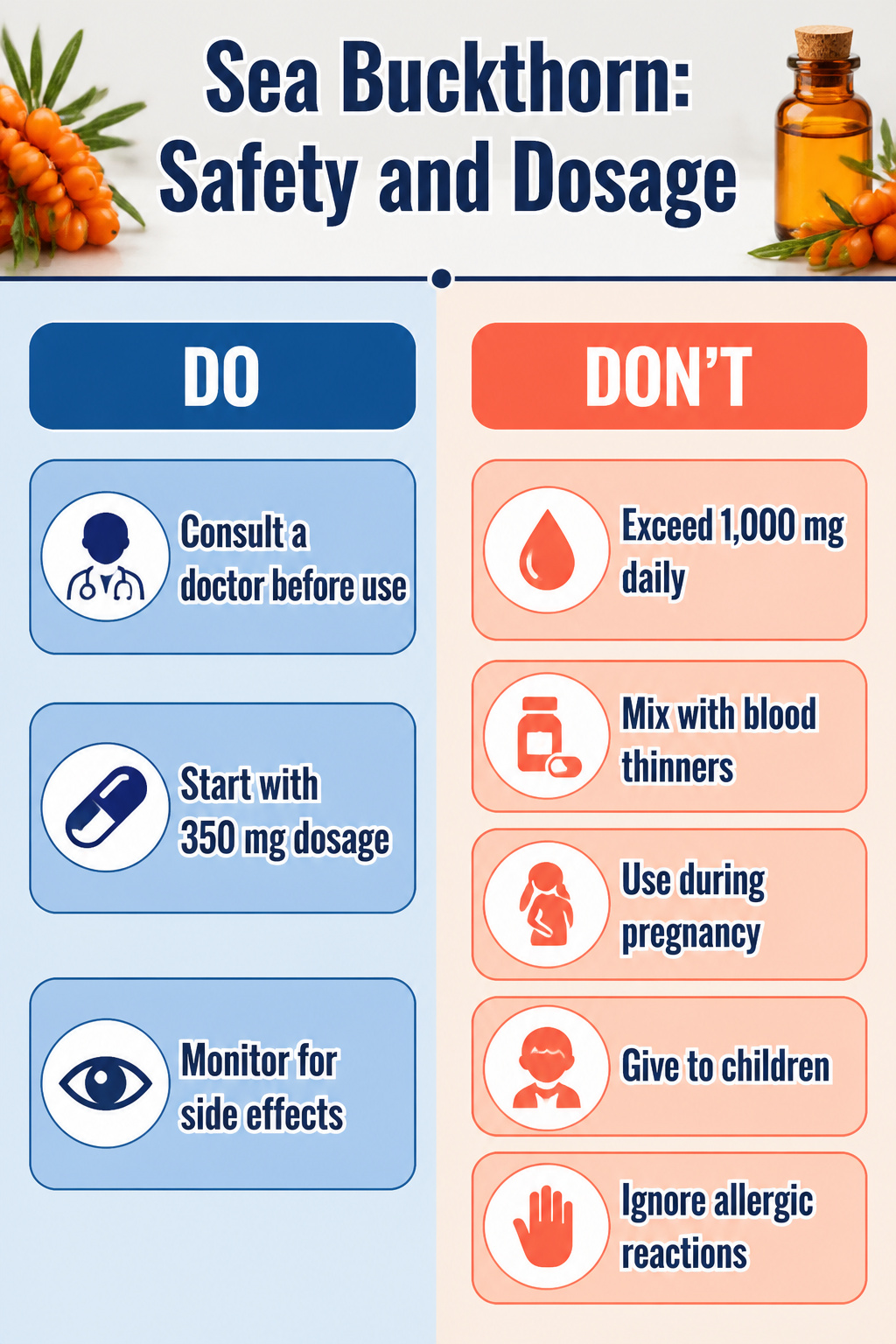
Sea buckthorn oil has been used for centuries and is generally considered safe, with side effects appearing rare. That said, a 2014 study found a few participants reported increased digestive symptoms and joint pain after three months of use. Animal studies show no evidence of toxicity in short-term use, but human safety studies are still lacking, making it difficult to draw strong conclusions about safe dosages or durations.
There is no established recommended dosage for sea buckthorn oil or fruit. Supplements are not standardized and typically range from 350 mg to 1,000 mg of sea buckthorn oil in capsule form, or about 15 grams of extract daily. Because of this lack of standardization, talking to a doctor about whether sea buckthorn is appropriate and what amount to take is the practical move.
The supplement may interact with blood pressure and blood-clotting medications, potentially thinning the blood and increasing bleeding or clotting risks. Sensitivity to the Elaeagnaceae plant family can also trigger allergic reactions. For pregnant or nursing women, children, or anyone on medications, the safety research simply does not exist yet. If unexplained symptoms show up after taking sea buckthorn orally or applying it to skin, stopping use and speaking with a healthcare professional is the right call.
Frequently Asked Questions
What are the health benefits of sea buckthorn?
Sea buckthorn supports cardiovascular health through flavonoids and omega fatty acids, particularly omega-7, which help lower blood pressure and LDL cholesterol. It aids skin repair, with a 40% sea buckthorn cream shortening second-degree burn healing by roughly five days. The berry also shows promise for liver function, blood sugar regulation, dry eye relief, and immune support, though human clinical trials remain limited for several of these uses.
Is sea buckthorn safe to use?
Sea buckthorn is generally considered safe for most people, with rare side effects. A 2014 study found a few participants reported digestive symptoms and joint pain after three months of use. It may interact with blood pressure and blood-clotting medications, potentially increasing bleeding risk, and safety data does not exist for pregnancy, nursing, or children.
How should I take sea buckthorn?
There is no established standardized dosage. Supplements typically range from 350 mg to 1,000 mg of sea buckthorn oil in capsule form, or about 15 grams of extract daily. For specific conditions, studies have used varied amounts: 0.75 mL of oil daily for blood pressure, 15 grams three times daily for cirrhosis, and 3 ounces of puree daily for blood sugar. Talk to a doctor before starting, especially if you take medications.