
Your liver already detoxifies itself around the clock through over 500 built-in functions, and no tea or supplement improves on that process. The catch is that alcohol, excess weight, and viral infections can overwhelm this system faster than it regenerates. Losing just 5% of your body weight measurably reduces liver fat, while 10% starts to reverse actual inflammation and scarring.
What Your Liver Actually Does
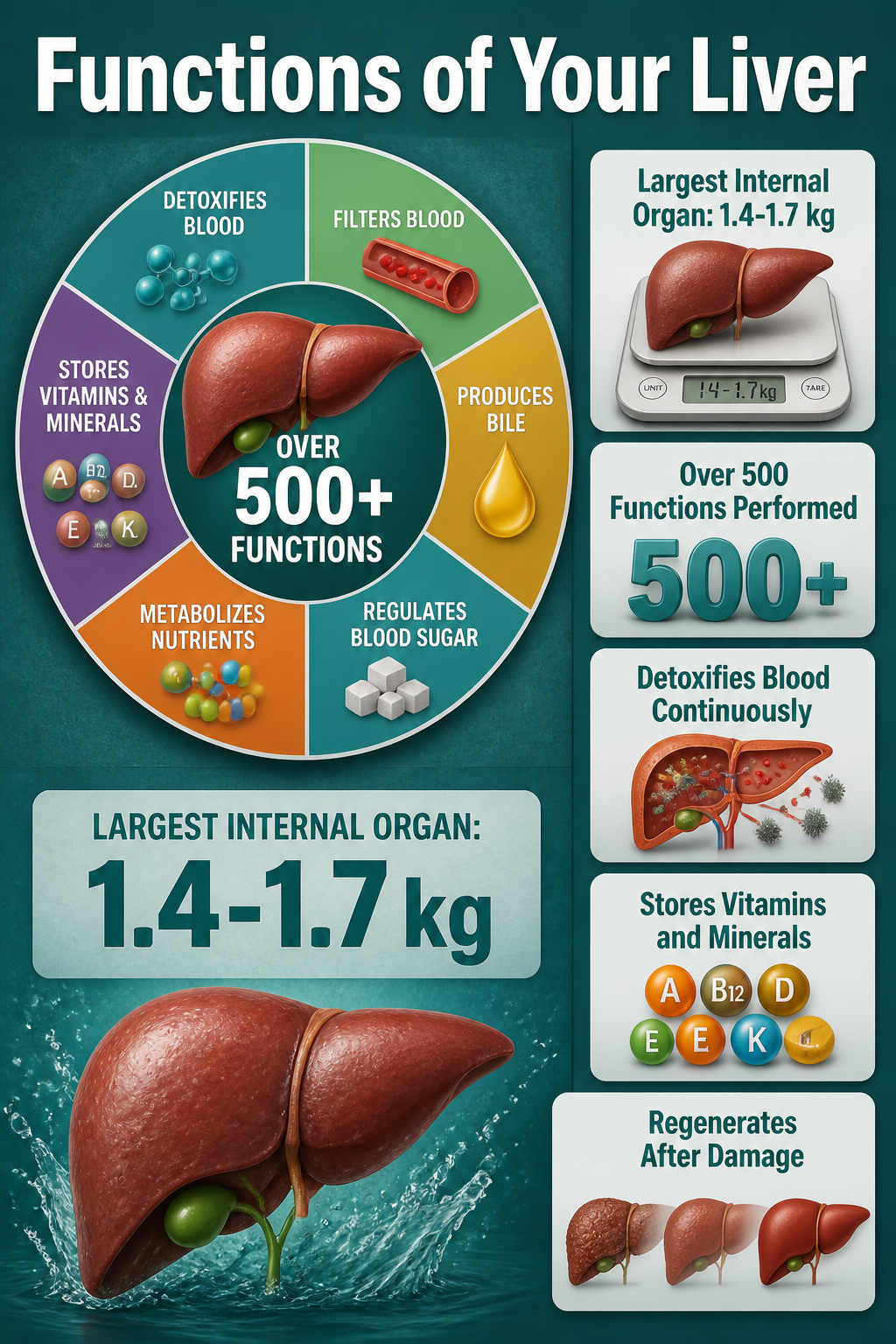
The liver is the largest internal organ in the body, weighing between 1.4 and 1.7 kg, and it performs over 500 functions without any help from teas, supplements, or special diets. Blood from the digestive tract flows through it first, and the liver filters out toxins, medications, and waste products before they can reach the rest of the body. It produces bile to break down fats, metabolizes carbohydrates and proteins into usable forms, and stores vitamins A, B12, D, E, and K along with minerals like iron and copper. Blood sugar regulation happens here too: the liver stores excess glucose as glycogen and releases it back into the bloodstream when levels drop.
What convinced me, reading through the medical sources on this, is how completely the liver handles detoxification on its own. Enzymes in liver cells convert harmful compounds into less dangerous ones that the body can excrete. The organ even regenerates after damage, regrowing after up to 90% has been removed. Unless disease or injury has occurred, the liver does not need external assistance to cleanse itself.
What Damages Your Liver
Alcohol sits at the top of the list for what actually harms your liver. Men who keep to no more than three drinks per day and women who stay at two or fewer put themselves on safer ground; go past that routinely and the risk of alcoholic liver disease climbs fast. Obesity works differently but ends in the same trouble: extra body fat deposits directly in the liver, triggering inflammation that can scar the organ over time. The American Liver Foundation puts hard numbers to what weight change can do:
Data has shown that just a 5% weight loss can reduce the fat that can accumulate in your liver. However, hitting a 7% weight loss goal will not only reduce the fat accumulation but can also start to reverse steatotic liver disease. Taking it a step further, a 10% weight loss or greater can resolve inflammation and potentially improve some scarring in the liver.
That 5% threshold is the first real milestone, though 10% is where you start undoing damage rather than merely slowing it. Viral infections, hepatitis B and C in particular, attack liver tissue directly; unprotected sex with multiple partners and illicit drug use are the main routes of infection to avoid. Certain medications, including some common over-the-counter drugs taken too long or at too high a dose, stress the liver as well. The organ has no pain receptors, so none of this announces itself early; by the time you feel off, the damage is usually well underway.
The Truth About Detox Diets
The liver filters blood and produces bile around the clock, breaking down alcohol, medications, chemicals, and natural waste products without any special drink or pill to prompt it. Most people who search for ways to cleanse their liver are answering a question the body already solved.
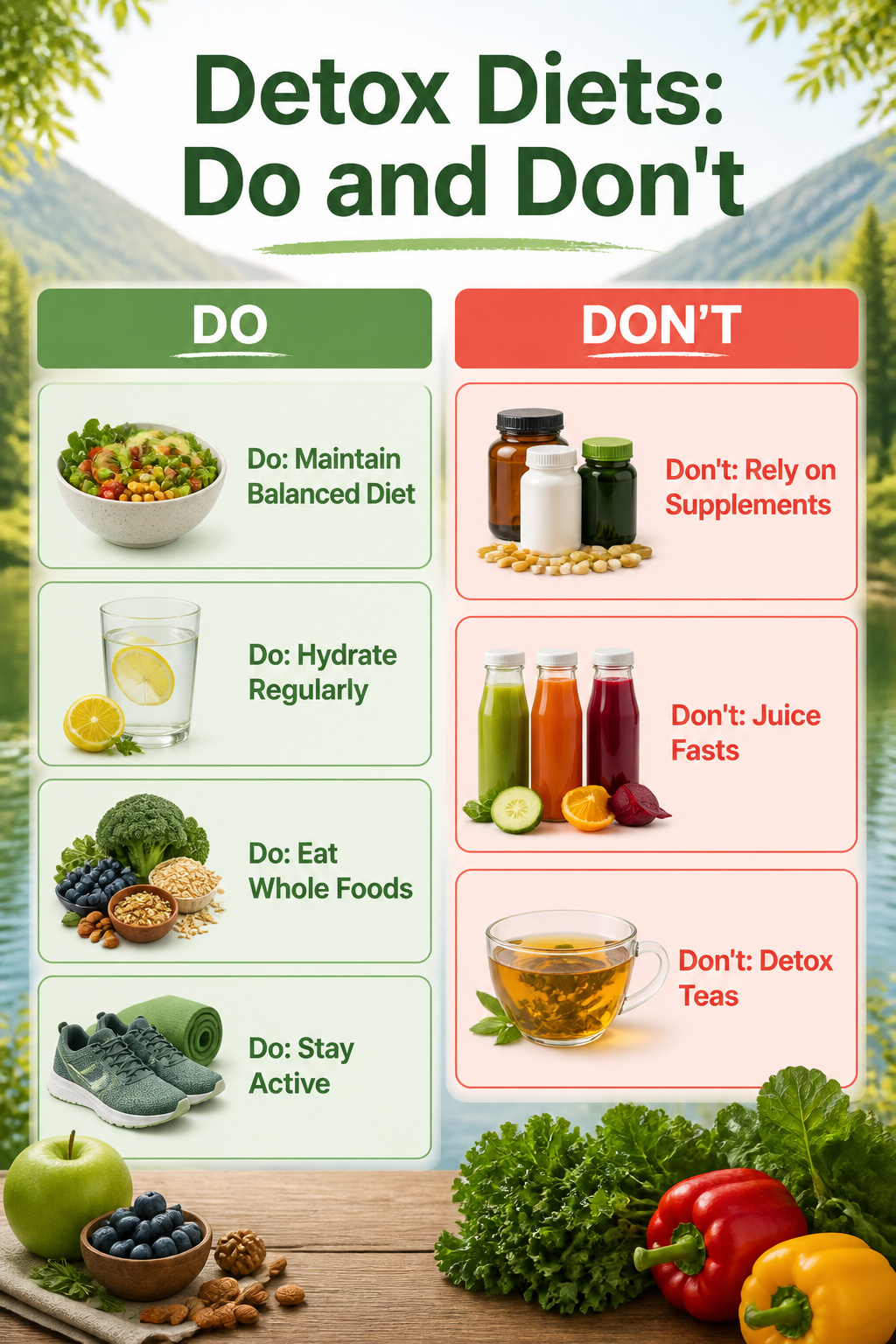
Lemon water does not detox the liver, though the hydration and modest vitamin C are real enough. The same goes for milk thistle, turmeric extract, apple cider vinegar, and the rest of the cleanse aisle. Some ingredients show promise in early research; milk thistle has been shown to decrease liver inflammation, and turmeric extract may protect against liver injury. But no clinical trial data in humans supports routine use for prevention, and the FDA does not regulate these products for uniformity or safety.
The marketed cleanses carry actual downsides. Juice fasts and restrictive diets can create nutrient deficiencies and electrolyte imbalances. The liver does not need a reset after overindulgence; it needs less of the burden in the first place. Skip the supplements and put the money toward groceries that do not arrive in a bottle promising transformation.
Foods That Support Liver Health
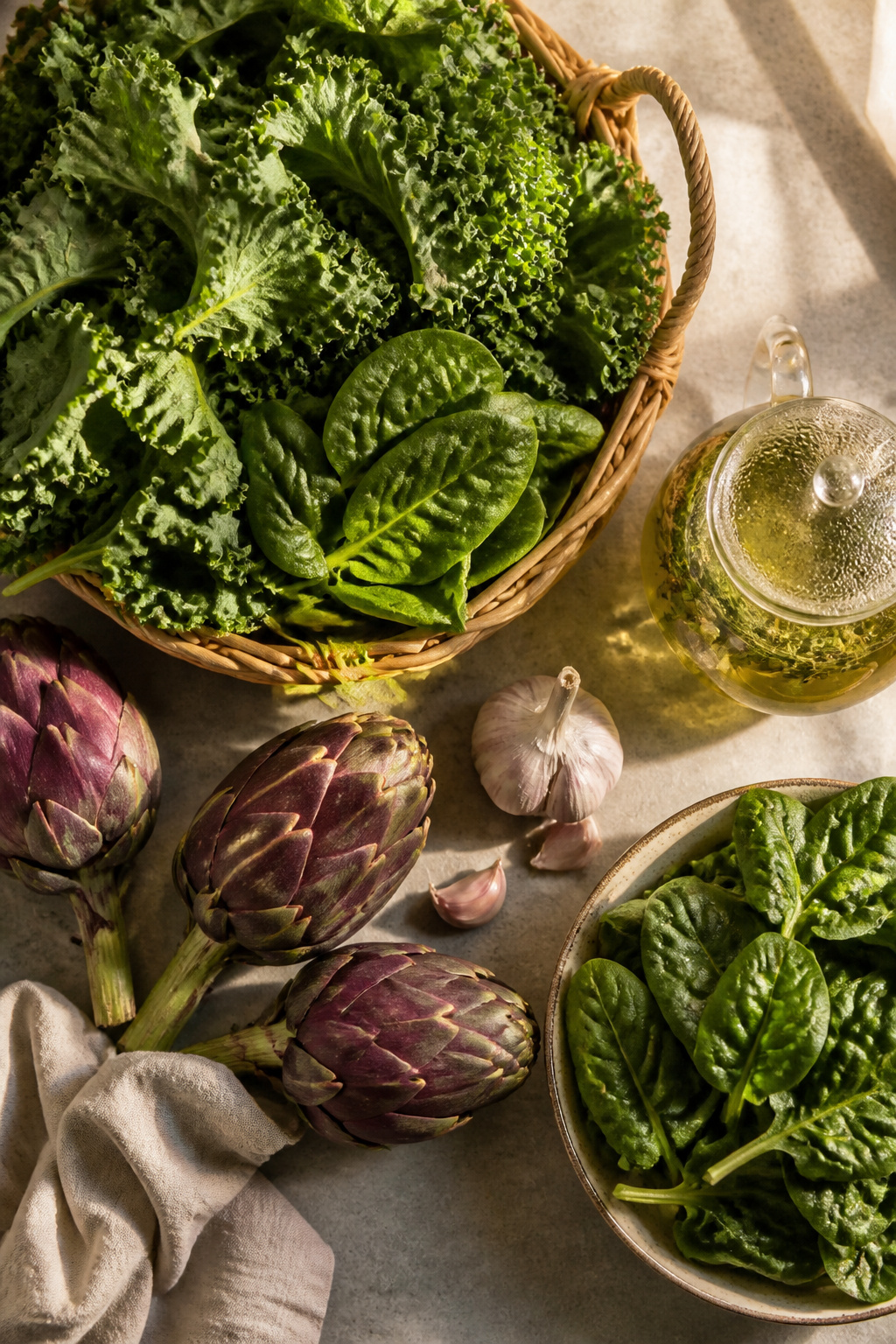
Garlic sits on my counter most weeks because it does something real for the liver, not because it performs magic. The sulfur compounds in it, allicin and diallyl disulfide among them, activate enzymes that move toxins out of the body, and the selenium content supports the same detox pathways. Artichokes work on a different front: they increase bile production, which helps the liver process fats rather than store them. Green tea’s catechins reduce oxidative stress and lipid buildup in the liver, though the research on quantities is something to discuss with a provider before treating it like medicine. Leafy greens bring chlorophyll, which helps neutralize heavy metals and other compounds the liver filters.
These four foods keep showing up in studies for a reason, but the actual recommendation is broader. A balanced diet built around fruits, vegetables, lean proteins, and healthy fats supports normal liver function in ways no single ingredient can match. The liver does not need to be cleansed; it needs consistent fuel to do its own job.
How to Actually Improve Liver Health
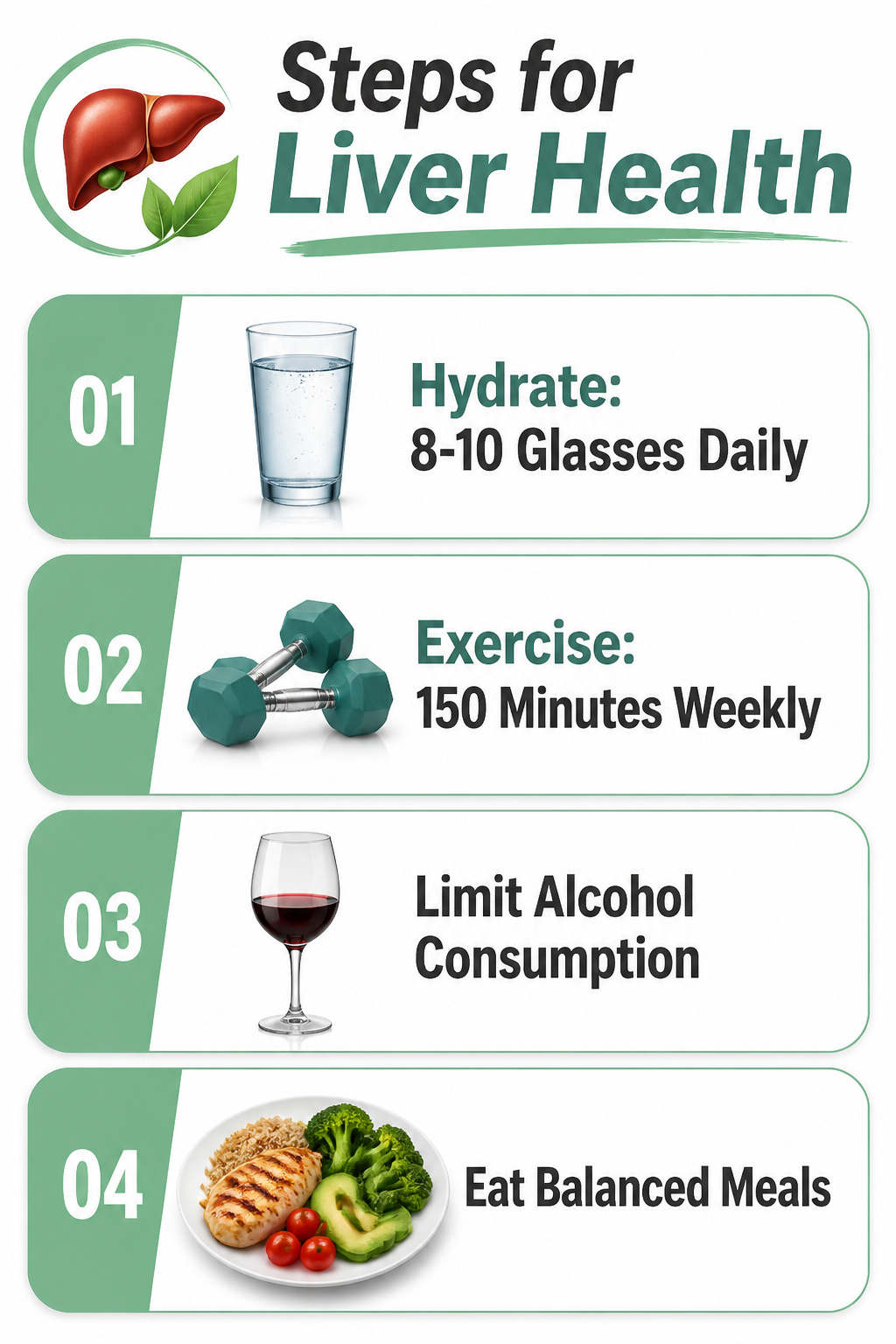
A real liver reset happens in the habits that stick, not in a weekend of lemon water. Losing 5% of your body weight measurably reduces liver fat; push that to 10% and you start resolving inflammation. Those numbers convinced me to stop chasing quick fixes and look at what actually changes the organ’s workload.
Water is the simplest lever. I aim for 8 to 10 glasses daily, about 64 to 80 ounces. The math shifts with activity level, but that range gives the liver enough fluid to move waste without drowning your schedule in refills.
Exercise works the same way: 150 minutes of moderate activity weekly, which breaks down to roughly 30 minutes most days. Physical activity improves insulin sensitivity and blood flow, two processes the liver depends on to function properly. I treat it like a non-negotiable appointment rather than something to squeeze in.
Alcohol is where I draw the hardest line. The liver processes it first and everything else second; even moderate drinking redirects resources the organ needs for filtering, metabolizing, and storing nutrients. For me, that means keeping it to an occasional glass and never two nights in a row.
The diet side is less dramatic than detox marketing suggests. Half the plate as non-starchy vegetables, lean proteins, whole grains, and fats from fish, nuts, or olive oil. Red meat, butter, and packaged foods with trans fats get limited to about a palm-sized portion when they appear at all. Nothing is banned, but the proportions matter more than any single "cleanse" ingredient.
Signs Your Liver Needs Attention
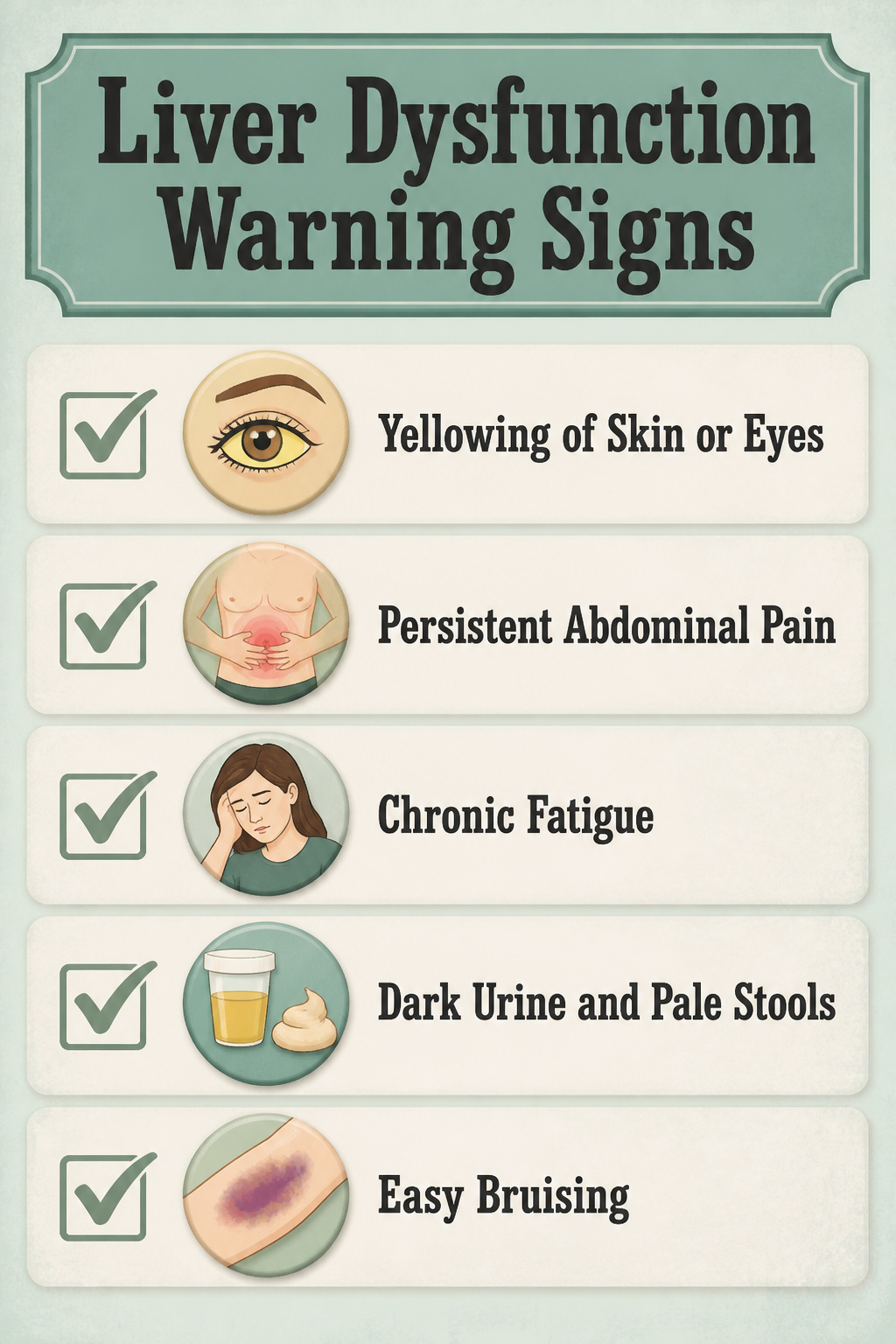
Real symptoms of liver dysfunction are different from the vague "detox signs" printed on cleanse packaging. The Mayo Clinic lists these as the actual warning signs:
- Yellowing of the skin or eyes (jaundice), which points to bilirubin buildup the liver can no longer process
- Persistent abdominal pain and swelling, sometimes with swelling in the legs and ankles
- Chronic fatigue that rest does not resolve, plus nausea, vomiting, or loss of appetite
- Dark urine, pale stools, or itchy skin from bile salt accumulation
- Easy bruising, which can signal the liver has stopped producing enough clotting factors
These symptoms develop gradually. The liver can function normally even when damaged, so problems often go unnoticed until they are advanced. That delayed appearance is exactly why they matter.
What they are not: the bloating, headaches, or low energy that cleanse marketers call "toxins leaving the body." Those are side effects of starvation, laxatives, or unregulated herbal ingredients. The liver does not store toxins waiting to be flushed; it processes and eliminates them continuously through urine and bile.
If you notice the symptoms above, see a doctor. Liver disease can be genetic, viral, or linked to obesity and alcohol use, and only blood work and imaging can sort out the cause. A purchased cleanse will not diagnose it and, if it contains extreme ingredients or deprives you of nutrients, can make underlying conditions worse.
Prevention and Screening
Regular screenings catch liver disease before it announces itself. Bloodwork and imaging can spot fatty changes, hepatitis, or enzyme spikes while you still feel fine, and that early window is when intervention actually changes the outcome. The same habits that protect the liver also reveal whether you need a doctor’s eye on the numbers.
Alcohol limits and weight management, covered earlier, are not separate topics from screening. They are the reasons to screen. Men keeping to three drinks daily and women to two lower their odds of alcoholic liver disease, but anyone with a family history of liver disease or a pattern of heavier use should talk to a physician about whether hepatitis C testing makes sense, since nearly half of those infected do not know it. Weight kept in a normal BMI range, 18 to 25, steers you away from metabolic dysfunction-associated steatotic liver disease, yet a rising waistline or prediabetes still warrants checking liver enzymes.
Risky behaviors belong in the same conversation. Unprotected sex with multiple partners or any illicit drug use raises hepatitis exposure, and vaccination against hepatitis where available closes another door. The line between lifestyle change and medical visit is not blurry: persistent fatigue, jaundice, or abdominal swelling means a doctor now, not a diet tweak next month. For everyone else, the schedule is the annual physical with liver panel, and honest answers when the physician asks about alcohol and family history.
What Herbal Supplements Risk
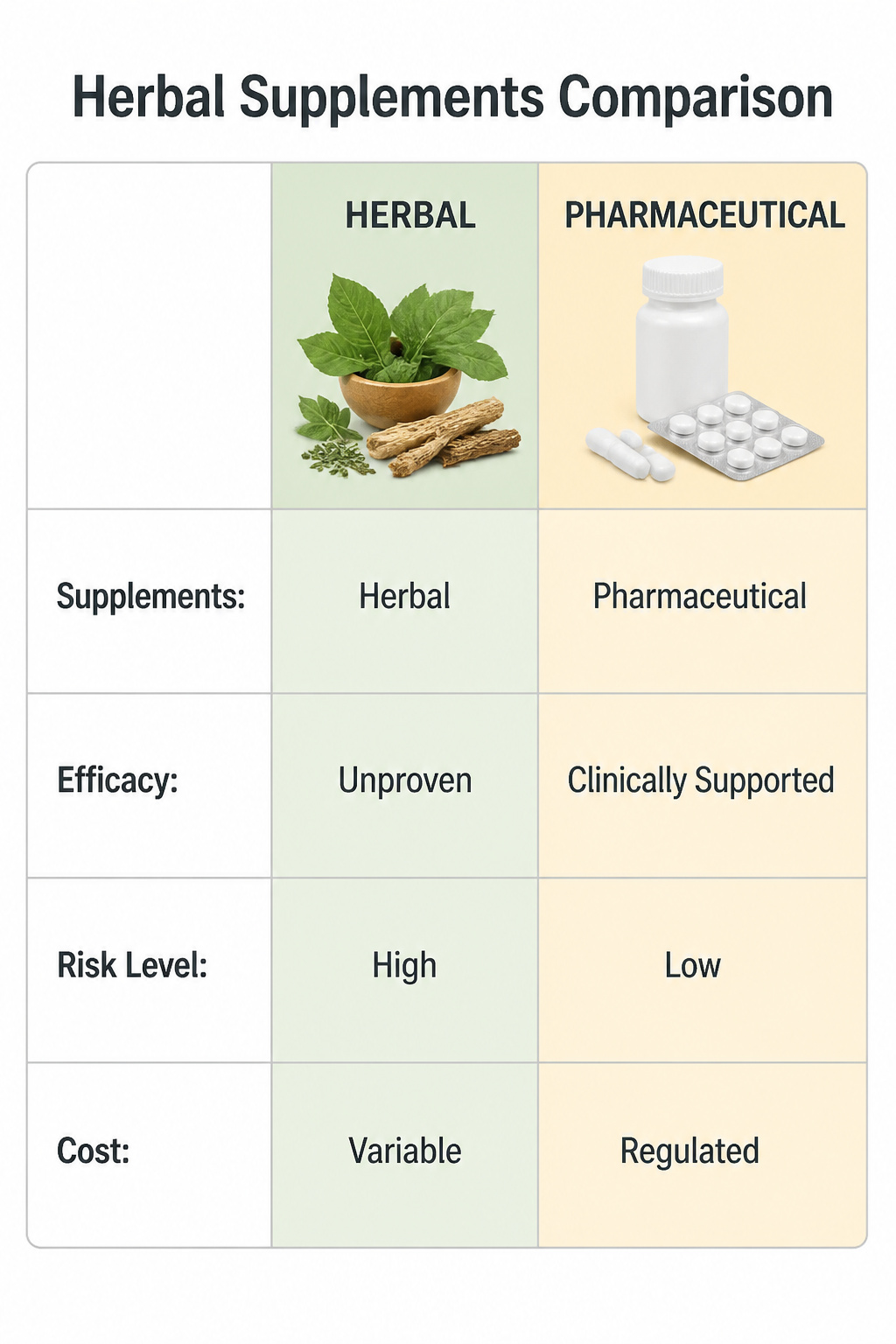
A substantial proportion of drug-induced liver injury cases are attributed to herbal and traditional medicine products, and the risk is real. "Natural" does not mean liver-safe. Taking an unprescribed supplement may cause harm to your liver and put more strain on it rather than relieving it.
The products sold for liver detoxification are often the same ones marketed as weight loss cleanses, yet there are no clinical data supporting their efficacy for either purpose. Some dietary supplements can actually cause drug-induced injury and should be used with caution.
Herbal products can interact with medications, and the risk climbs higher when ingredients are unclear. For this reason, supplements should not be used without the supervision of a physician. Before taking any liver supplement, including Ayurvedic products, consult a gastroenterologist.
Frequently Asked Questions
Do liver cleanses really work?
No. Your liver already filters toxins continuously through urine and bile without any special drink, pill, or diet to prompt it. The organ performs over 500 functions on its own and regenerates after damage; marketed cleanses lack FDA approval and scientific backing, and some can actually harm you through nutrient deprivation or unregulated herbal ingredients.
How can I improve my liver health?
Lose 5% of your body weight to measurably reduce liver fat, or 10% to start resolving inflammation. Drink 64 to 80 ounces of water daily, get 150 minutes of moderate exercise weekly, and keep alcohol to occasional use rather than consecutive days. Build meals around half non-starchy vegetables plus lean proteins, whole grains, and fats from fish, nuts, or olive oil.
What foods are good for liver health?
Garlic activates enzymes that move toxins out; artichokes increase bile production to process fats; green tea catechins reduce oxidative stress; and leafy greens deliver chlorophyll that helps neutralize heavy metals. No single ingredient replaces a balanced diet built around fruits, vegetables, lean proteins, and healthy fats.
What are the signs your liver needs attention?
True warning signs include yellowing skin or eyes from bilirubin buildup, persistent abdominal pain and swelling, chronic fatigue, dark urine or pale stools, and easy bruising from low clotting factors. Bloating, headaches, or low energy from cleanse products are side effects of starvation or laxatives, not toxins leaving the body.
Can drinking lemon water detox my liver?
Lemon water does not detox the liver, though it stimulates bile production, provides vitamin C, promotes hydration, and may reduce appetite for sugary drinks. The hydration and modest vitamin C are real benefits; the detox claim is not.